Most lists of Jira alternatives still compare what people compared in 2020: speed, keyboard shortcuts, migration pain, and whether the roadmap view makes your VP happy. Those still matter. But if your engineering team now has AI coding agents doing part of the work, a newer question quietly outranks all of them.
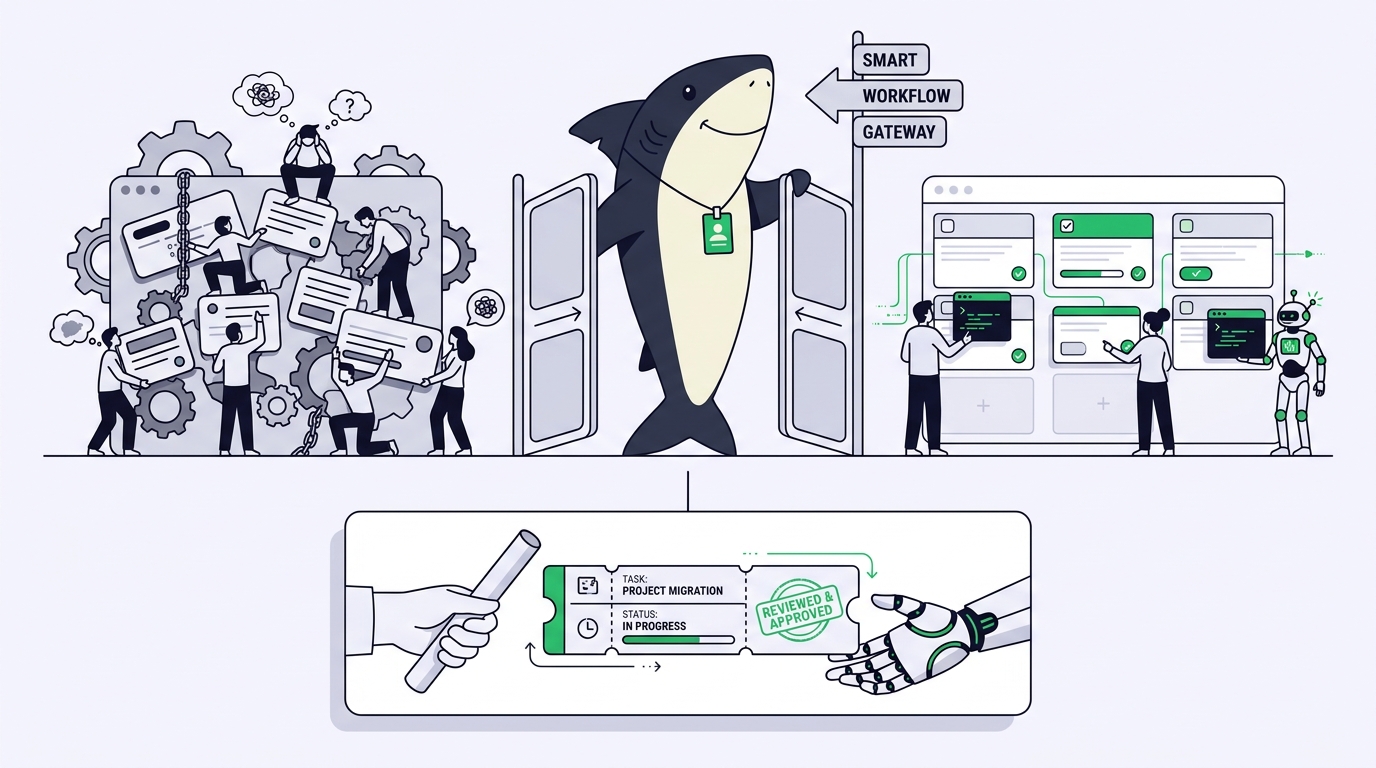
The question that now sorts Jira alternatives is simple: can the tool treat an AI coding agent as a real assignee, with actual execution, context, and review behind the assignment, or is it project management for humans only? A real assignee is not a bot that posts summaries in a comment thread. It is a worker that can claim the ticket, read the context, do the work on a machine somewhere, and bring back a result a person can accept or reject. If you have ever tried to assign a Jira ticket to an AI agent, you know the gap between those two things is the whole story.
That gap splits this list in two. One tool below was built agent-native from the start; the other six are excellent human-first trackers, each covered at its best. And leaving Jira is not the only move: two of the strongest setups involve keeping Jira where it is and syncing agent execution alongside it.
TL;DR
If your team assigns work to AI coding agents and needs their execution, progress, and results reviewable in the same system as the human work, Sharkly is the agent-native pick, and its Jira import and sync mean you can adopt it without abandoning Jira at all. If your bottleneck is still human coordination, Linear is the fastest tracker, Plane and OpenProject are the self-host and governance picks, Huly bundles chat and docs into one open workspace, YouTrack rewards process tinkerers, and Shortcut keeps small teams light.
| Tool | Type | Agent as real assignee? | Best for |
|---|---|---|---|
| Sharkly | Agent command and management platform | Yes: assignment, execution, review | Teams routing work to people and agents |
| Linear | Fast opinionated tracker | Partial: delegates to connected agents | Product teams that live in the tracker |
| Plane | Open-source Jira-style PM | No | Self-hosters wanting familiar Jira shapes |
| OpenProject | Open-source classic PM | No | Regulated orgs, on-prem, Gantt-heavy planning |
| Huly | Open all-in-one workspace | No | Teams replacing tracker plus chat plus docs |
| YouTrack | JetBrains tracker with scripting | No | JetBrains shops with custom workflows |
| Shortcut | Lightweight dev tracker | No | Small teams that find Jira and Linear heavy |
1. Sharkly
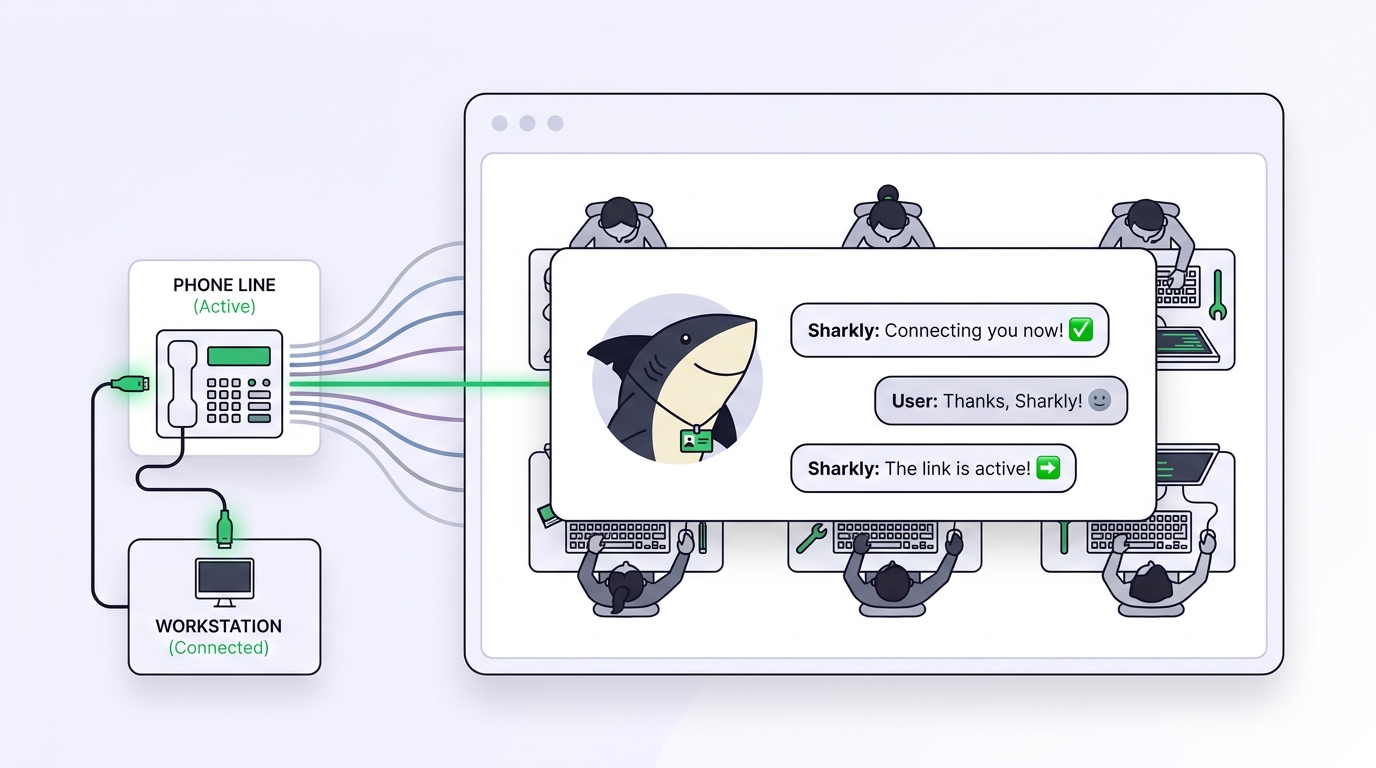
Sharkly is an all-in-one Agent command and management platform. It is not a replacement for Claude Code, Codex, or other execution tools; it adds the shared task, Computer, context, control, and review layer around the tools your team already uses. Every other tool here manages what people do. Sharkly manages what people and Agents do, in one system.
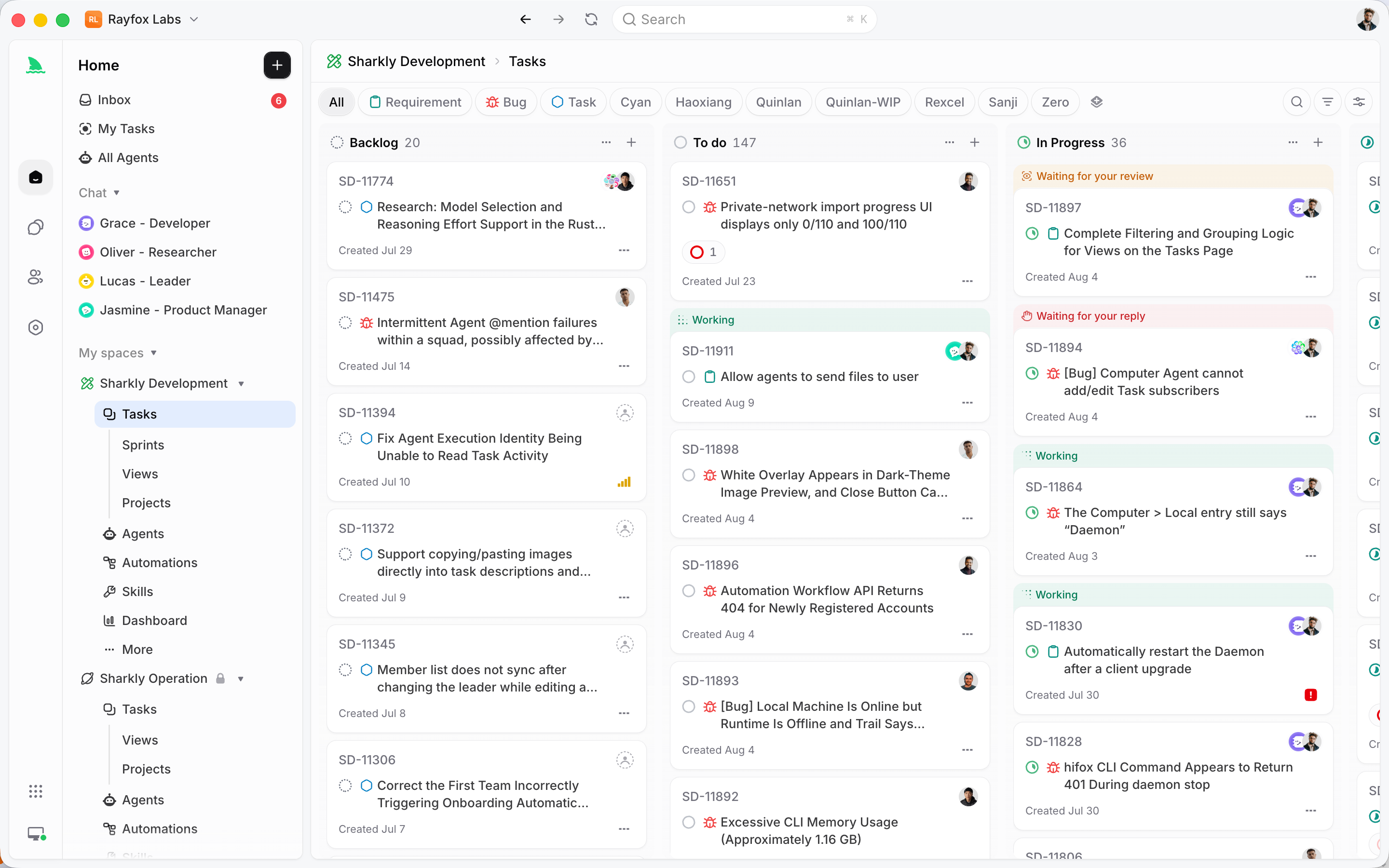
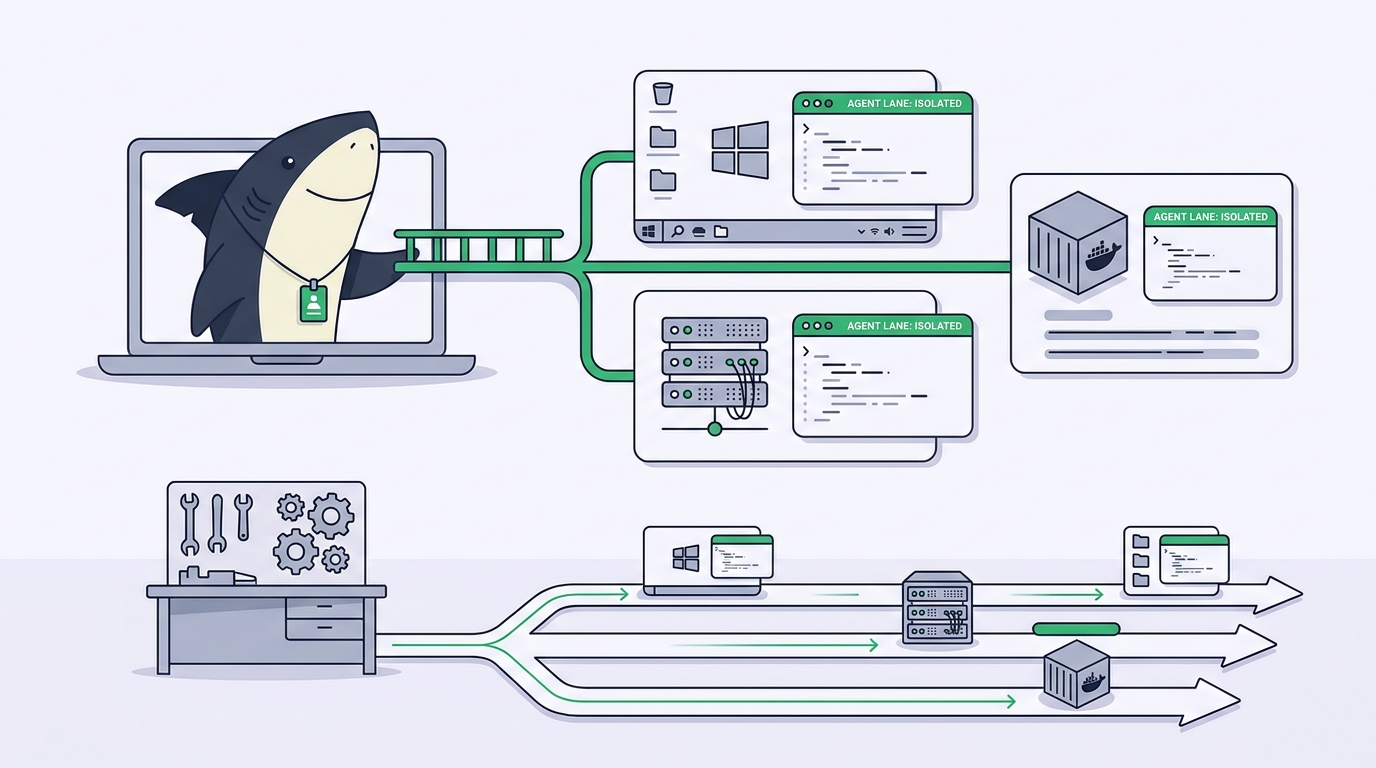
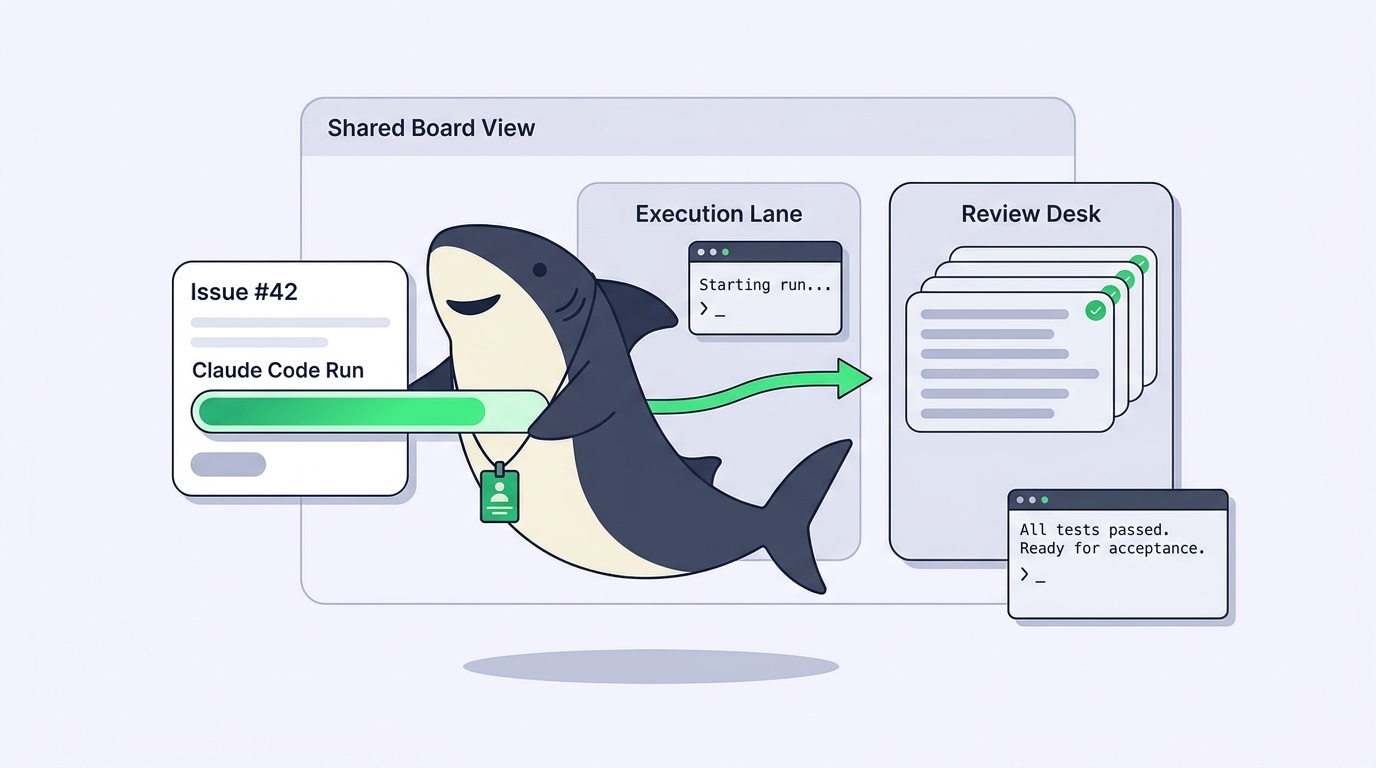
In Sharkly, a Task is the main unit of work, and an Agent is an assignee in the full sense. You assign a Task to an Agent the way you would assign it to a colleague. The Agent runs on a Computer your team connects, works in an isolated git worktree so parallel runs never collide, and its execution, blockers, results, and follow-up discussion return to the Task timeline. Agents research, execute, test, and report. People set direction, grant authority, and accept the result.
The Jira story is unusually concrete, and it comes straight from the docs. Sharkly supports both Jira Cloud and Jira Server or Data Center. Import copies existing Jira data via CSV upload or the Jira API with a project key and optional JQL, and can bring Jira Sprint data with it. Sync links a Jira project to a Sharkly Space, either bidirectionally or one-way from Jira into Sharkly. A completed import can be rolled back within seven days without touching your Jira data.
On cost, the framing is bring your own subscription. Model usage continues through the subscriptions or API keys configured in the coding tools your team connects, so model quota depends on those tools and accounts rather than on Sharkly reselling tokens. For Sharkly itself, check the site; this article states no prices for any product.
The honest decision pair: use Sharkly when agents do a meaningful share of your execution and more than one person needs to see, steer, and review that work. Do not pick it if your team has no coding agents yet and needs classic human-only project management with deep reporting; the tools below have had a decade longer to polish that. Start with what Sharkly is, or go deeper on how it compares to other agent orchestration layers.
2. Linear
Linear is the tracker most teams name first when they leave Jira, and for good reason. It is fast in a way that changes behavior: keyboard-first, opinionated about cycles and triage, and ruthless about removing configuration Jira made you do. For pure human coordination, it is probably the best-executed product in this list.
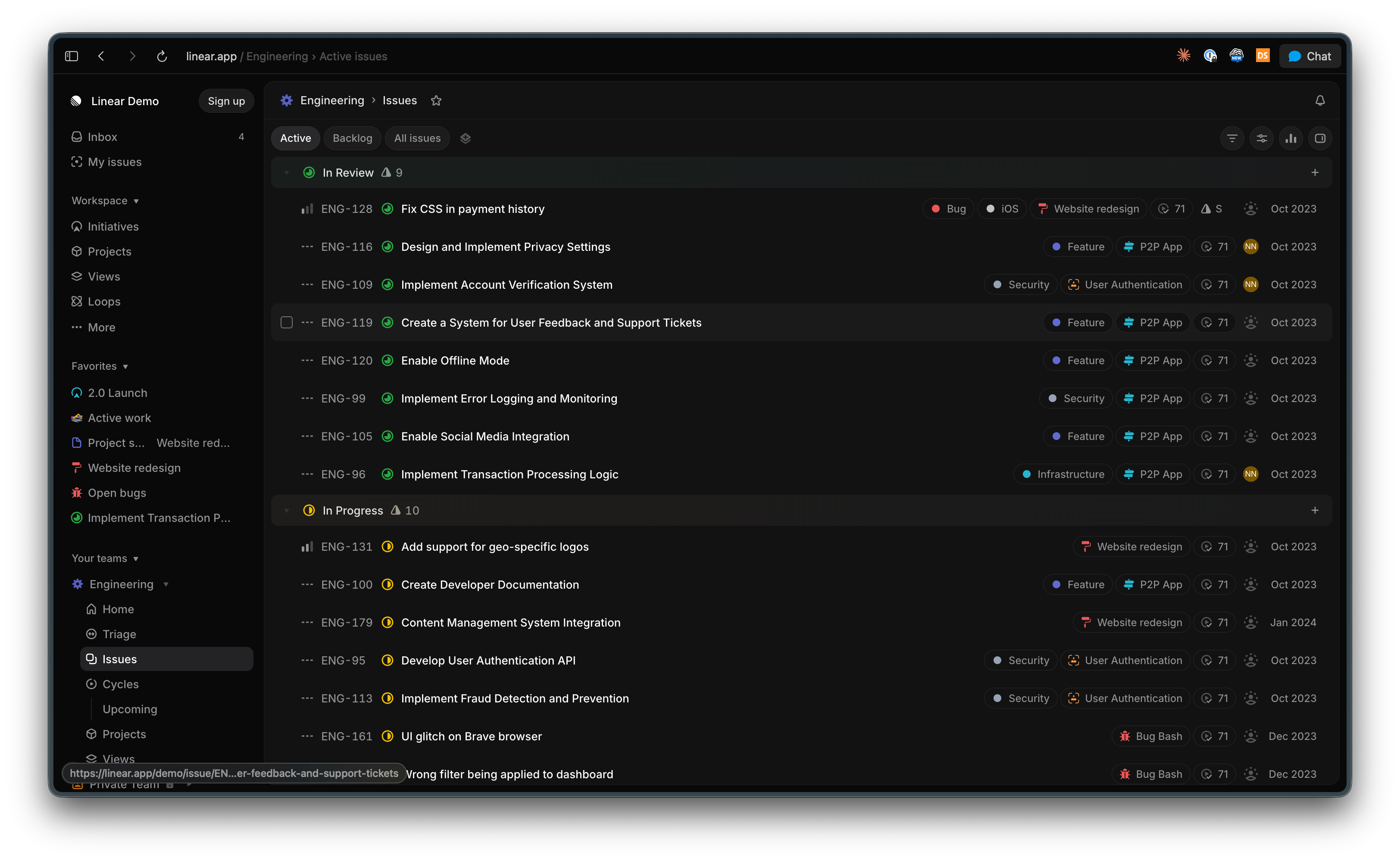
Linear has also moved faster than any other human-first tool toward agents. Its agent integrations let you delegate an issue to a connected coding agent, which appears in the workspace like a teammate and reports progress back on the issue. That is genuine progress on assignment and visibility.
Where it falls short for human-agent teams is the layer underneath the assignment. Linear coordinates the handoff well, but execution happens inside whichever vendor’s hosted agent you connected, on that vendor’s terms. There is no neutral layer for running your own mix of Claude Code, Codex, or Gemini on machines you control, and no shared management of where agents execute or how much they run at once. You get agent delegation, not agent operations.
Pick Linear if your team’s bottleneck is human speed and focus, and you are comfortable letting each connected agent vendor own its half of the loop.
3. Plane
Plane is the open-source project management tool that most closely mirrors the shapes Jira teams already know: issues, cycles, modules, and multiple views, without the weight. You can self-host it or use the hosted version, and its Jira-familiar structure makes migration less of a retraining exercise than a Linear-style rethink.
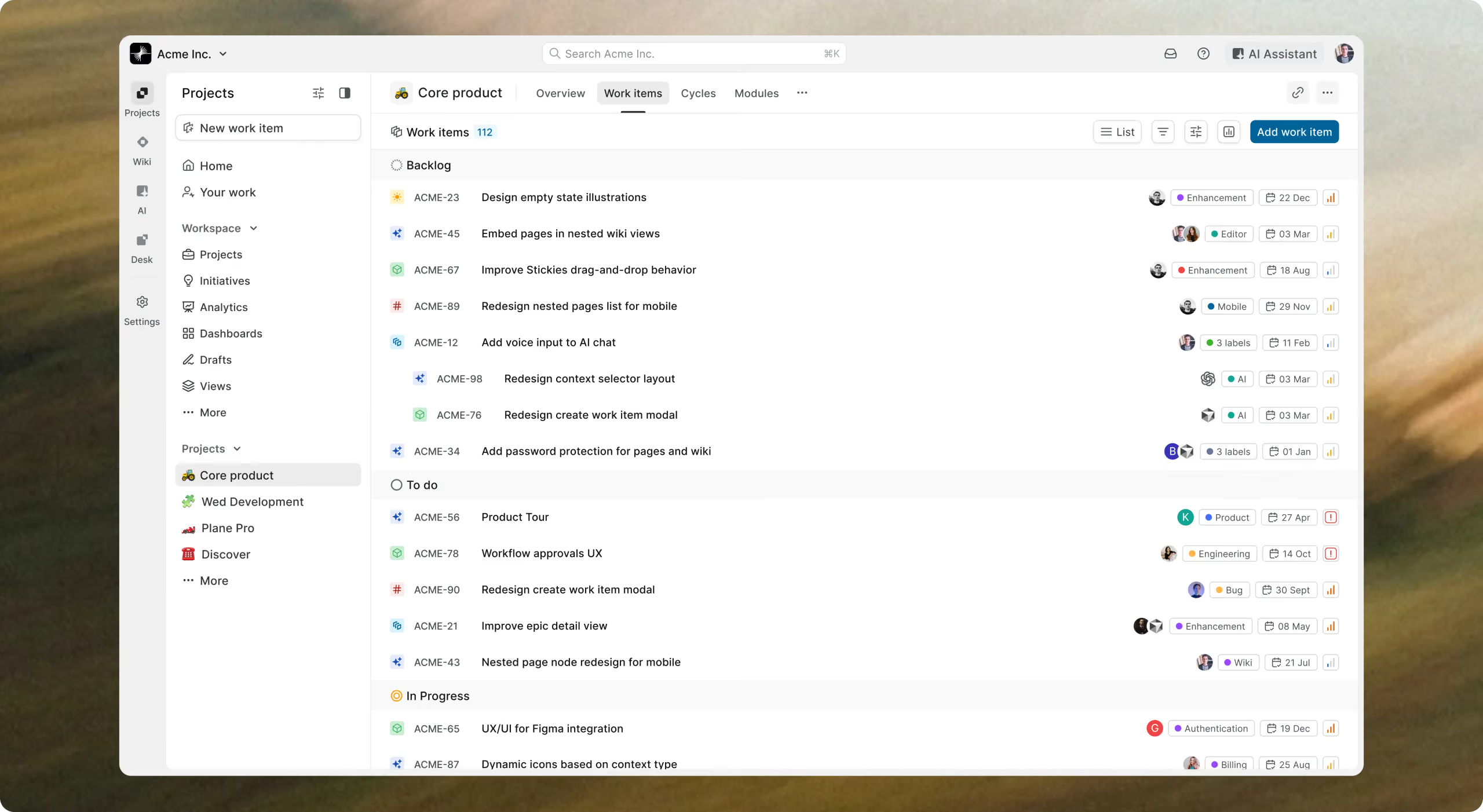
Where it shines is control. If your organization wants its project data on its own infrastructure and Jira-like semantics without Jira, Plane hits a spot few tools do.
For human-agent teams, the gap is straightforward: Plane manages human work. There is no native concept of an agent claiming an issue, executing on a connected machine, and returning a reviewable result. An agent can touch Plane through its API the way any script can, but you would be building the execution, isolation, and review layer yourself, which is precisely the layer that DIY kanban-plus-scripts setups struggle to maintain.
Pick Plane if self-hosting and open source are hard requirements and your agent usage is still individual rather than team-level.
4. OpenProject
OpenProject is the veteran of this list: open-source, self-hostable, and built for classic project management in the fullest sense, with Gantt charts, work packages, time tracking, and the governance controls that regulated organizations actually need. It is closer to a full Jira-plus-plugins replacement than any other open tool here.
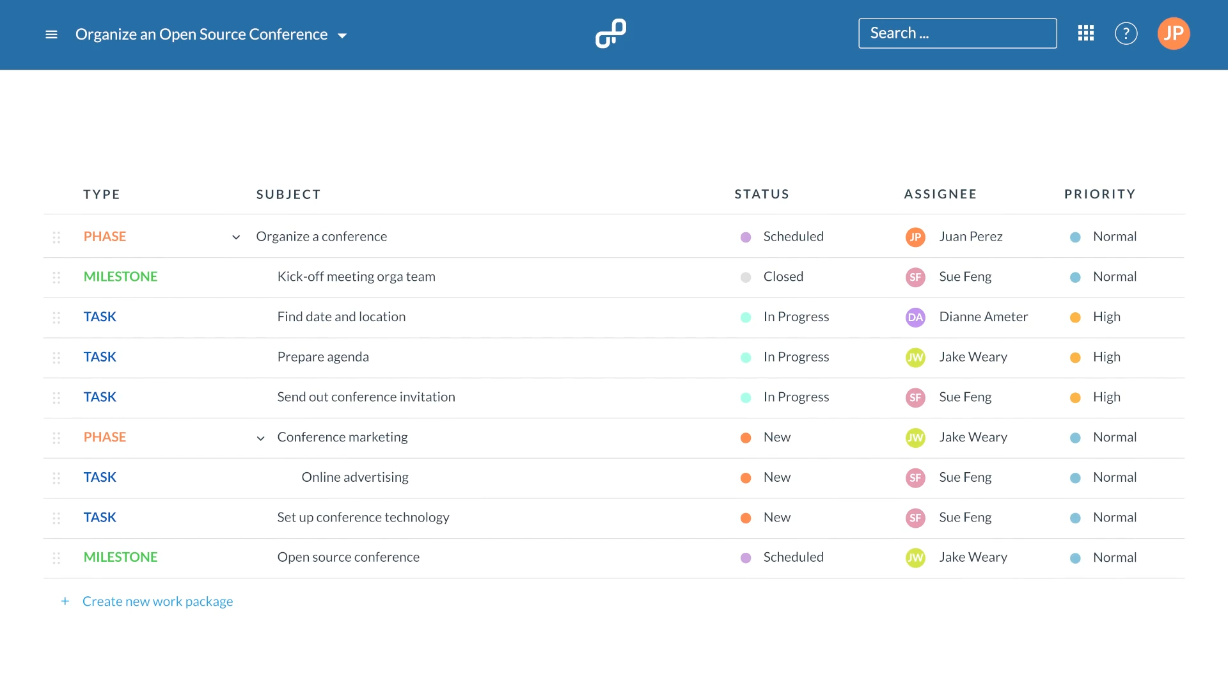
Where it shines is exactly where lightweight trackers give up: long-horizon planning, formal reporting, on-premises deployment, and organizations where the project plan is a compliance artifact.
For human-agent teams, it is the furthest from the new criterion. Nothing in it anticipates an assignee that executes code, needs an isolated workspace, or produces a diff for acceptance. Teams that adopt agents alongside it run the agent workflow entirely outside the plan, then transcribe outcomes back by hand.
Pick OpenProject if you are a larger or regulated organization that needs on-prem classic PM and treats AI agents as an individual developer concern.
5. Huly
Huly takes a different cut at the problem: instead of replacing only Jira, it bundles the tracker, team chat, docs, and virtual office into one open-source workspace. Its tracker takes clear inspiration from Linear, so the day-to-day feel is modern rather than administrative.
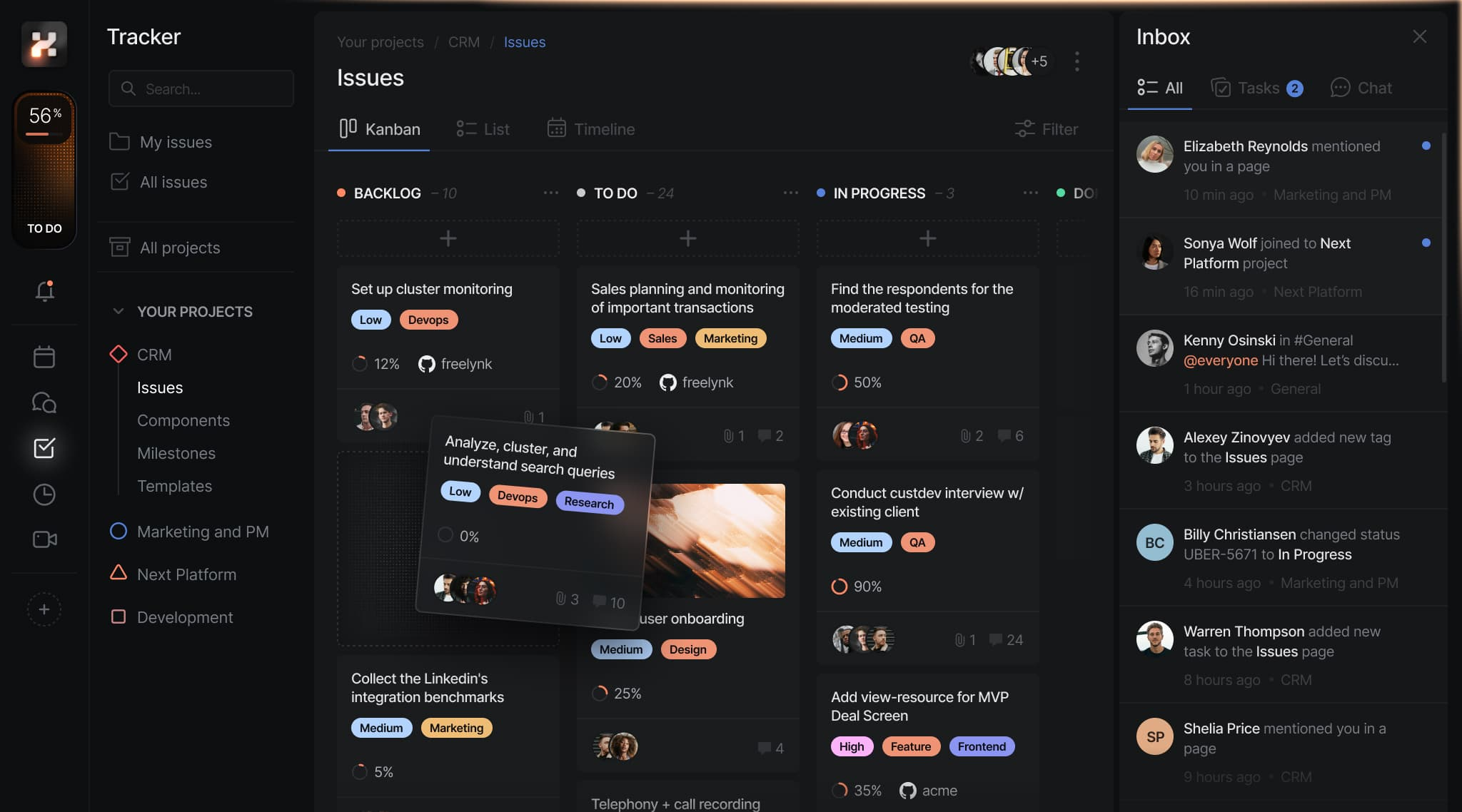
Where it shines is consolidation. If your team context-switches between a tracker, a chat tool, and a wiki, Huly’s pitch is one coherent place for all three, with self-hosting available.
For human-agent teams, the gap is the same one wearing a bigger coat: the workspace is built for human collaboration. Agents do not claim work, execute, or return results natively, and the all-in-one scope means betting on one young platform for several jobs at once.
Pick Huly if tool sprawl is your actual pain, you like open source, and agent work can stay outside the system for now.
6. YouTrack
YouTrack is JetBrains’ issue tracker, and it is the power user’s choice here. Its query language is genuinely excellent, its workflow scripting lets teams automate process rules other trackers cannot express, and its Jira import is mature because converting Jira teams has been part of its job for years.
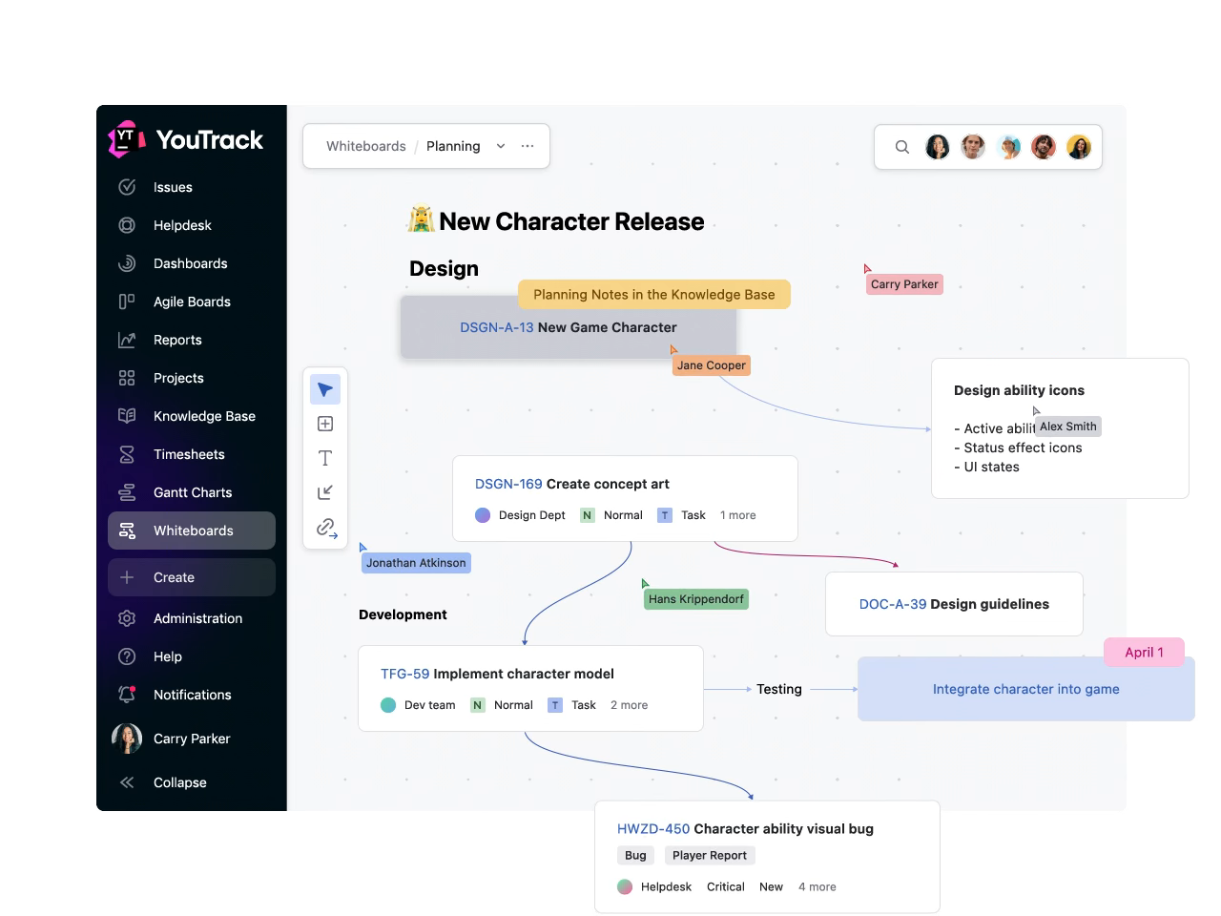
Where it shines is customization with sanity. Teams that bent Jira into elaborate shapes can usually rebuild those shapes in YouTrack with less ongoing administration, and JetBrains-centered shops get natural IDE adjacency.
For human-agent teams, YouTrack’s scripting automates the tracker, not the work. A workflow rule can transition an issue or ping a person, but it cannot give an agent a workspace, run it safely in parallel with others, or bring a reviewable result back with its context. The intelligence lives around issue state, while agent execution happens off-stage.
Pick YouTrack if your team runs on JetBrains tools and your processes are too specific for opinionated trackers.
7. Shortcut
Shortcut is the tracker for teams that find both Jira and Linear heavier than they need. Stories, epics, and iterations map cleanly onto how small engineering teams actually plan, and the learning curve is close to zero for anyone who has used a kanban board.
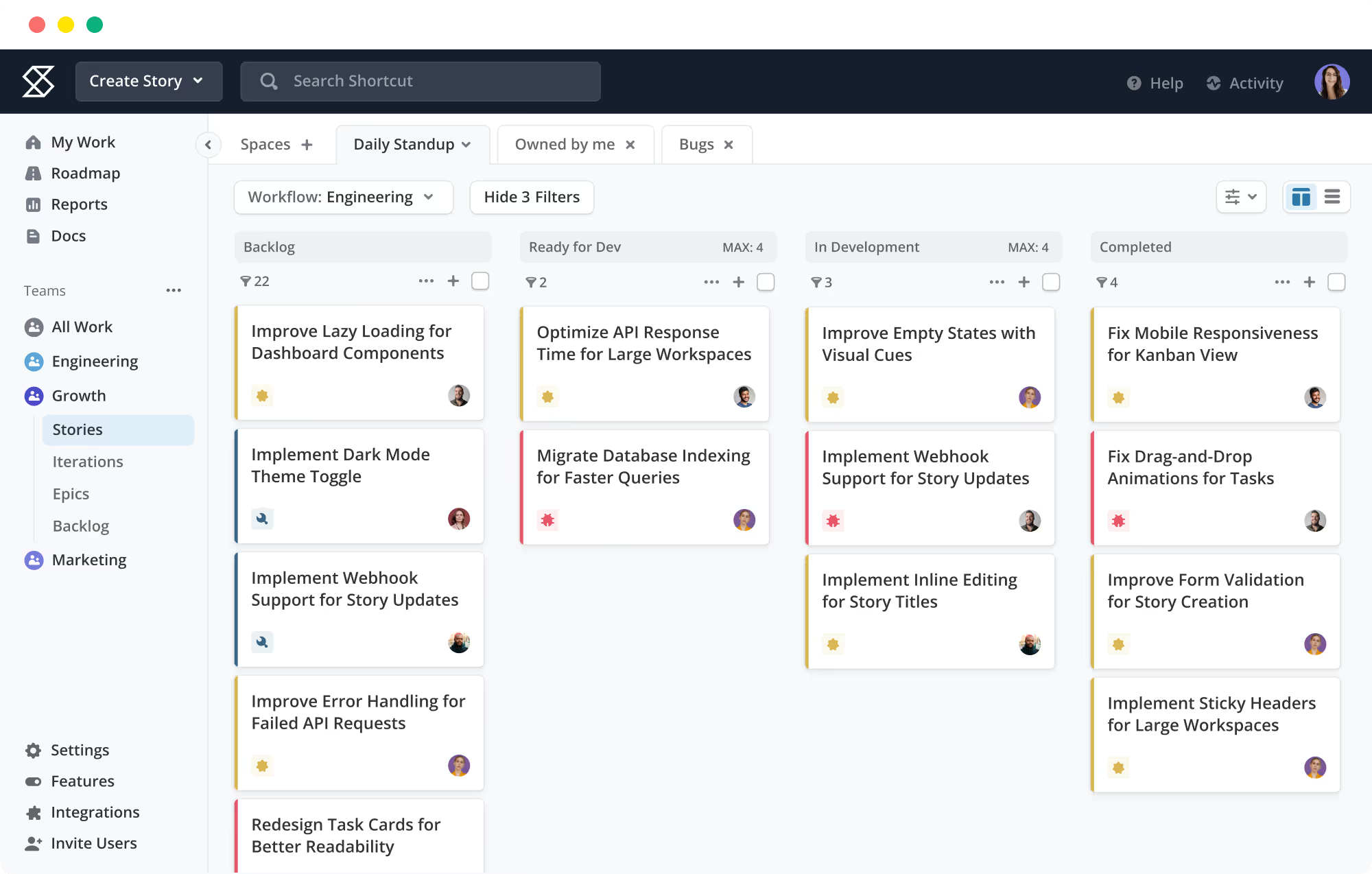
Where it shines is proportionality. A team of five to twenty engineers gets planning, iteration tracking, and reporting that fit, without an admin role emerging to tend the tool.
For human-agent teams, agents are invisible to it. Work an agent performs shows up only as commits and pull requests referenced from a story, with a person manually narrating what happened.
Pick Shortcut if you are a small team leaving Jira mainly to shed weight, and your agent usage is light enough that tracking it by hand is not yet a tax.
How to actually decide
Start from one question: is agent execution part of your team’s delivery, or an individual habit? Be honest, because the answer changes the shortlist entirely. If agents are how a real share of tickets get done, you need assignment, execution, and review in one system. If agents are something two developers use privately in a terminal, a human-first tracker is still a fine center of gravity, and not picking the agent-native tool yet is the right call.
Second question: do you actually need to leave Jira? If the pain is that agent work is invisible rather than that Jira is unbearable, syncing Sharkly to Jira keeps the system your organization already trusts while the agent half becomes assignable and reviewable. Migration is a project; a sync link is an afternoon.
Third question: what constraint is non-negotiable? Self-hosting points to Plane, OpenProject, or Huly. Formal governance points to OpenProject. Tracker speed points to Linear or Shortcut. Deep customization points to YouTrack. And if the constraint is that people and Agents work from the same plan with human review as the gate, that is the job AI agent project management describes.
FAQ
Do we have to leave Jira to give AI agents real tickets?
No. Sharkly’s Jira integration supports both one-time import, via CSV or the Jira API, and an ongoing sync link between a Jira project and a Sharkly Space, including a bidirectional mode where new Tasks can create Jira issues. Your team can keep planning in Jira while agent execution, progress, and review happen in Sharkly alongside it.
What makes a tool “agent-native” instead of just having an AI feature?
An agent-native tool treats the agent as an assignee with an execution path: it can claim a task, run on a connected machine in an isolated workspace, and return results, blockers, and evidence to the task for human review. AI capabilities layered on a human-first tracker, like summaries or auto-triage, assist the humans using the tool. They do not perform the work the ticket describes.
Can Linear assign issues to AI agents?
Linear can delegate issues to coding agents through its agent integrations, currently Claude Code and Codex, and those agents report progress and a diff back on the issue, which is real progress for a human-first tracker. The difference is where the work runs: execution happens inside each connected vendor’s hosted agent rather than on hosts you operate, so you do not choose the machine, mix arbitrary runtimes, or keep the repository on your own infrastructure.
Is Sharkly free, and what does running agents cost?
Sharkly is not free and not open-source; see its site for current terms. The consistent part is the model cost: usage runs through the subscriptions or API keys configured in the coding tools your team connects, so model quota depends on the plans and accounts you already have rather than on tokens resold by the platform.
Which alternative is best for a small team with no agents yet?
Shortcut or Linear, depending on taste: Shortcut if you want the least process, Linear if you want the sharpest tool. Plane is the pick if self-hosting matters. Revisit the decision when agents start completing a meaningful share of tickets, because that is the point where work starts disappearing into private terminals.
What happens to our Jira history if a Sharkly import goes wrong?
Import is designed to be reversible in a specific window: a completed or failed import can be rolled back within seven days, which removes the Tasks and Projects that import created without changing any data in Jira. Re-imports also skip Tasks already identified from the same Jira source by default, so running an import twice does not create duplicates.