Human-Agent Collaboration
 Human-Agent Collaboration
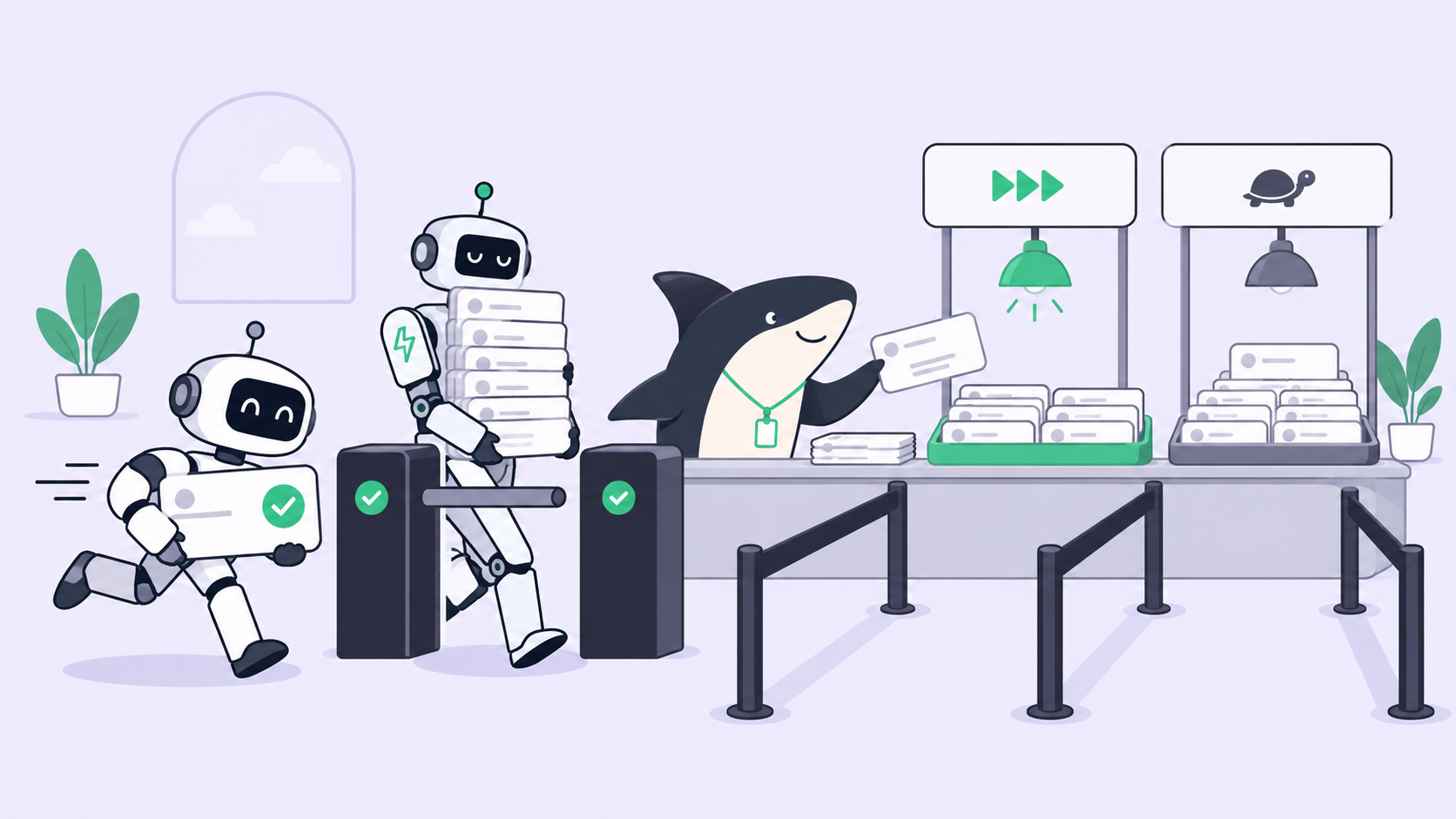
Can You Run Coding Agents on GLM-5.3-Flash for Free?
OpenCode made GLM-5.3-Flash free on October 16, 2026, a day after DeepSeek V4.1 Flash. Only an Agent on an OpenCode Runtime can use it. Setup, the 200K and PDF limits, and why its uneven response times make it a background-Task model.

Ashley Innocent
October 16, 2026
 Human-Agent Collaboration
Muse Wonder Full Is Subscription-Only. What That Means for an Agent Team
Muse Wonder Full runs only in Muse Code on a $50+ plan. For a team on a shared board, the strongest model is personal, unlogged, and on Contributor data terms.

Ryan Mitchell
October 15, 2026
 Human-Agent Collaboration
Muse Wonder vs Claude Opus 5.5: Which Agent Gets the Long Task?
Same price, different Agents. Route long blocker-heavy Tasks to Muse Wonder (SWE-Marathon 53.1 vs 46.3), keep terminal, knowledge and review on Opus 5.5.

Mia Parker
October 15, 2026
 Human-Agent Collaboration
Gemini 4 Argon for Coding Agents: Setup, Costs, and Which Tasks to Route to It
Gemini 4 Argon went GA on October 13 as gemini-4-argon on the paid Gemini API, with no free tier. Run it as a Gemini CLI Agent: a paid key, one pinned model value, a one-line smoke test before the first Task, and a routing rule for when Argon gets the work.

Lucas Hayes
October 13, 2026
 Human-Agent Collaboration
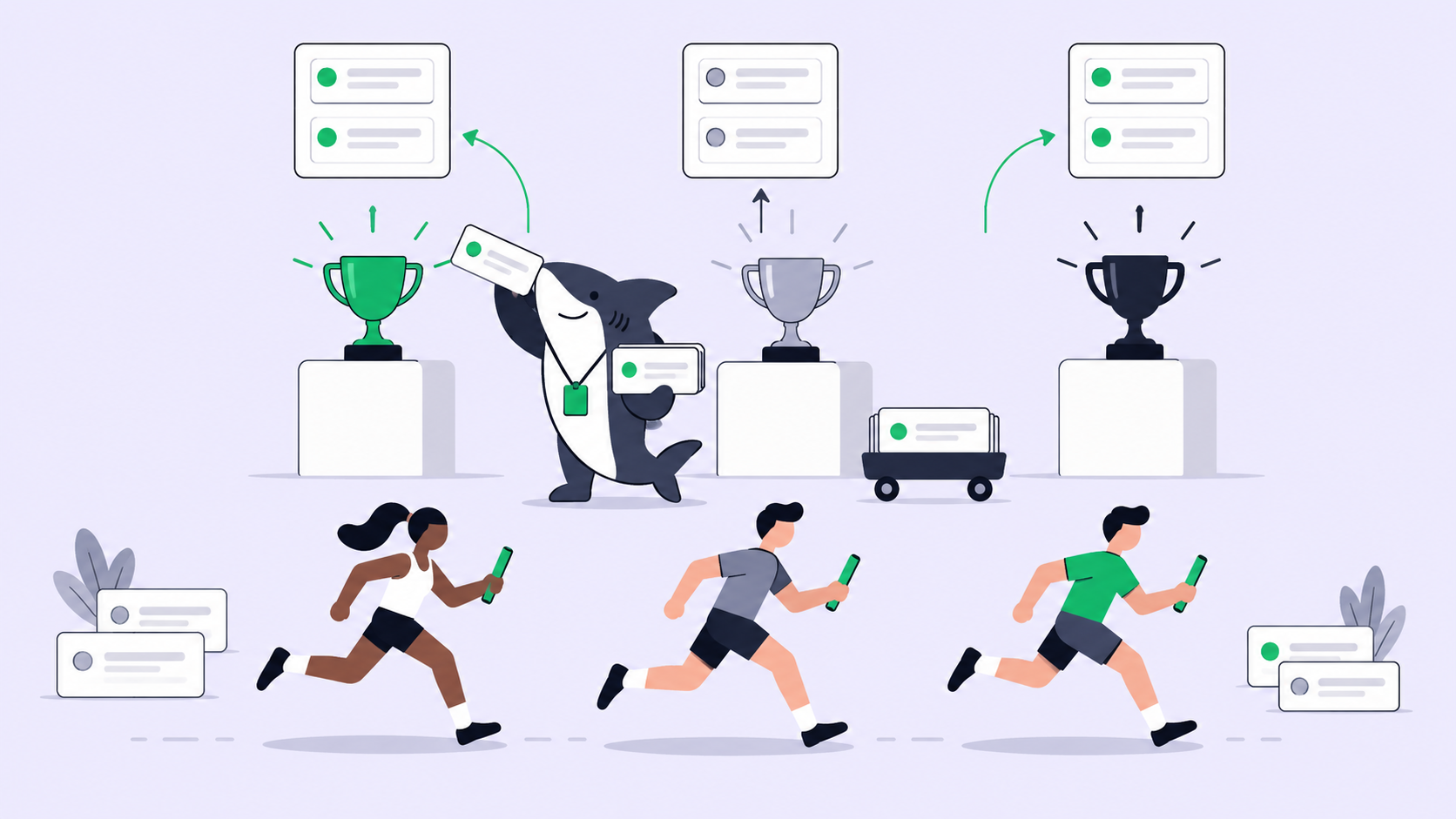
Gemini 4 Argon, GPT-6 Astra, Claude Opus 5.5: Three Frontier Models, Three Different Winners
Gemini 4 Argon is now GA, and Google's own table still hands five rows to GPT-6 Astra and Claude Opus 5.5, including both Terminal-Bench rows. No lab owns every row, so no lab should own the board: write a routing rule and test it on your own codebase.
Mia Parker
October 13, 2026
 Human-Agent Collaboration
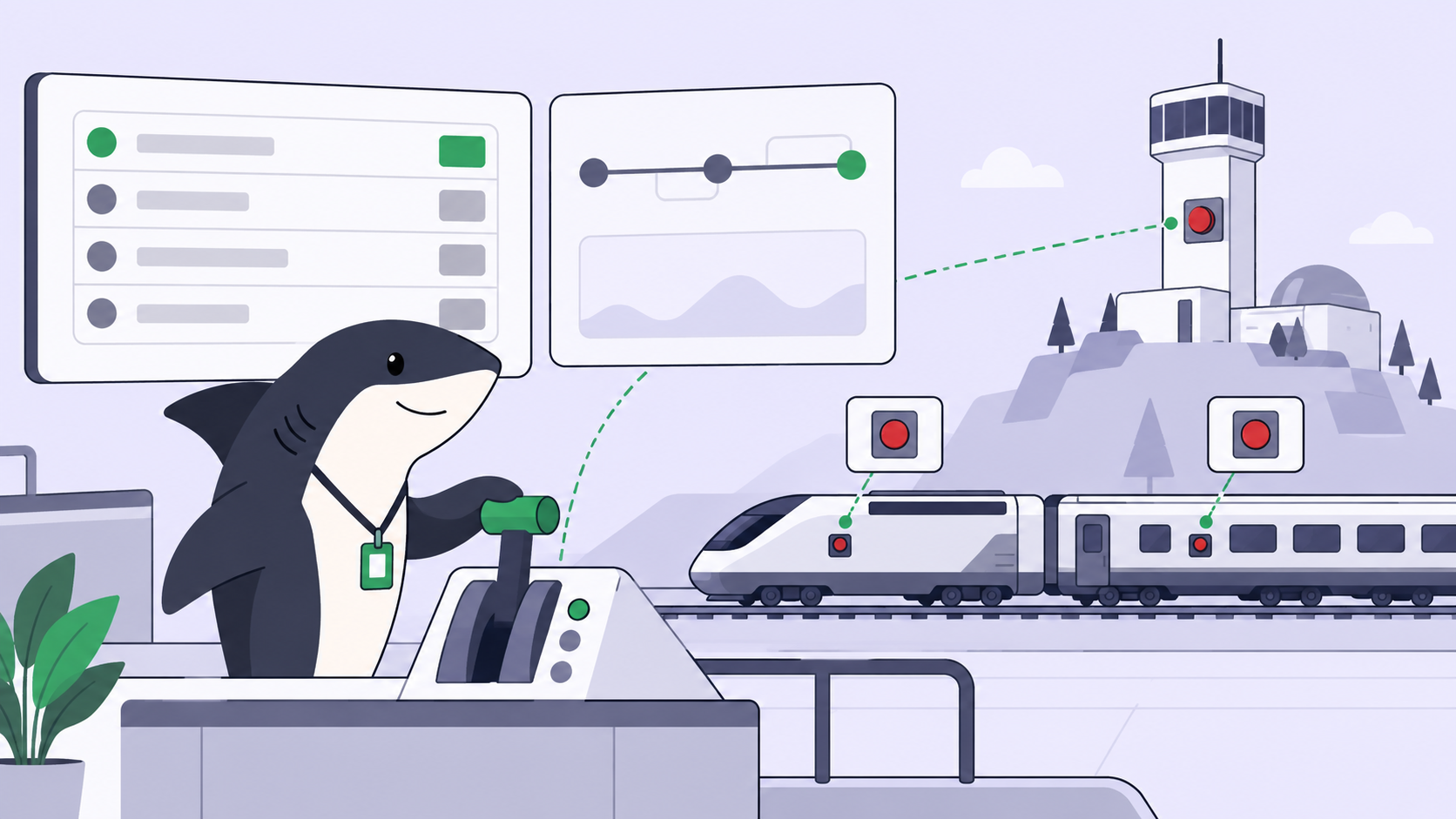
Google Will Stop Argon Mid-Run if It Oversteps. Who Stops Your Agents?
Gemini 4 Argon is now GA on the paid Gemini API, and Google says it will stop the model mid-run when necessary. That protects the world, not your codebase. Map Fairwind's operating rules to crew controls, then write a stop policy for when an Agent pauses for a human.
Ryan Mitchell
October 13, 2026
 Human-Agent Collaboration
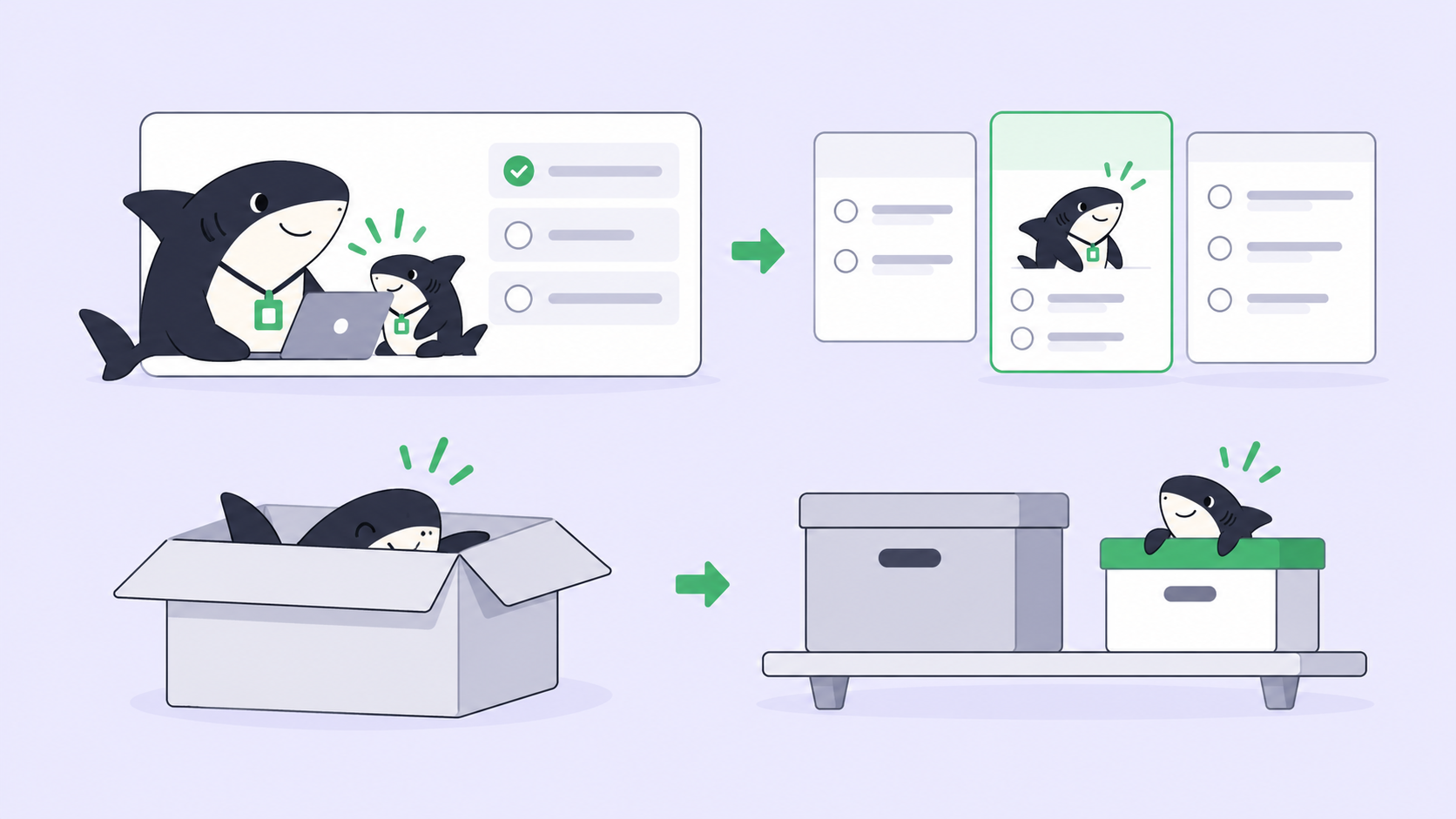
Haiku 5.5 as a Subagent or as Its Own Agent: Where Cheap Work Should Live
Anthropic built Haiku 5.5 to be a subagent. A placement rule for cheap work: in-run subagent when the lead checks it, its own Agent and Task when it ships.
Lucas Hayes
October 8, 2026
 Human-Agent Collaboration
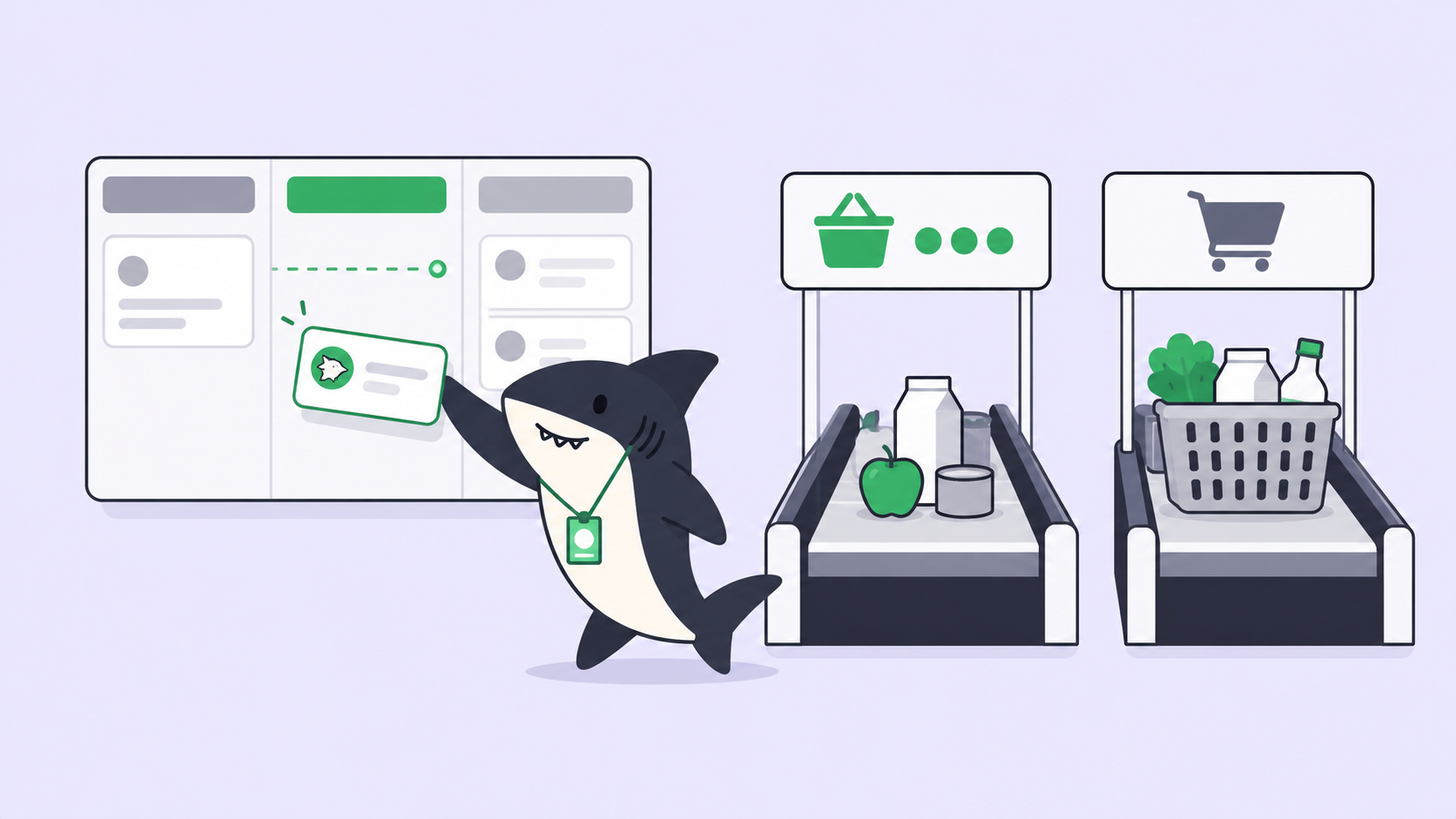
How to Run Claude Haiku 5.5 Agents in Sharkly
Run Claude Haiku 5.5 agents in Sharkly: pin claude-haiku-5-5 in Claude Code, set it in the Agent's Custom arguments, and keep runs under the 100K price step.

Sophia Carter
October 8, 2026
 Human-Agent Collaboration
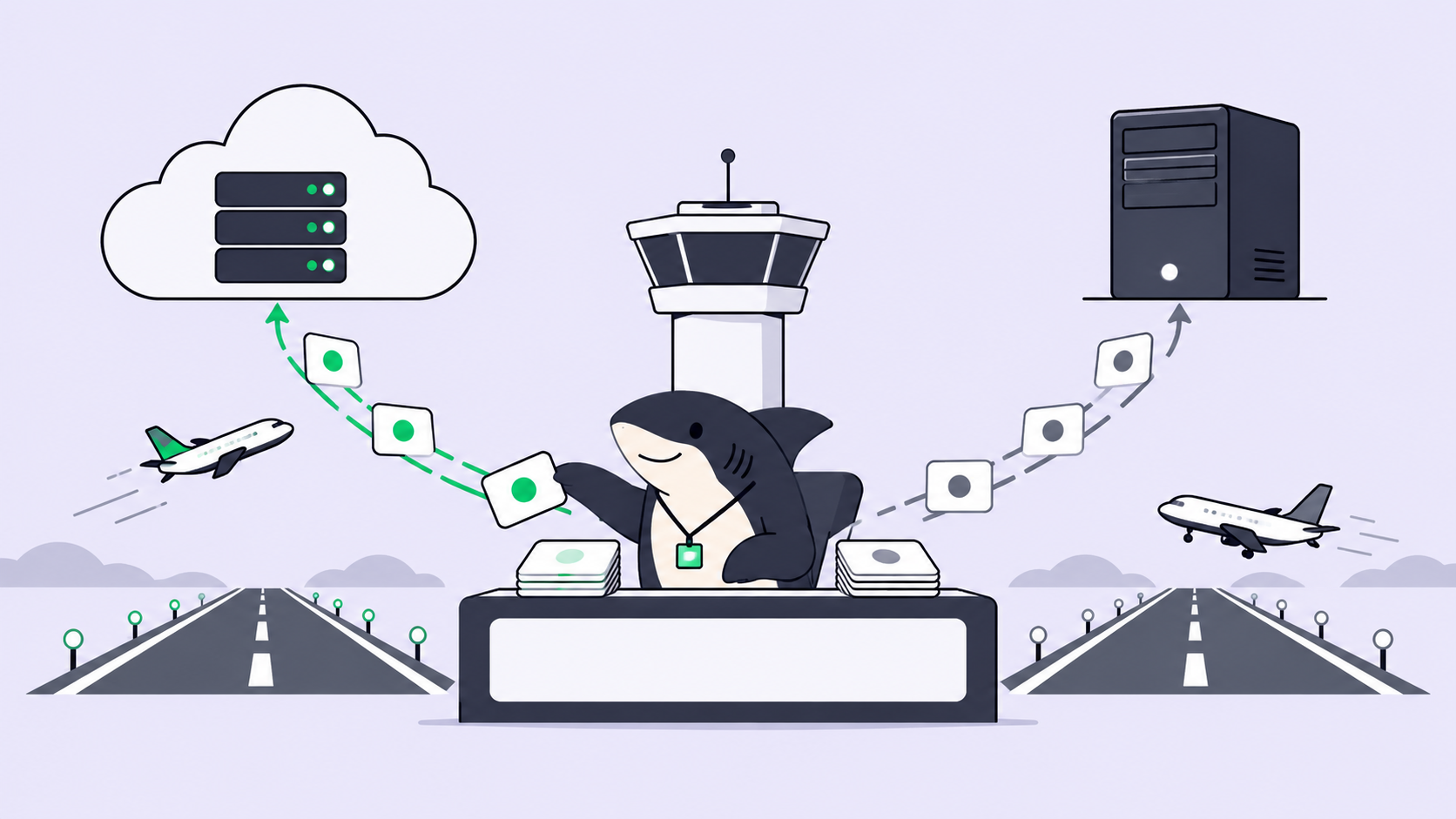
Codex Cloud Is Here. When Should Your Agents Still Run on Your Own Computers?
Codex cloud runs tasks in reusable environments while your laptop sleeps. When your own Computers still win: other Runtimes, private networks, custom hardware.
Lucas Hayes
October 2, 2026
 Human-Agent Collaboration
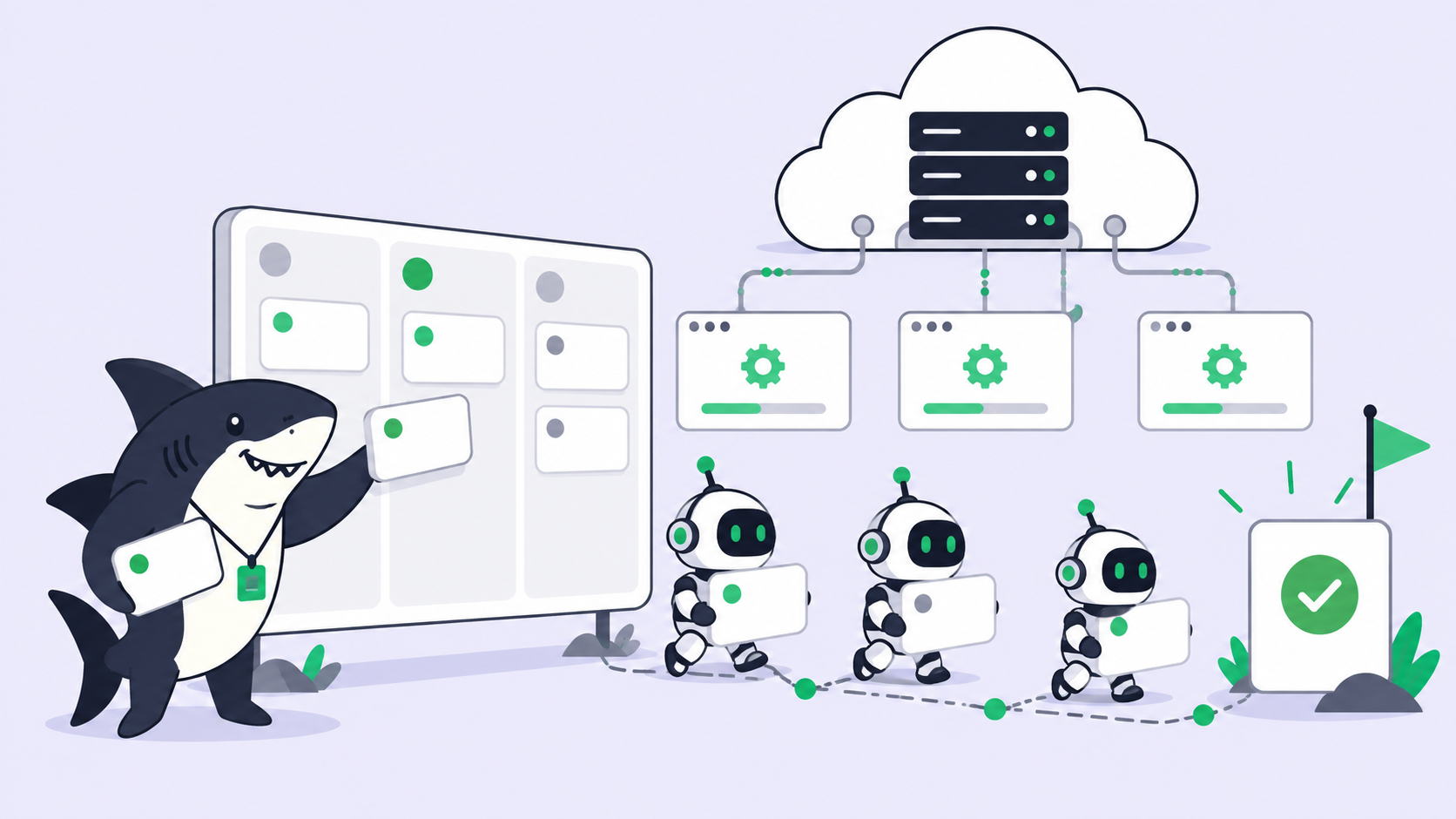
OpenAI's Agents API Runs the Loop for You. Who Runs the Agents?
OpenAI's Agents API hosts the Codex harness and, since DevDay, computer use with approval events. What stays with your team: assignment, review, acceptance.

Leo Harrison
October 2, 2026
 Human-Agent Collaboration
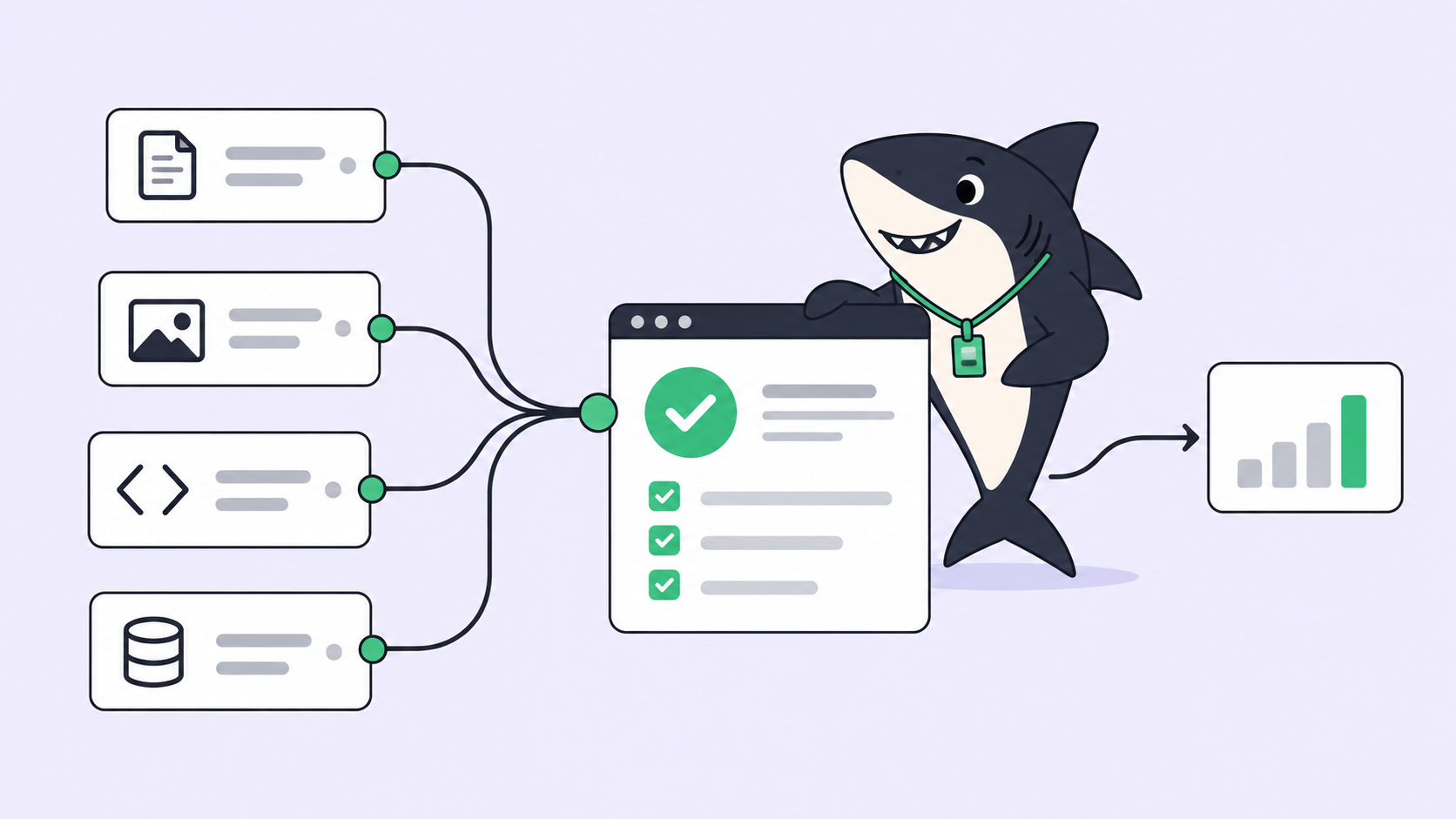
Mixed-Model Crews: Cheap Workers, an Expensive Reviewer, and the Handoff Between Them
Cheap GPT-6 Luna workers plus a Claude Opus 5.5 reviewer only works if the handoff carries evidence, not a summary. The packet a worker returns, what the reviewer sends back, and the caching math.
Ryan Mitchell
September 23, 2026
 Human-Agent Collaboration
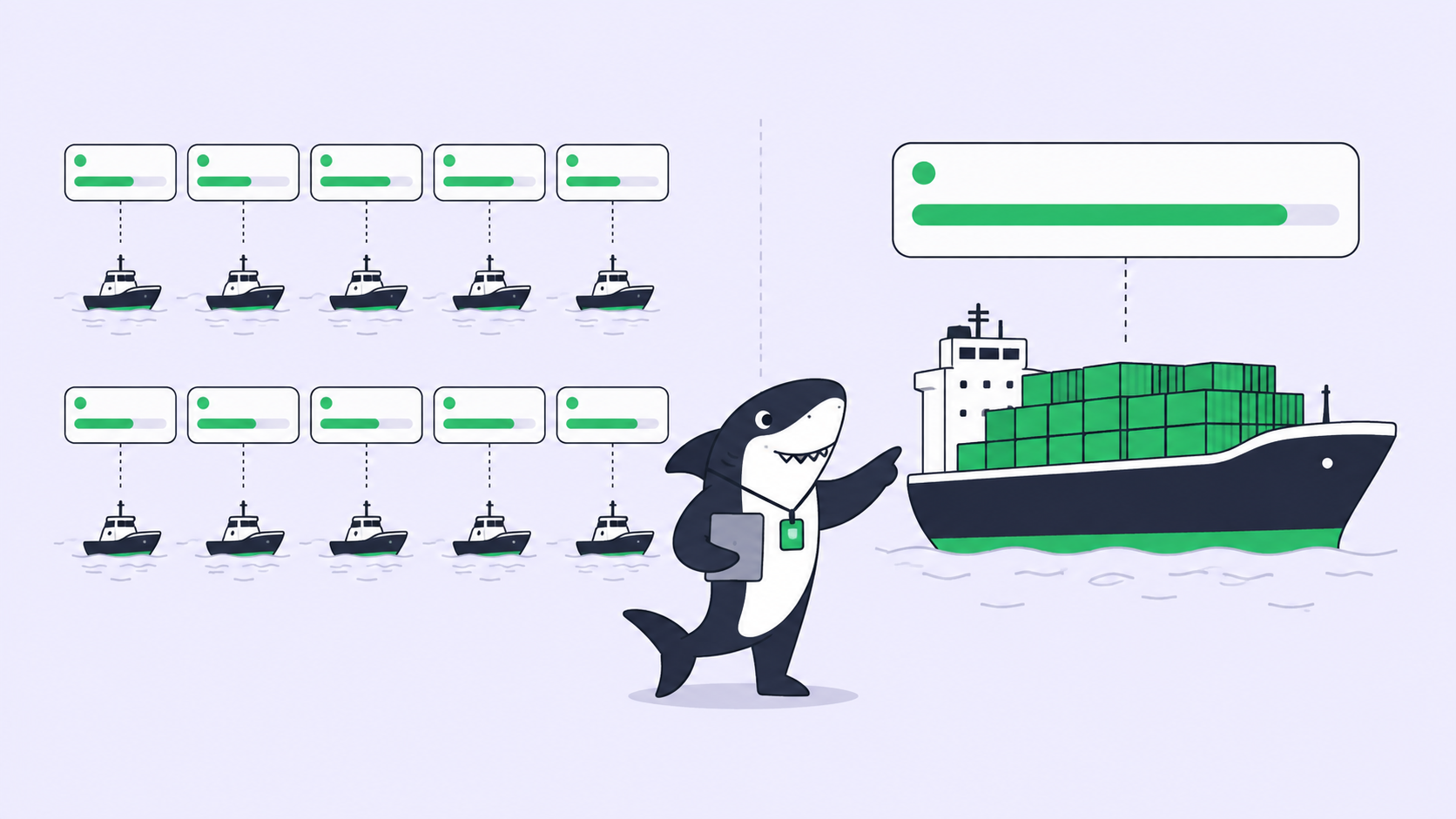
Ten Agents on GPT-6 Luna or One on Opus 5.5: Which Configuration Actually Ships More
GPT-6 Luna is 93% cheaper per task than Claude Opus 5 on DeepSWE 1.1 while scoring 66.6%. Ten cheap agent runs or one expensive one: it depends on whether a test suite or a person picks the winner.
Sophia Carter
September 23, 2026
 Human-Agent Collaboration
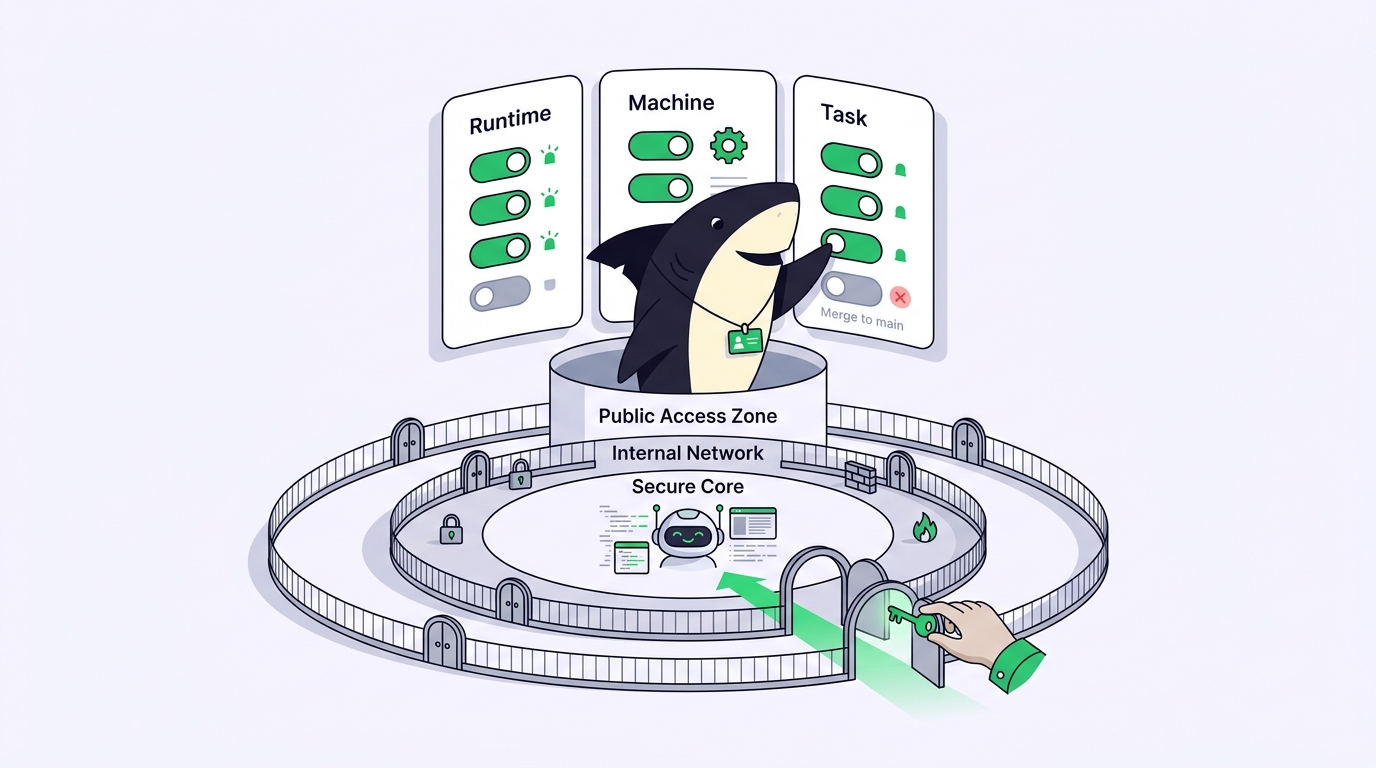
Coding Agent Permissions: What an Agent Should and Shouldn't Be Allowed to Do
Coding agent permissions in three layers: runtime tools, the machine and its credentials, and task scope. The failure mode at each step, plus a checklist for what an agent should and shouldn't do.
Leo Harrison
September 20, 2026
 Human-Agent Collaboration
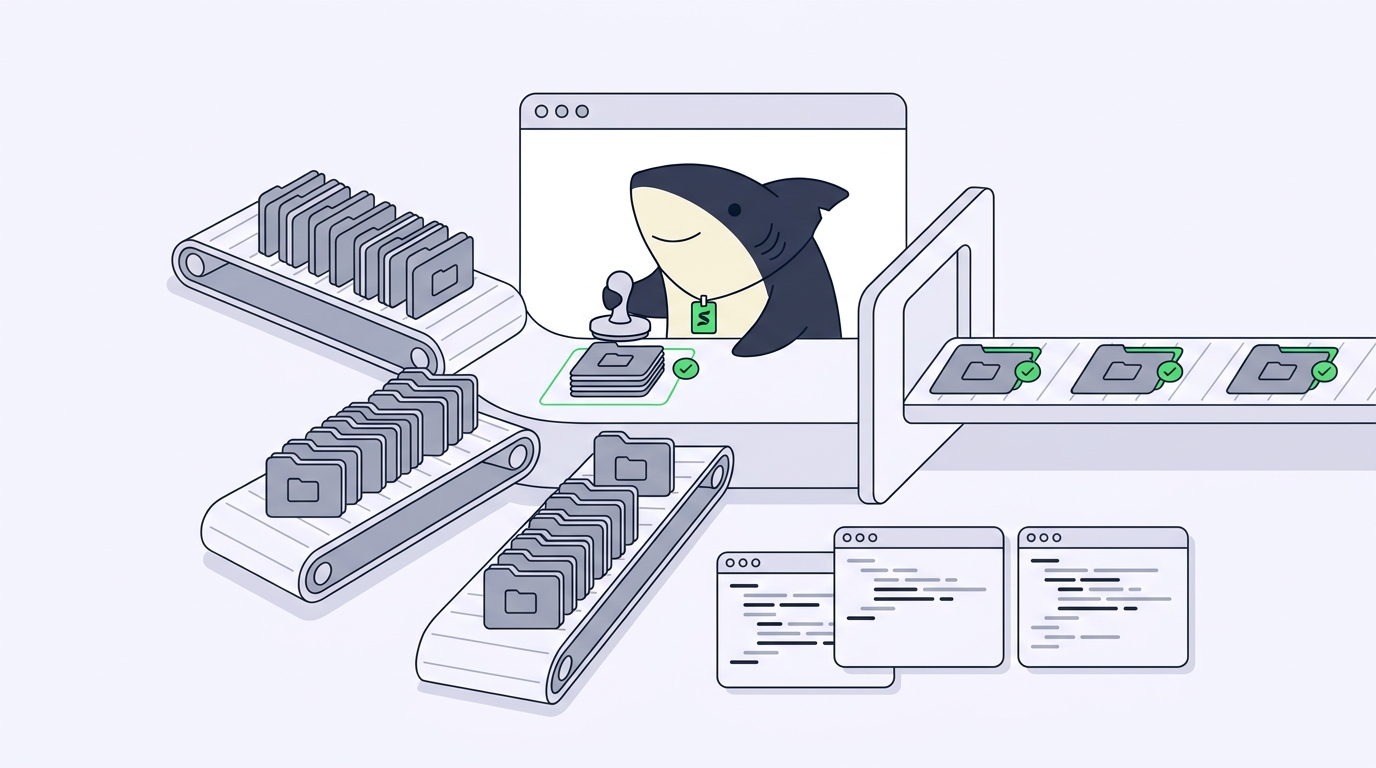
Human Review Is the Bottleneck: Designing Review for Parallel Agents
Run agents in parallel and review becomes the constraint. An operating model, statuses, and review gates: agents move to Ready for review, humans move to Done, with a worked example from ticket to merged PR.
Ashley Innocent
September 17, 2026
 Human-Agent Collaboration
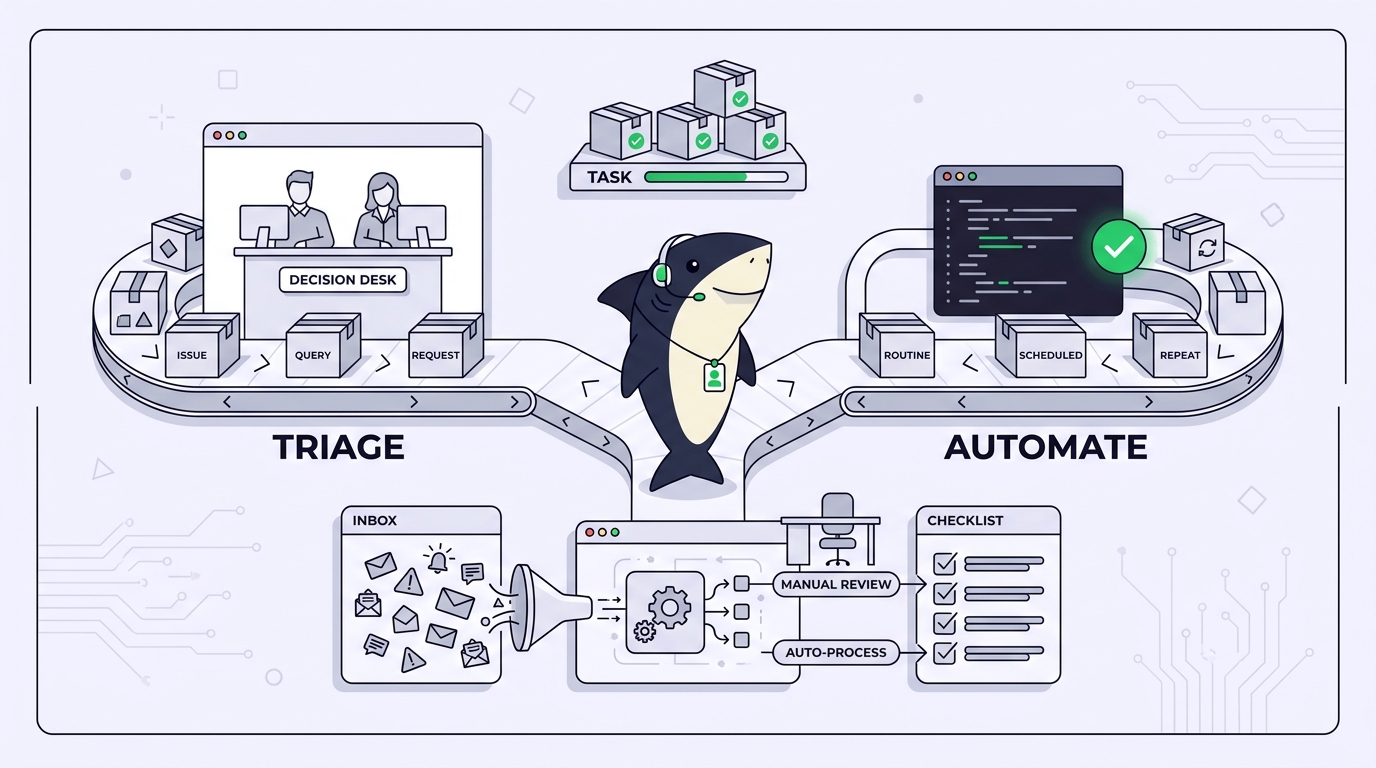
Operations Teams and AI Agents: Triage, Automate, Close the Loop
Operations work arrives unpredictably. Here's how Sharkly splits it: Triage for the unpredictable third, Automations for the recurring rest, and results that return to the Task for human review.
Leo Harrison
September 15, 2026