Tutorials
 Tutorials
How to Run Muse Wonder Agents in Sharkly
Run Meta's Muse Wonder as a Sharkly lane: a Codex provider for api.meta.ai on the Computer, the model in Custom arguments, and the long Tasks routed to it.

Ashley Innocent
October 15, 2026
 Tutorials
LLM-Based Human-Agent Systems (LLM-HAS): A Practical Guide
LLM-HAS is the research name for designing humans into agent systems on purpose. The five components from the survey, translated into decisions for a team running coding agents.
Fallon Jimmy
October 13, 2026
 Tutorials
What Is an Agent OS? Architecture, Components, and Use Cases
Agent OS traces to a real design: the AIOS kernel with scheduling, context, memory, storage, tool and access management. What exists today, and how to read the claim.

Leo Harrison
October 13, 2026
 Tutorials
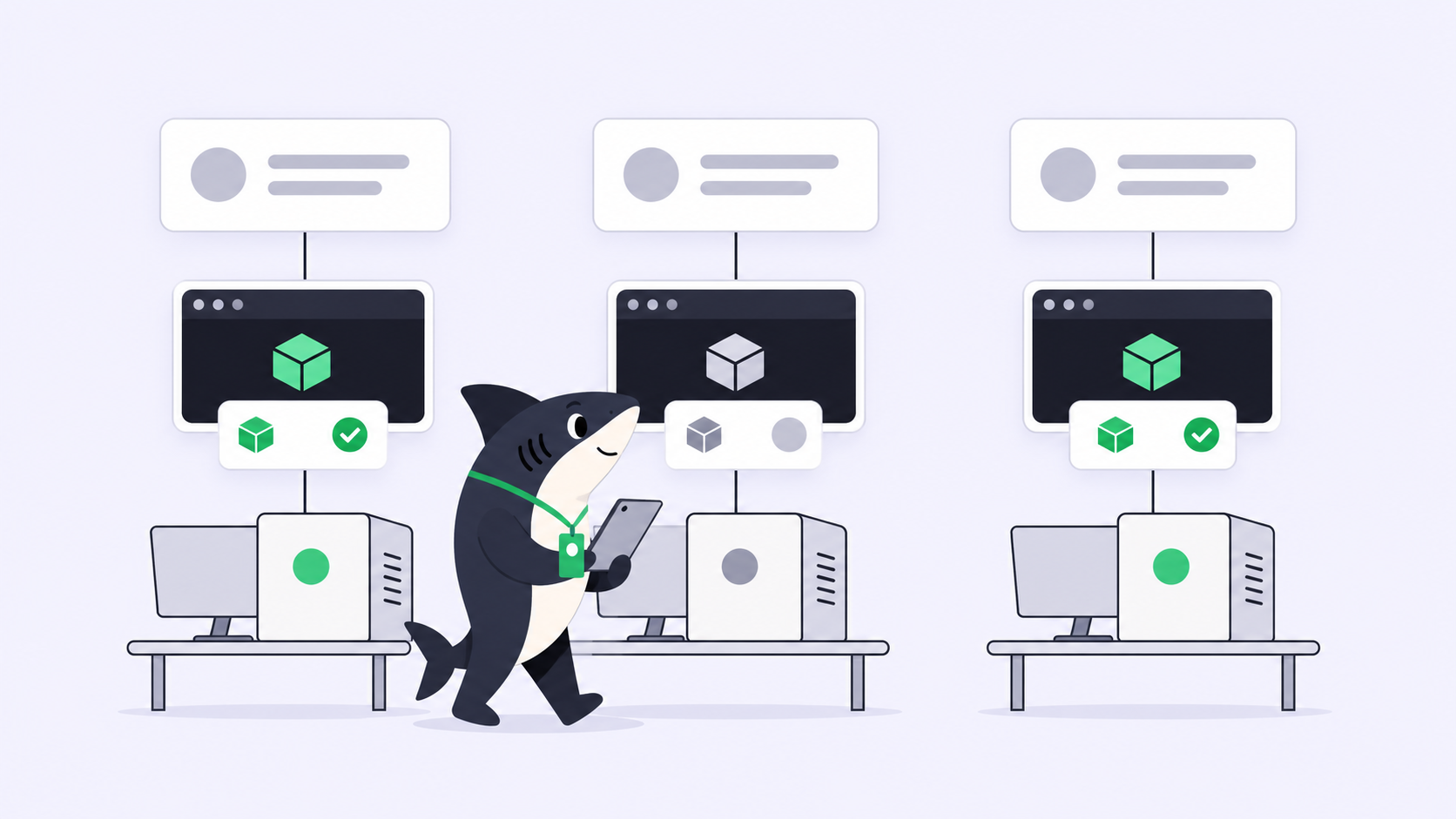
How to Run GPT-6.1 Sol Agents in Sharkly
GPT-6.1 Sol reaches Sharkly through the Codex Runtime. Check each Computer's Codex default, pin or follow it, drop none effort, and route your Crew.

Lucas Hayes
October 13, 2026
 Tutorials
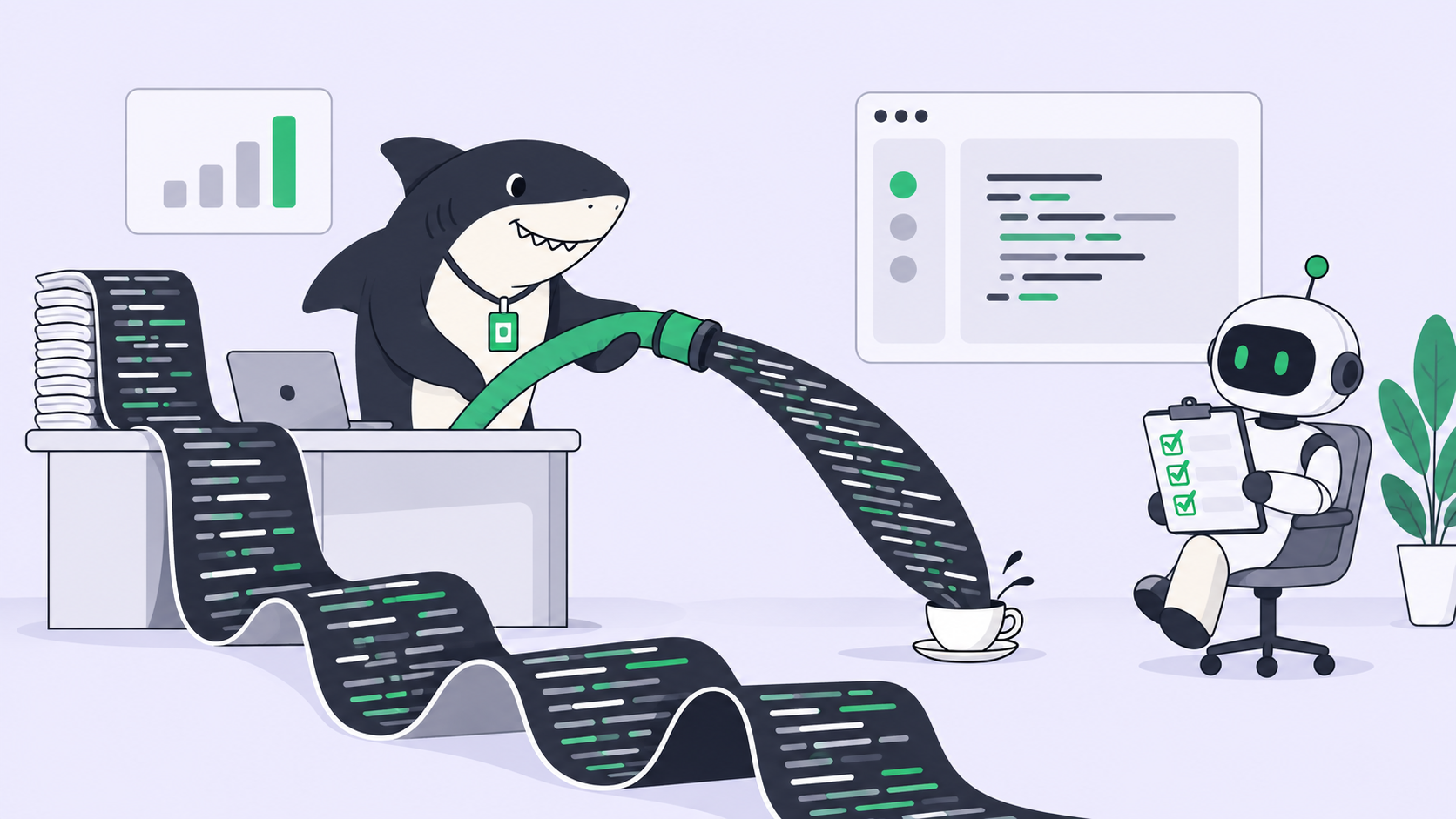
A Million-Token Agent Run Is a Review Problem, Not a Speed Win
Gemini 4 Argon is GA, and one background request can now return about 1M output tokens, roughly $10 a maxed run through November 30 and $20 after. That moves the bottleneck from writing code to accepting it: scope Tasks, put evidence on each, do the review math first.

Ryan Mitchell
October 13, 2026
 Tutorials
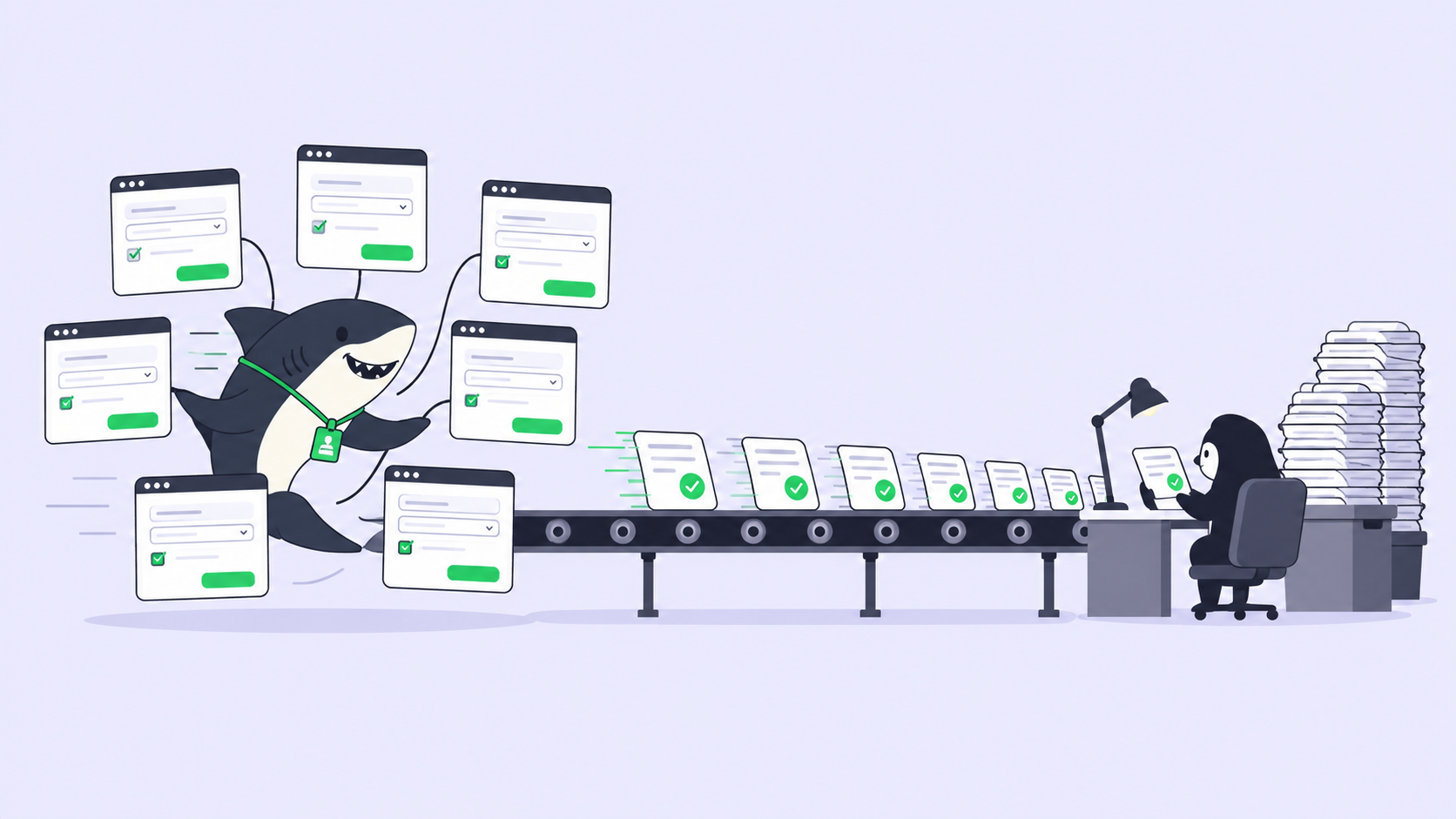
Cheap Browser Agents with Haiku 5.5: The Review Queue Is the New Cost
Haiku 5.5 scores 72.4% partial credit but 37.1% strict on OSWorld. How teams design browser-agent Tasks, review and submit gates around that gap.
Leo Harrison
October 8, 2026
 Tutorials
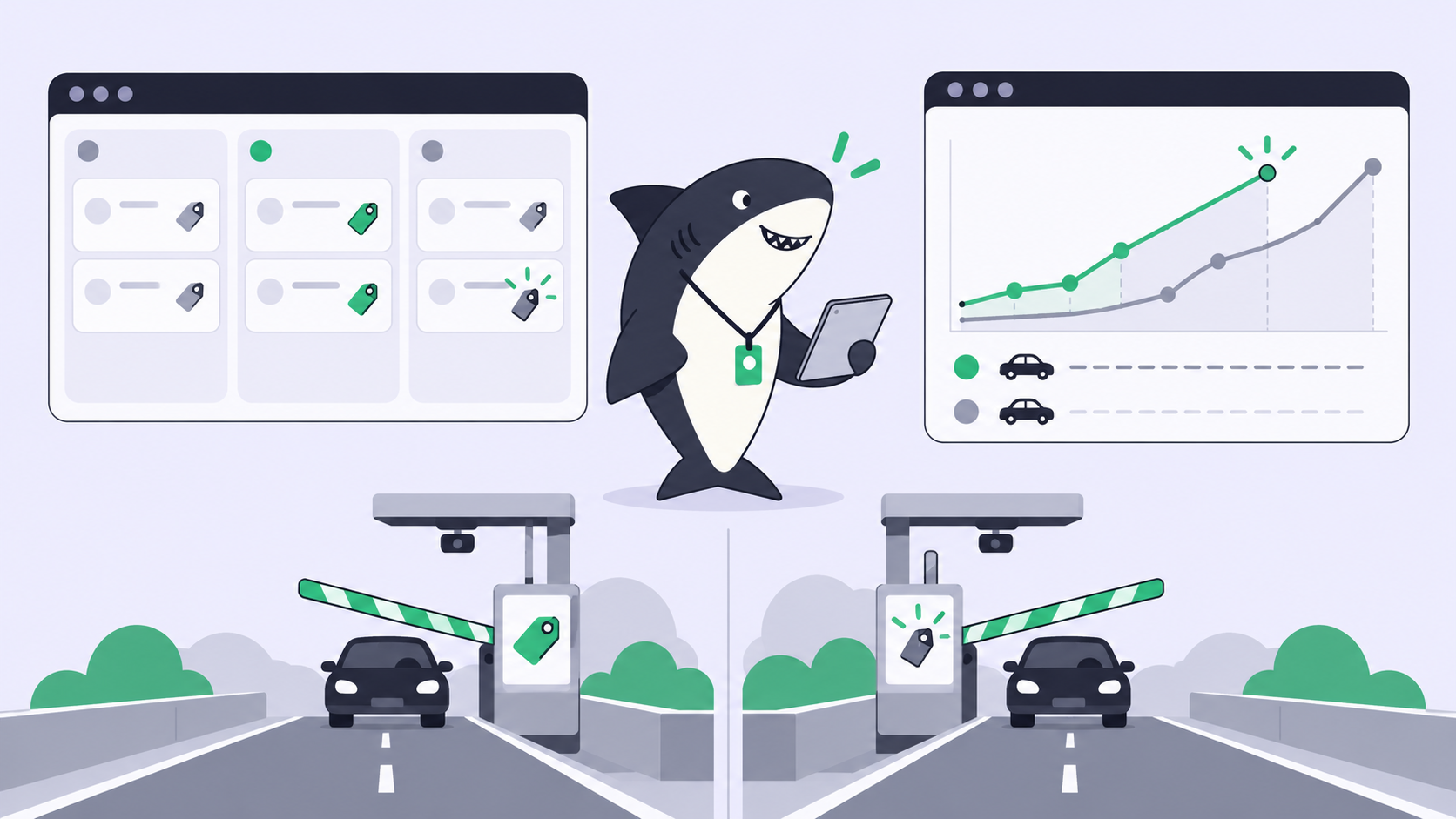
Claude Haiku 5.5 vs GPT-6 Luna
Haiku 5.5 and GPT-6 Luna both list at $0.10/$0.50, but only under 100K tokens. Where the bills split, what the shared table shows, and how to test both.

Mia Parker
October 8, 2026
 Tutorials
Sonnet 5.5 or Opus 5.5: Which Agent Gets the Task?
Sonnet 5.5 costs half of Opus 5.5, but effort decides cost per task. A written routing rule for coding agents: which model, what effort, when to escalate.

Sophia Carter
September 29, 2026
 Tutorials
Model Handoffs Lose the Reasoning: What Claude Sonnet 5.5 Changes for Multi-Agent Work
Claude Sonnet 5.5 binds thinking blocks to the model, conversation and account, so reasoning never survives an agent handoff. What the Task must carry instead.
Leo Harrison
September 29, 2026
 Tutorials
Claude Sonnet 5.5 vs GPT-6 Sol: Two Runtimes at the Same Price
Claude Sonnet 5.5 and GPT-6 Sol both list at $2/$10. What the shared benchmarks show, why cost per task flips with effort, and how to test both on your code.
Lucas Hayes
September 29, 2026
 Tutorials
Can You Run Coding Agents on Claude Sonnet 5.5 for Free?
Sonnet 5.5 is free to chat with on Claude.ai, but Claude Code is not on Free and a chat seat cannot start a run. The real free routes and the cheapest setup.
Mia Parker
September 29, 2026
 Tutorials
How to Run Claude Sonnet 5.5 Agents in Sharkly
Run Claude Sonnet 5.5 agents in Sharkly: pin claude-sonnet-5-5 in Claude Code on a Computer, tune the Agent for medium effort, and keep Opus 5.5 as reviewer.
Ryan Mitchell
September 29, 2026
 Tutorials
When an Agent Run Outlives Your Workday: Designing Review for 18-Hour Agents
Claude Opus 5.5 stays on task 18+ hours. A run that outlives your day inverts review. The stop condition, waiting state, and owned inbox that make overnight agent runs safe to return to.
Ryan Mitchell
September 23, 2026
 Tutorials
How to Run Claude Opus 5.5 Agents in Sharkly
Put Claude Opus 5.5 on your team's board: set claude-opus-5-5 in Claude Code on a Computer, size the per-Task timeout for an 18 hour run, and assign one Task the team can review.
Ashley Innocent
September 23, 2026
 Tutorials
Prompt Injection and Agent Guardrails: Why Claude Opus 5.5 Does Not Replace Your Review Gate
Claude Opus 5.5 reports 85% fewer successful boundary circumventions. That is a ratio, not a floor, and it landed the week agent runs got cheaper. What it changes about review, and what it does not.
Lucas Hayes
September 23, 2026