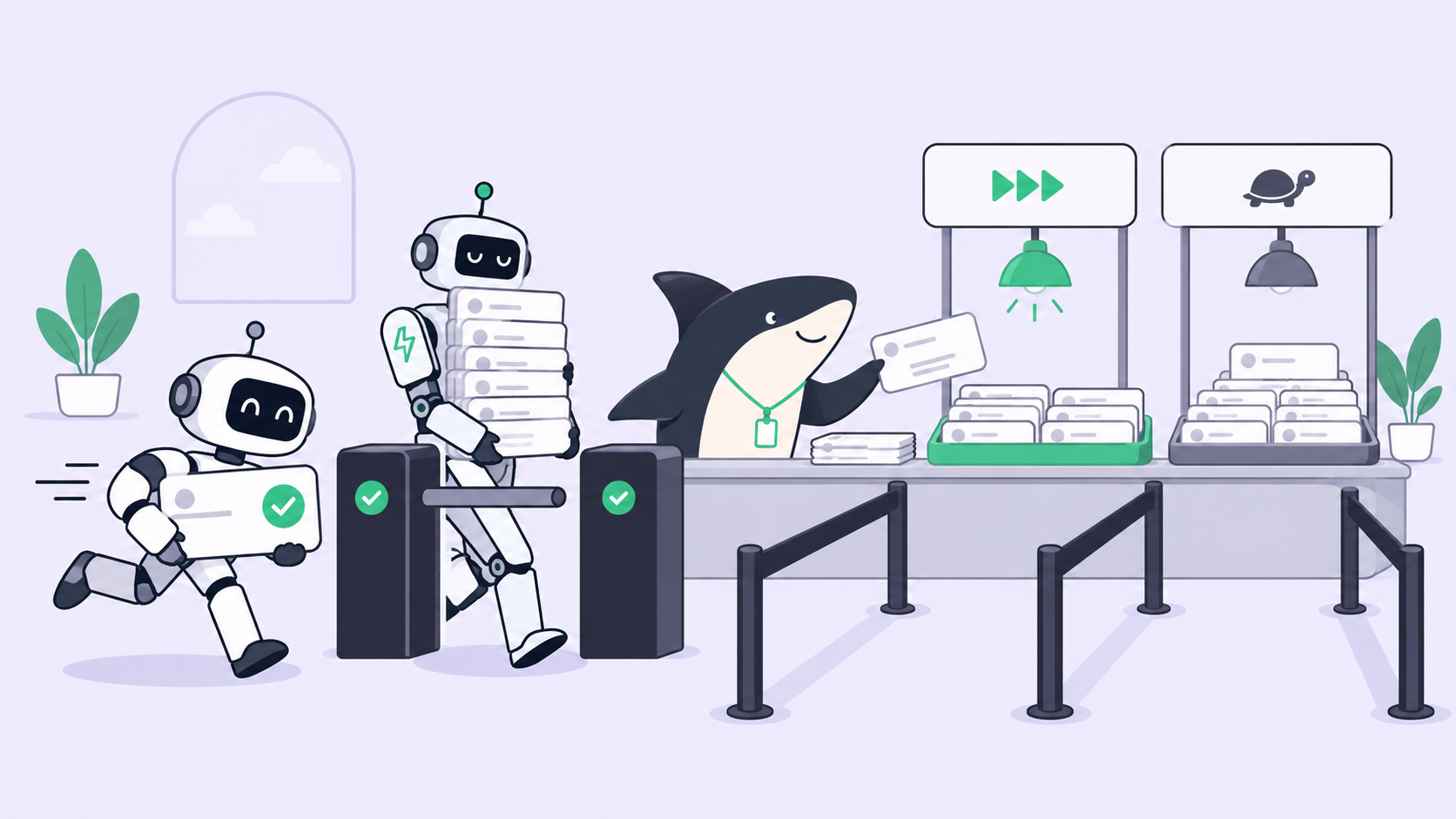
Meta’s strongest model is not on Meta’s API. Muse Wonder Full scores 56 on the Artificial Analysis Intelligence Index, ties Claude Code on Sonnet 5.5 at 68 on the Coding Agents Index, and leads every model on Meta’s long-running coding benchmark. You can only use it inside Muse Code, Meta’s terminal agent, on the $50 Power or $200 Maximum plan. The API serves the smaller Muse Wonder at 52 and 63. There is no per-token price for Full, no gateway, and no date for one.
For an individual developer this is a pricing choice. For a team that runs agents from a shared board, it is a structural one: the best Meta model lives in one person’s terminal, under one person’s subscription, with one person’s data settings, and nothing a Task is assigned to can reach it. This post works out what that does to a Crew, and what to do about it.
The two Wonders, as a team sees them
| Muse Wonder | Muse Wonder Full | |
|---|---|---|
| How a Runtime reaches it | Codex or Claude Code on api.meta.ai |
It cannot |
| Who pays | The team’s Meta key, $4 / $20 per million | One subscriber, $50 or $200 a month |
| Who sees the runs | Everyone on the board | The subscriber’s terminal |
| Default data mode | API Standard: not used for training | Muse Code Contributor: used for training unless switched off |
| Coding Agents Index | 63 | 68 |
| SWE-Marathon | 53.1 | 57.5 |
The right column is a personal tool. The left column is a lane. Everything that follows comes from that difference.
What a team loses when the best model is personal
The work leaves the board. Sharkly’s value is that assignment, progress, blockers, results and review are visible from request to release. A Muse Code session is none of those things. If the strongest model only runs there, the hardest Tasks drift to whoever has the subscription, and the board records a Task that was Done without a run, a log, or a reviewable path.
One person’s settings become team policy. Muse Code subscriptions default to Contributor mode, which lets Meta train on prompts, code and outputs in exchange for more usage. The subscriber can turn it off. Nobody else can see whether they did. A Runtime on a Computer calls the API in Standard mode, where traffic is not used for training, and that holds for every Agent on the Computer without anyone checking a box.
Capacity is a plan tier, not a key. Muse Code plans reset on five-hour and weekly windows, and launch week showed what happens when they misbehave: Wonder and Full drained quotas abnormally fast on day one, Meta reset everyone, and Alexandr Wang said there were still issues to iron out. A lane on the API has a different constraint, 3,000 requests and 4M tokens per minute shared by the team, which a board can meter and a person cannot.
The benchmark is not the one you get. Meta’s launch material leads with Full’s numbers. Anyone planning capacity from them is planning for a model the Crew cannot run. The relevant row for a team is Wonder’s: 52 on the index, 53.1 on SWE-Marathon, 25 on knowledge. Still a good long-run worker; how to run it is a one-afternoon setup.
What a team keeps
None of this makes Full useless. It makes it a different kind of tool, and the honest answer is that it fits where Claude Code or Codex in a personal terminal already fit: the lead engineer’s own exploration, the spike nobody has scoped yet, the gnarly debugging session that is not a Task until someone understands it. Full is four points better at exactly that work. Use it there.
The discipline is in the handoff. When a Muse Code session turns a mystery into a plan, the plan becomes a Task, and the Task goes to a lane the board can see. The Crew’s Wonder Agent, or its Opus 5.5 Agent, does the scoped work with a run log and a reviewer. The subscriber keeps the exploration; the team keeps the record.
Two small practices make that stick:
- Write the model into the Task. Sharkly does not display model names, so the Agent’s instructions should put the model id at the top of its report, and a person pasting results from Muse Code should say so in the Task comment. A reviewer who does not know whether a diff came from Full in a terminal or Wonder on the lane cannot calibrate.
- Decide Contributor mode as a team. If anyone holds a Muse Code plan and touches team repositories with it, the opt-out is a team decision, written down, not a personal default. Prompt injection and agent guardrails covers why the review gate, not the model, is the control.
A worked week
Picture a five-person team in the first week after launch. The lead buys Muse Code Power on day one and spends Monday in Full on the migration nobody wanted. By Tuesday there is a plan: four scoped pieces, each with tests to keep green. Those four become Tasks on the board, assigned to the Wonder Agent on the Codex Runtime, and run in parallel on the team’s Computer while the lead reviews from the Inbox. Two come back clean. One comes back with a check-in about a schema change outside the attached repositories, which the lead answers on the Task in a comment. One fails its suite twice, keeps going, and closes on the third approach with a log that shows all three.
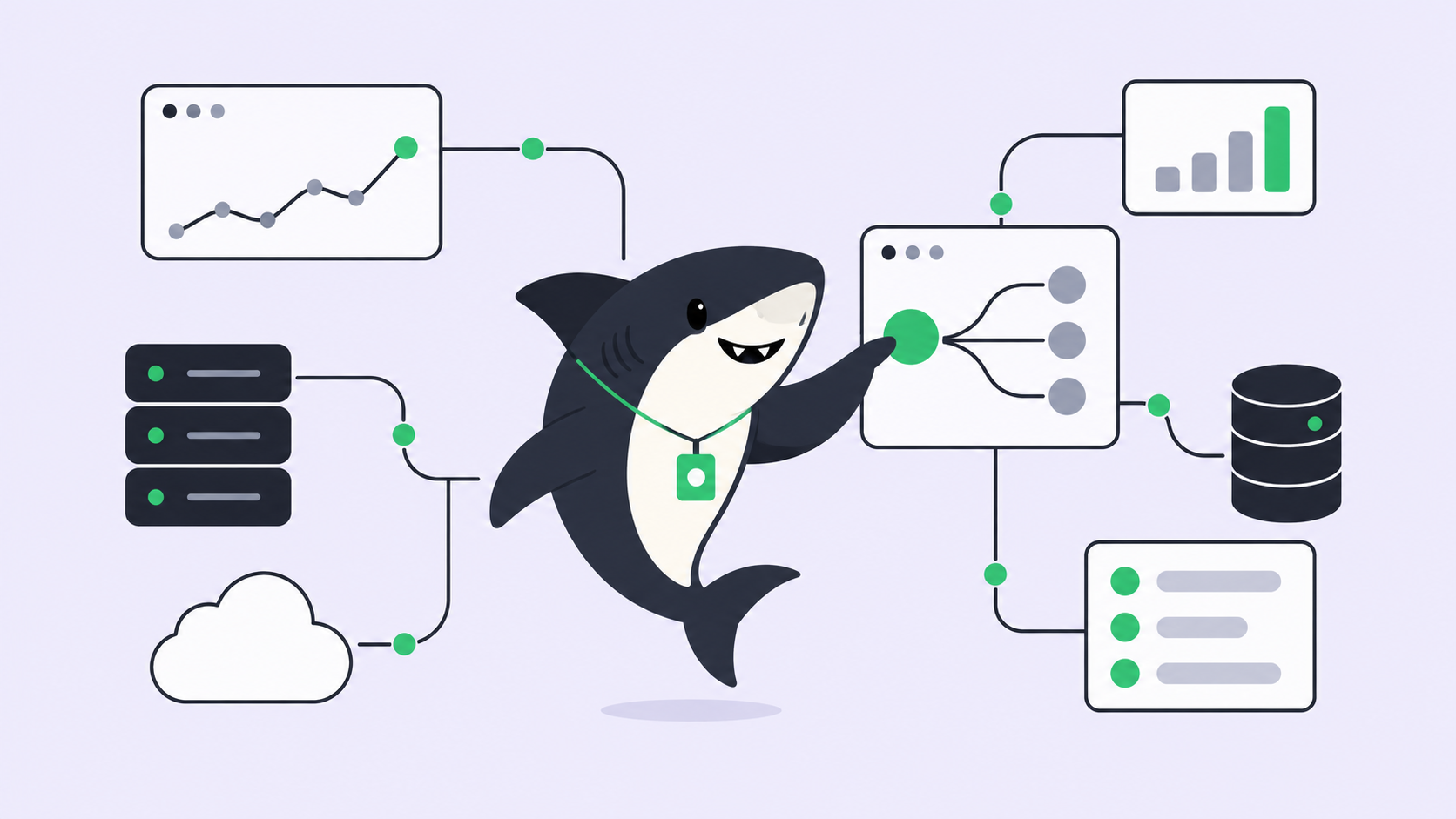
Nothing about that week needed Full on the board. Full did the part that was not yet a Task. Wonder did the Tasks. The record shows who did what and on which model, because the Agent’s instructions put the model id at the top of every report and the lead’s own comment says the plan came from a Muse Code session. That is the division of labor Sharkly is built around: execution tools do the work, the board keeps the assignment, context, blockers, results and review visible across them.
The failure version of the same week is easy to picture too. The lead does all four pieces in Full because it is right there, pushes a branch on Thursday, and the team reviews a 2,000-line diff with no run log and no idea which parts the model was unsure about. Faster on Monday, slower by Friday.
Will Full come to the API?
Meta’s developer blog says Full is available only through Muse Code subscriptions and gives no timeline. The commercial logic is visible: Full is the reason to pay $50 a month, and a per-token price would compete with that. Meta has also shipped three API dialects, documented Claude Code and Codex on Wonder, and put Wonder on Vercel and Cloudflare in launch week, so the API is not an afterthought. The likeliest path is that Full arrives on the API once the next model takes its place at the top of Muse Code. Plan lanes on Wonder, and revisit when the model page changes.
The decision in one table
| Situation | Use |
|---|---|
| Scoped Task with an acceptance criterion | Wonder lane on the board |
| Unscoped spike, personal debugging | Full in Muse Code, then write the Task |
| Terminal-heavy or knowledge-heavy Task | Opus 5.5 or Astra lane |
| Review of any of the above | A person, on the Task, with the model id in view |
A model four points better than the one your Agents can run is a reason to keep a subscription, not a reason to move work off the board. The runs that matter are the ones everyone can see.