No. Gemini 4 Argon has been generally available since October 13, 2026, and none of the routes to it is free. Google’s pricing page says Argon is not available on the Gemini API’s Free tier; the paid tier charges $2 per million input tokens and $10 per million output through November 30, then $4 and $20 from December 1. Consumers get it through paid subscriptions: Google AI Pro and Ultra in the Gemini app and Search, and Ultra in Antigravity. None of those subscriptions is an API key, and since June 18 none of them includes Gemini CLI.
For a team already running several agents, the useful question is narrower: what does a Gemini Agent cost on Argon, and which route can a Runtime actually use? Split the bill into lines and it gets clearer. The coordination line can be $0. The model line can’t, for Argon. And a model that can write close to 1M tokens in one answer puts more finished work in front of the same reviewers, which no plan discounts.
TL;DR
As of October 15, 2026, Argon has no free API tier and no free consumer route. The route a Runtime can use is a paid Gemini API key in Gemini CLI, with one caveat: Google hasn’t said Gemini CLI supports Argon, so smoke-test it before you assign a Task. OpenCode’s offer of $60 of usage for $10 through November 30 is a cheap third-party route, not a free one. Gemini 3.8 Flash on a paid key stays at $0.75 and $3.75 through December 31, and Sharkly’s seat line stays $0 for organizations of up to 10 people.
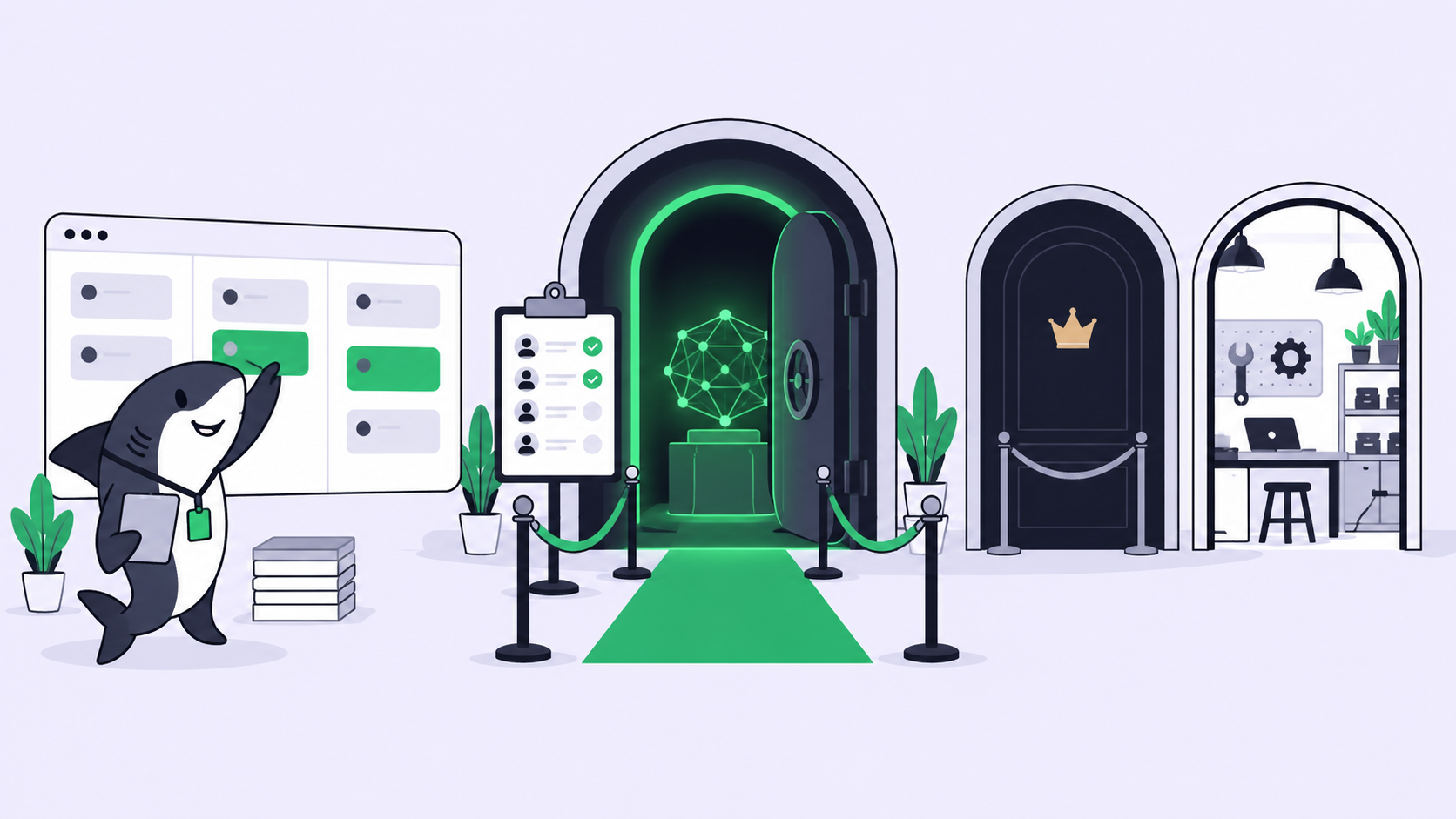
Every route to Argon, and whether a Runtime can use it
A Runtime is the agent tool on a Computer that performs the actual session, here Gemini CLI. It needs a credential it can use unattended. That one requirement removes most of the routes people ask about:
| Route | Cost | Argon? | Can a Runtime use it? |
|---|---|---|---|
| Gemini API, paid tier | $2/$10 per 1M through Nov 30, then $4/$20; Batch and Flex half | Yes, gemini-4-argon |
Yes, through a paid key, if Gemini CLI accepts the model; smoke-test it |
| Gemini API, Free tier | $0 | No | No |
| Google AI Pro | $19.99 a month (US) | In the Gemini app and Search | No. Consumer plans lost Gemini CLI on June 18 |
| Google AI Ultra | $99.99 or $199.99 a month (US) | In the Gemini app, Search, and Antigravity | No, for the same reason |
| Gemini app, free | $0 | Not listed; Google names Pro and Ultra | No. A chat window for a person |
| OpenCode Go | “$60 usage for $10 til Nov 30,” per OpenCode | Yes, per OpenCode | Its own plan and bill; not tested in a Sharkly run |
| Cursor | $2/$10 per 1M, per Cursor | Yes | Cursor’s own editor and bill, outside Sharkly |
| Fairwind Program | Eligibility-gated | Yes, since September 30 | No documented path; internal security teams only |
The Free tier has no Argon. Google’s pricing page puts it plainly: Argon “is not available on the Free tier or on the Google AI Pro plan.” That sentence is about API plans. Pro subscribers do get Argon in the Gemini app, which is a different product: a chat window for a person, not a key for a Runtime.
Pro and Ultra are not API keys. On June 18 Gemini CLI stopped serving Google AI Pro, Ultra, and free Code Assist for individuals accounts; per Google’s transition notice, it remains available through paid Gemini API keys, Gemini Enterprise Agent Platform keys, and Code Assist Standard or Enterprise licenses. Ultra subscribers can also use Argon in Antigravity, but Google’s Antigravity FAQ says third-party harnesses may not use an Antigravity login, so it is a tool for a person, not a credential for a Crew.
Third-party routes are cheap, not free. OpenCode says Argon is in OpenCode Go at “$60 usage for $10 til Nov 30,” and Cursor added it at $2/$10 per million tokens. Both are someone else’s plan with someone else’s bill, and neither is a Gemini API key for Gemini CLI. We have not tested either route with Sharkly, so treat both as outside this setup.
Fairwind was never a discount program. The Fairwind page opens applications to governments, critical infrastructure operators, and core technology platforms, with background checks and access limited to internal security teams. That cohort got Argon about two weeks before general release. A product team’s coding Crew was never the use case.
The two lines a team actually pays for
A Crew’s cost is two bills from two vendors, and “free” applies to at most one of them.
Seats. Sharkly’s pricing is currently $0 for organizations of up to 10 people, and $7 per user per month billed yearly above that. Agents, Crews, Computers, and Runtimes don’t take seats, so adding a fifth Gemini Agent changes nothing on this line; hiring the eleventh person does. Sharkly pricing explained covers the mechanics.
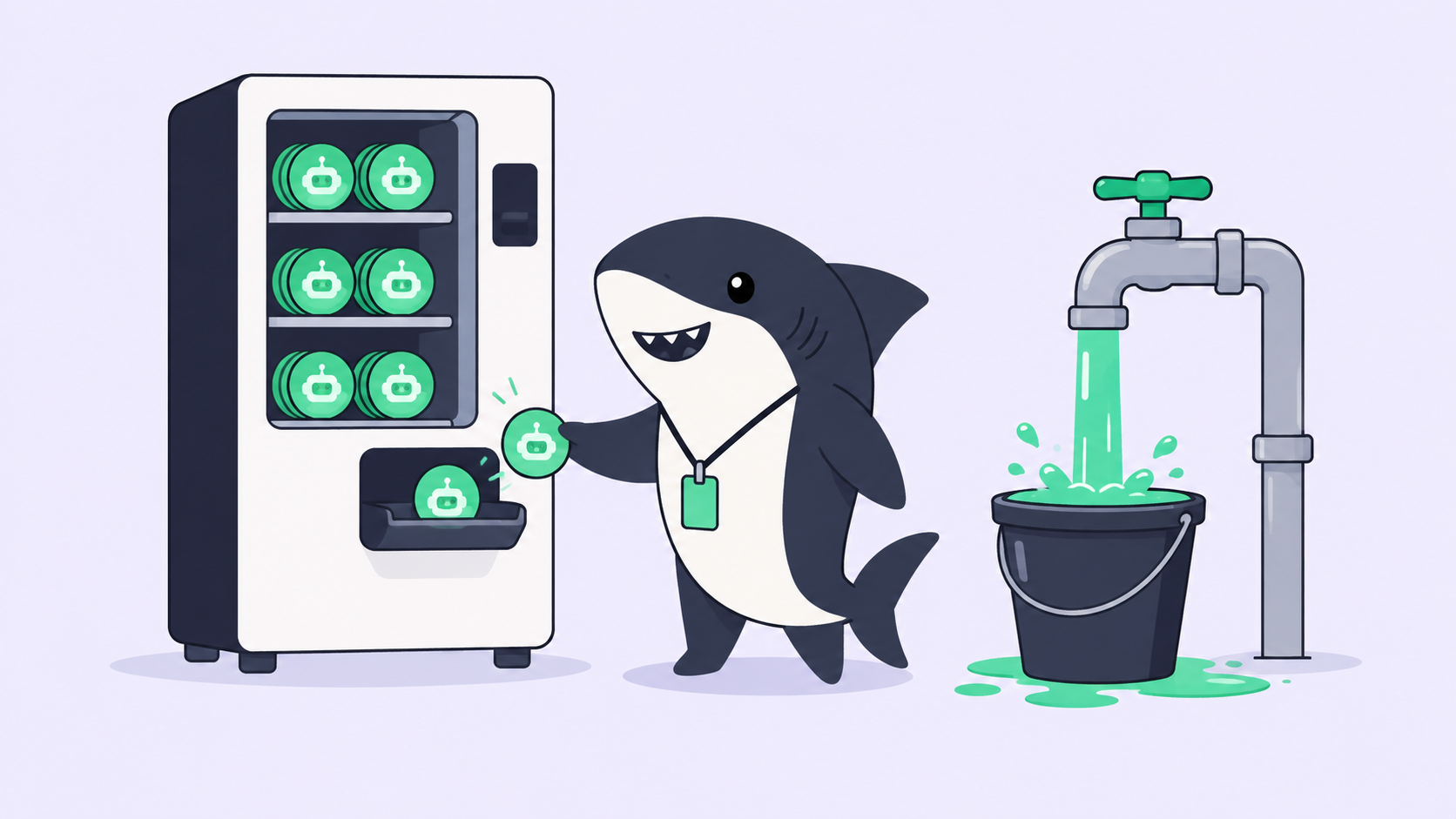
Model usage. Sharkly does not sell tokens. Model usage continues through the subscriptions or API keys configured in those tools, which for a Gemini CLI Runtime means the paid Gemini API key on the Computer. That is bring-your-own-key, and it means Argon’s price lands on your Google bill, not on ours.
Review is the line nobody invoices. Agents research, execute, test, and report. People set direction, grant authority, and accept the result, and that second sentence costs the same on every model.
What you can run cheaply on a paid key
Gemini 3.8 Flash. gemini-3.8-flash costs $0.75 per million input tokens and $3.75 per million output through December 31, then $1.50 and $7.50. Pin it explicitly, because Gemini CLI’s default auto routes between models and can fall back to another one on quota errors:
export GEMINI_API_KEY="your-paid-project-key"
export GEMINI_MODEL="gemini-3.8-flash"
gemini -p "Reply with the word ok."
If that answers in a plain terminal on the Computer, the Gemini CLI Runtime can use it. The full Agent setup, and the one-value switch to gemini-4-argon with its smoke test, is in Gemini 4 Argon for coding agents.
About free-tier keys. Gemini 3.8 Flash has a free API tier, which is fine for calling the API from your own code. Argon has none. Whether a free-tier key works in Gemini CLI at all, Google hasn’t said: its notice names paid keys, and the Gemini CLI site says the unpaid tier was replaced. Don’t build a Runtime on it. Our free AI API key guide covers where free keys do make sense.
A mixed Crew. Nothing says every Agent on a board runs the same Runtime. Use Flash for routine members, put long-context work on Argon once your smoke test passes, and send terminal-heavy or GUI work to a Claude Code or Codex Agent, where Google’s own table shows other models ahead. What a Crew costs on free and cheap tiers works through that split, and the Sonnet 5.5 version of this question lands on a similar answer for Claude Code.
What a Crew spends on Argon
Here is a sketch with its inputs showing. Take four Agents finishing five Tasks each per workday for 20 workdays: 400 Tasks a month. Use Artificial Analysis’s measured average of about 62K output tokens per task for Argon, and assume 200K input tokens per Task with half served from cache at Google’s 95% discount. At the rates that run through November 30, that is $248 of output, $80 of uncached input and $4 of cached input, about $332 a month or $0.83 per Task. From December 1 it doubles to about $664. The four Agents take no Sharkly seats, so for a team of up to 10 people the seat line stays $0. Artificial Analysis’s own run of its index cost $1.99 per task at the current rates, a reminder that input-heavy work costs more than this sketch.
Two details move that number. Argon dropped explicit caching, so cache hits depend on Google’s implicit caching, which applies to prompts of 4,096 tokens or more; the half-cached assumption is something to measure, not set. And Batch and Flex inference cost half, though whether a Runtime’s requests can use them depends on the tool.
The variable that hides is tokens per task, not price per token. Artificial Analysis measured about 62K output tokens per task for Argon against about 27K for GPT-6 Astra at its max setting. Astra lists at $50 per million output tokens, five times Argon’s current rate, yet at those counts the output side of a task costs about $1.35 on Astra and $0.62 on Argon, rising to $1.24 from December 1. A cheaper token is not automatically a cheaper Task, which is the argument in when cheap models cost more. Measure on your own Tasks before you set a budget.
The short answer, kept short
Argon is open to anyone with a paid key, and free to nobody. The route that matters to a Crew is a paid API key in a Runtime, and the routes most people hear about first, the Pro and Ultra subscriptions, are the ones that cannot drive Gemini CLI. The Gemini Agent you set up on Flash keeps working while you test Argon, and the assignment, progress, results, and review stay on the board whichever model wins next. If you’re already running several agents, Sharkly gives you one place to manage their tasks and results.