Yes, OpenCode is free. The agent is open source under the MIT License, its homepage says “OpenCode is 100% free to use,” and it ships with free models you can run “without creating an account.” The catch is in the models, not the app: every free one is offered for a limited time, answers only inside OpenCode, and sits behind a usage limit that OpenCode does not publish.
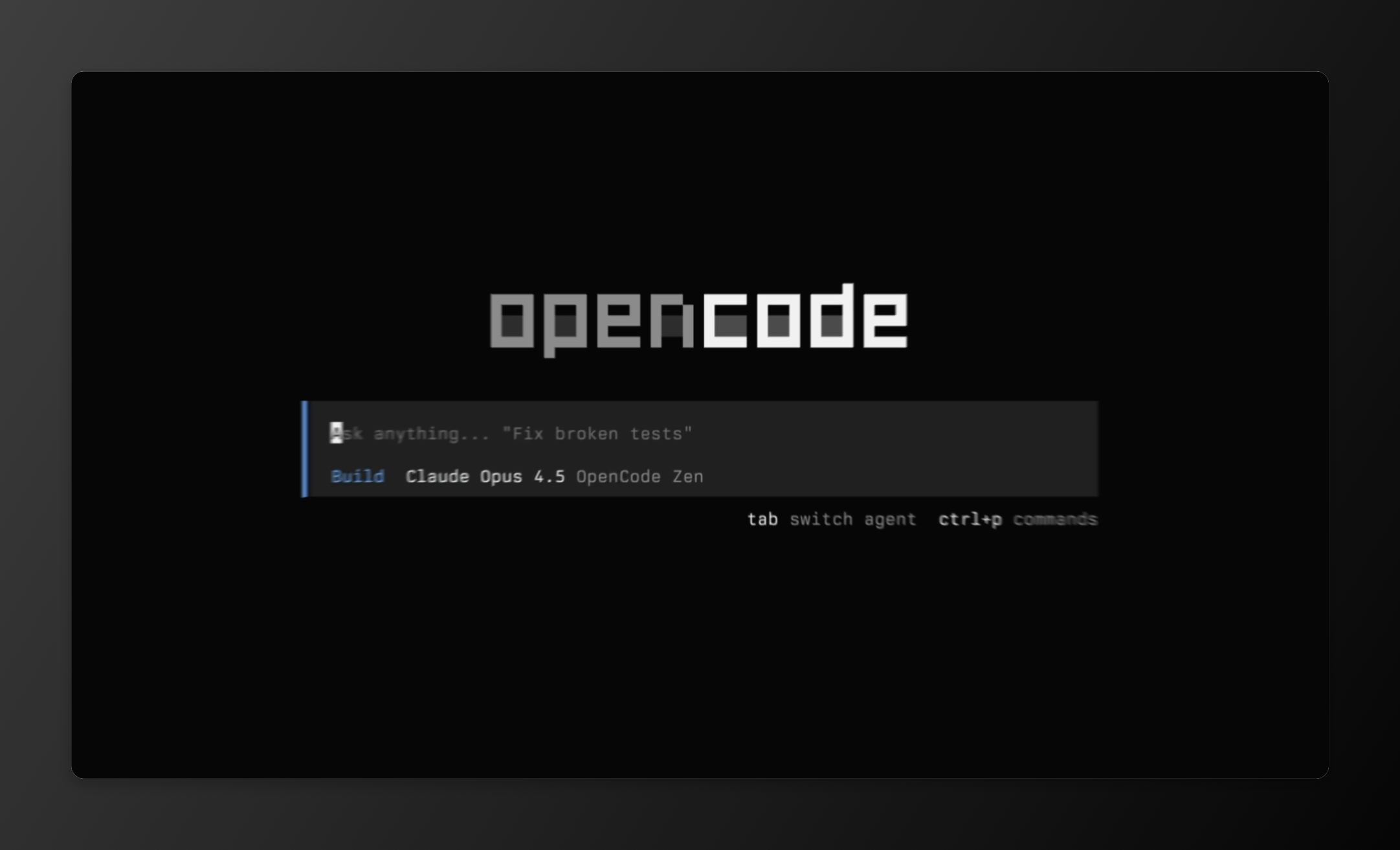
OpenCode is an open source coding agent for the terminal, desktop and IDE that can drive any model from 75+ providers, including a set of free models served through OpenCode’s own Console (the provider the site also calls Zen).
What’s free and what you pay
| Route | Cost | The cap | What you pay past it |
|---|---|---|---|
| OpenCode app (CLI, desktop, IDE) | $0, MIT License | None on the app itself | Nothing |
Free Console models (opencode/*-free, big-pickle) |
$0, no sign-in | “Limited time”, OpenCode-only, unpublished usage limit | OpenCode Go or pay-as-you-go credits |
| Local models (Ollama, LM Studio, vLLM) | $0 plus your hardware | Local RAM, GPU and speed | Nothing |
| OpenCode Go | $10/month (Go Plus $40/month) | Plan usage limits, single-member workspace | Go Plus, or Console credits |
| Console pay-as-you-go | Per token, plus a 4.6% + $0.31 fee per credit purchase | Your balance and budgets | More credits |
| A subscription you already have | Your Claude Pro/Max, ChatGPT Plus/Pro or GitHub Copilot plan | That plan’s limits | That plan’s overage |
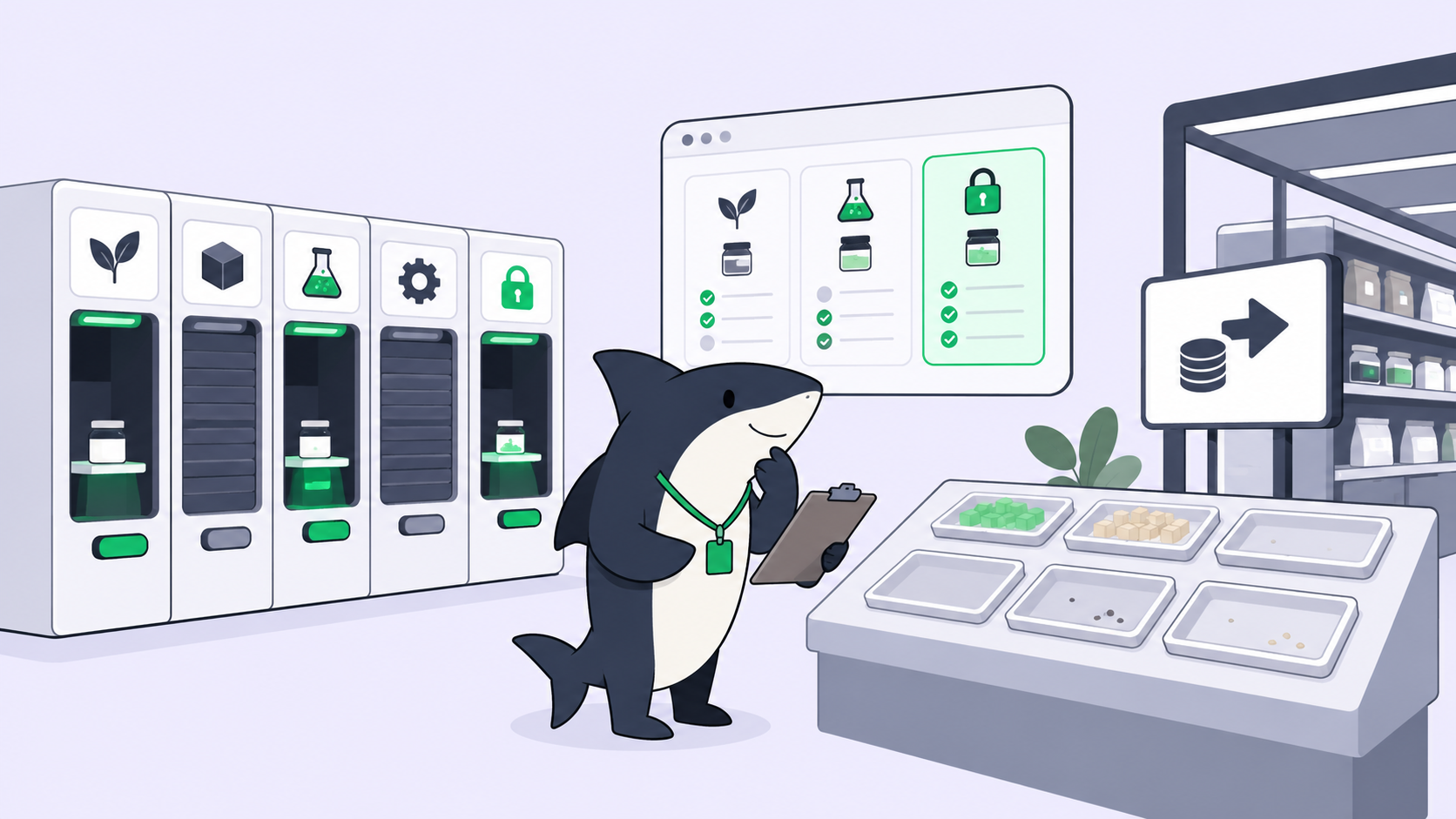
The free model list today
The OpenCode models page (the old Zen docs URL now redirects there) listed these at $0 input, output and cached read on October 23, 2026. The data terms come from the same page and matter more than most readers expect.
| Model (ID) | Data terms per the docs |
|---|---|
DeepSeek V4.1 Flash Free (deepseek-v4.1-flash-free) |
Zero retention, no training |
GLM-5.3-Flash Free (glm-5.3-flash-free) |
Zero retention, no training |
LongCat 2.5 Preview Free (longcat-2.5-preview-free) |
Zero retention, no training |
Beam Free (beam-free) |
No training, retained 30 days, not available in some regions |
Big Pickle (big-pickle) |
Stealth model; data “may be used to improve the model” |
Flint 40B Free (flint-40b-free) |
May be used to improve the model, retained 30 days |
| Exo Free, MiMo-V2.6-Flash Free, MiMo-V2.5 Free | May be used to improve the model |
| Nemotron 3 Ultra Free, Nemotron 3.5 Lightning Free, Nemotron 3.5 Super VL Free | NVIDIA trial endpoints: “do not submit personal or confidential data”; use is logged |
Jev 1.13 Free is also listed, but it is a structured-decision model rather than a coding model, so it is not ranked here.
Two details the docs do not tell you. First, the CLI’s own catalog disagrees with the page. opencode models opencode in version 1.19.4 listed minimax-m3.1-flash-free, which the docs no longer show, and did not list Exo, LongCat or MiMo-V2.5. Selecting those three, and the listed MiniMax model, failed at once with UnknownError. Second, the page says every model is “free on OpenCode for a limited time” with no end date. Treat the list as a snapshot.
What we ran on October 23, 2026
We installed OpenCode 1.19.4 with npx -y opencode-ai@latest (no account, no API key, no auth.json) and gave each free model the same task in its own empty directory:
npx -y opencode-ai@latest run --auto --model opencode/deepseek-v4.1-flash-free \
  "Write fizzbuzz.py with a function fizzbuzz(n) ... Write test_fizzbuzz.py with unittest tests for it. Then run: python3 -m unittest test_fizzbuzz -v and report the result."
Each run had a four-minute cap, and we re-ran the tests ourselves afterwards to check the files.
The result was not what we expected. The first request from every model came back with the same error:
Free usage limit reached. Subscribe to OpenCode Go to keep going: https://opencode.ai/go
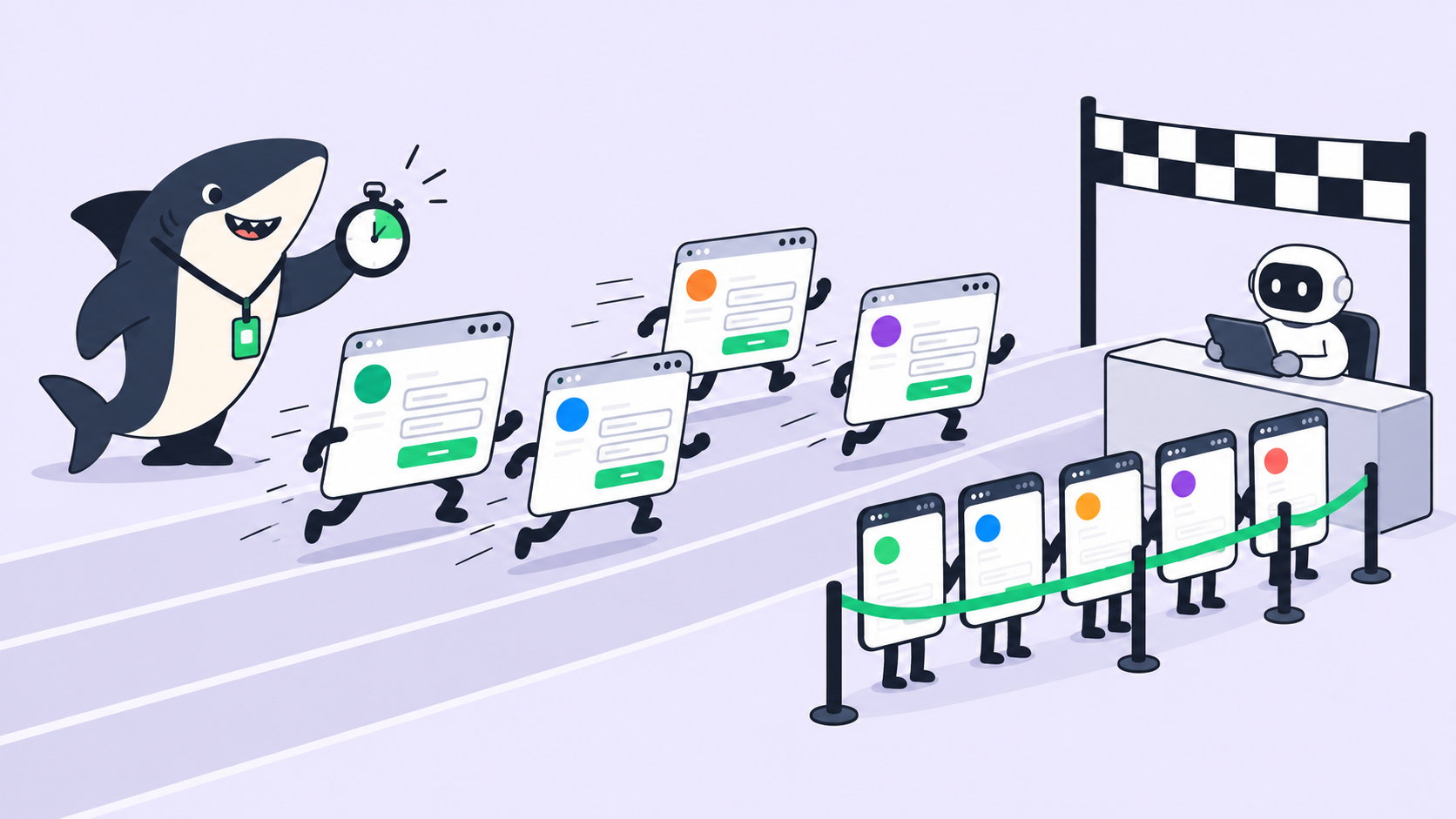
That happened on DeepSeek V4.1 Flash Free, GLM-5.3-Flash Free, Beam Free, Big Pickle, Flint 40B Free, MiMo-V2.6-Flash Free and all three Nemotron models. A second, sequential pass about ten minutes later got the same error. No file was written, no test ran. OpenCode retried three times and then sat silent until our cap killed it, so in a script the failure looks like a hang unless you pass --print-logs.
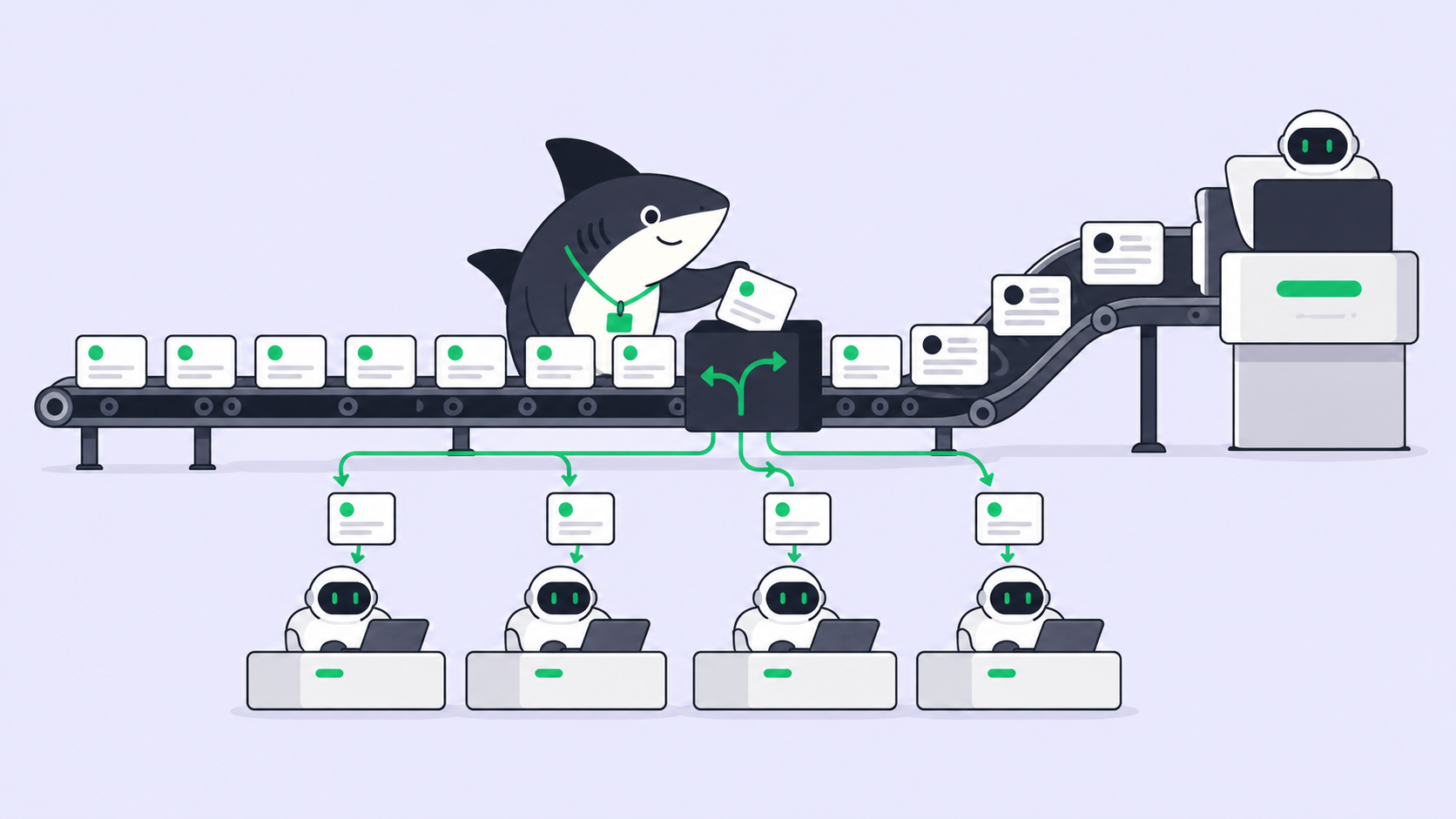
The limit is shared across models: switching from one free model to another did not help. It was hit on our very first request of the session, so nothing we ran used it up. We could not tell whether it is counted per network, per device or globally, and OpenCode’s docs do not state its size or when it resets.
This is one small task on one day from one network. It is not a benchmark, and it tells you nothing about model quality. It does tell you something about the free tier: it can be unavailable when you need it, with no warning.
For contrast, in an earlier test on October 16, 2026, OpenCode 1.19.2 on opencode/deepseek-v4.1-flash-free finished a write-and-run task in 32 seconds with no sign-in.
The ranking
Because no model completed the task today, we cannot rank on speed or pass rate from today’s runs. What we can rank on is what you can verify: whether the model reached the inference step in the current CLI, whether we have ever seen it finish a task, and what happens to your code.
- DeepSeek V4.1 Flash Free. Zero retention, no training, in the 1.19.4 catalog, and the only free model we have logged finishing a write-and-run task (32 seconds on October 16). Blocked today by the shared limit.
- GLM-5.3-Flash Free. Zero retention, no training, in the catalog. Blocked today by the shared limit; no completed run on record from us.
- Beam Free. No training, but kept 30 days and region-restricted. Blocked today.
- Big Pickle, Flint 40B Free, MiMo-V2.6-Flash Free. In the catalog, but the docs say your data may be used to improve the model. Use them on code you would publish anyway.
- Nemotron free endpoints. NVIDIA’s own trial terms say not to send personal or confidential data. Fine for toy tasks.
- LongCat 2.5 Preview Free, Exo Free, MiMo-V2.5 Free, MiniMax M3.1 Flash Free. Each failed with
UnknownErrorbefore any request was sent: the first three are missing from the 1.19.4 catalog, and MiniMax is missing from the docs. LongCat’s zero-retention terms would rank it high once the CLI catalog catches up.
If you only remember one rule: on private code, pick a model the docs mark zero retention.
Where the free tier stops
Only inside OpenCode. We re-tested this today. A direct call to https://opencode.ai/inference/openai/v1/chat/completions with deepseek-v4.1-flash-free returned HTTP 403 and FreeTierError: “OpenCode’s free tier can only be used from within OpenCode.” The free models are not a free API. For keys you can call from code, see free AI API keys.
Limited time. Every free entry carries that phrase. Models rotate in and out.
An unpublished usage limit. As above, the error points you to OpenCode Go.
Opting out. If your team should never touch free models, the docs say to set OPENCODE_DISABLE_FREE_MODELS=1; free models then disappear and selecting one fails with “Model unavailable.”
The cheapest paid step
The error message names it: OpenCode Go at $10 per month, or Go Plus at $40 for higher limits. Go covers a curated list that includes GLM-5.3-Flash, DeepSeek V4.1 Flash and MiniMax M3.1 Flash, is limited to single-member workspaces, and is completely optional.
Pay-as-you-go is the alternative. On the Console price table, DeepSeek V4.1 Flash costs $0.30 per million input tokens and $1.20 per million output, and GLM 5.3 Flash costs $0.15 and $0.50. Cheap per token is not the same as cheap per task; when cheap models cost more walks through why.
How to set a free model in opencode.json
Pick the model once in opencode.json (or opencode.jsonc) in your project or ~/.config/opencode/, using the opencode/<model-id> format from the docs:
{
  "$schema": "https://opencode.ai/config.json",
  "model": "opencode/deepseek-v4.1-flash-free"
}
Run opencode models opencode first to confirm the ID exists in your installed version. For a single run, opencode run --model opencode/glm-5.3-flash-free "..." overrides the default. For a truly $0 route with no shared limit, point the same field at a local model, such as "model": "ollama/gemma3:4b"; OpenCode discovers Ollama, LM Studio and vLLM at their default local addresses.
If you are weighing OpenCode against paid agents, is Claude Code free? covers the other side of the trade.
Where Sharkly fits
You already have coding agents. Sharkly turns them into a team. It runs the OpenCode, Claude Code or Codex you already have as assignable Agents on your own Computers, each Task in an isolated worktree, with results back on the Task.
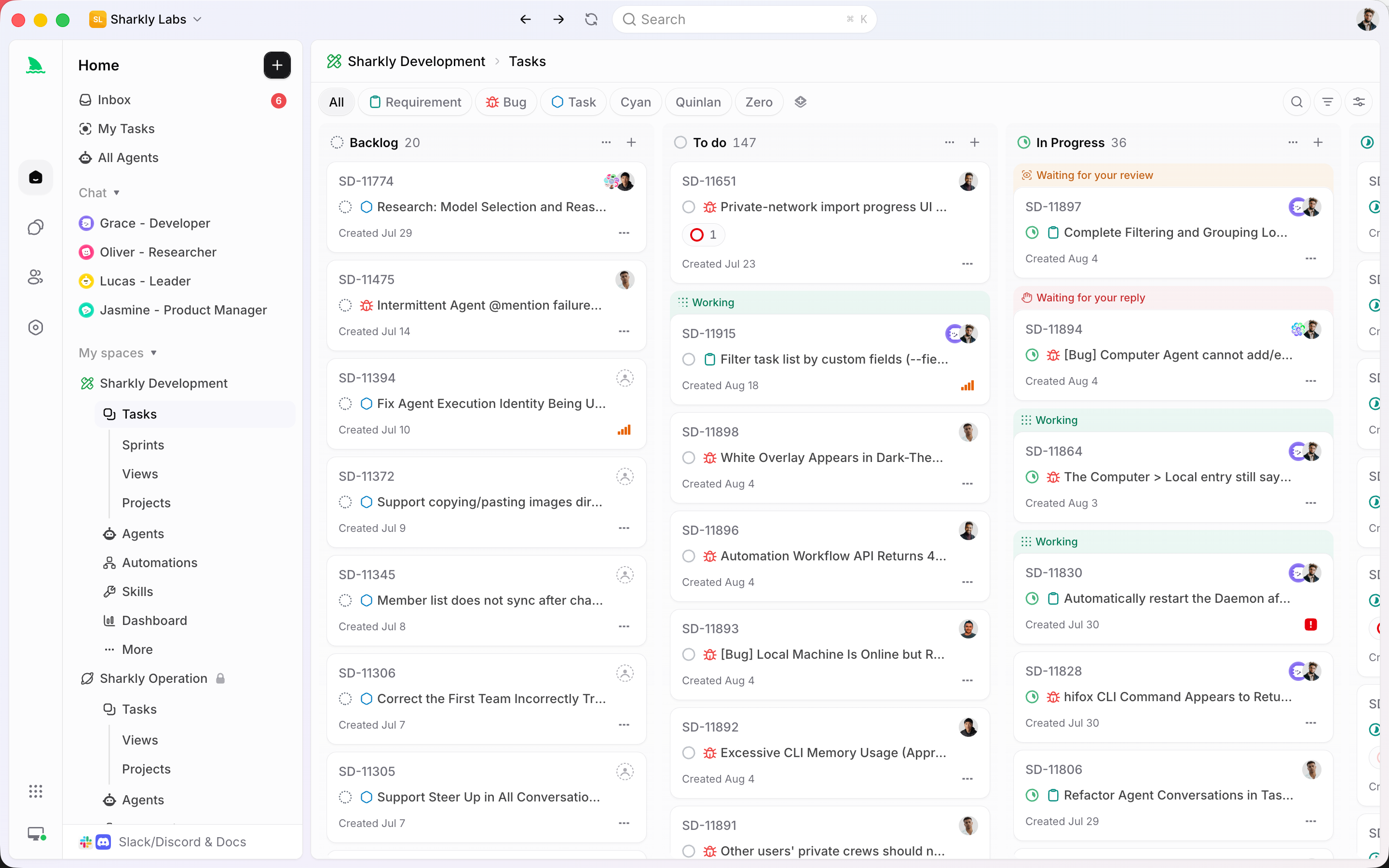
Sharkly does not make any model free and does not change OpenCode’s limits. An Agent follows its Runtime’s default model, so an OpenCode Agent uses whatever model you set in opencode.json on that Computer, free limit included. Per the Sharkly pricing page, Free covers organizations of up to 5 people and Team is $7 per person billed yearly after that; “Guests, Agents, and Computers do not occupy seats,” and “Sharkly does not sell tokens.” Our DeepSeek V4.1 Flash guide shows the OpenCode setup in more detail.
If you run more than one agent, connect them to Sharkly and keep each on the model it already uses.
FAQ
Is OpenCode free? Yes. The app is MIT-licensed and “100% free to use,” and it includes free models that need no account. Costs start only when you connect a paid provider, subscribe to Go or buy Console credits.
What are the OpenCode free models? On October 23, 2026 the docs listed DeepSeek V4.1 Flash Free, GLM-5.3-Flash Free, LongCat 2.5 Preview Free, Beam Free, Big Pickle, Flint 40B Free, Exo Free, two MiMo models and three Nemotron models, all “for a limited time.” Check opencode models opencode for what your version can actually select.
Which OpenCode free model is best for coding? For private code, DeepSeek V4.1 Flash Free or GLM-5.3-Flash Free, both zero retention. DeepSeek is the only one we have seen finish a task. Nothing finished on October 23 because of the free usage limit.
What does “Free usage limit reached” mean? You hit OpenCode’s free-tier cap, which applies across all free models. OpenCode does not publish the size or reset time. Wait, switch to a local model, or move to Go.
Can I call OpenCode free models from my own code? No. Direct API calls return HTTP 403 FreeTierError; the free tier answers only the OpenCode app.
Do OpenCode free models train on my code? Some may. The docs mark DeepSeek, GLM-5.3-Flash and LongCat as zero retention, while Big Pickle, Flint, Exo and MiMo “may be used to improve the model” and the Nemotron endpoints log use.