
Ryan Mitchell
 Human-Agent Collaboration
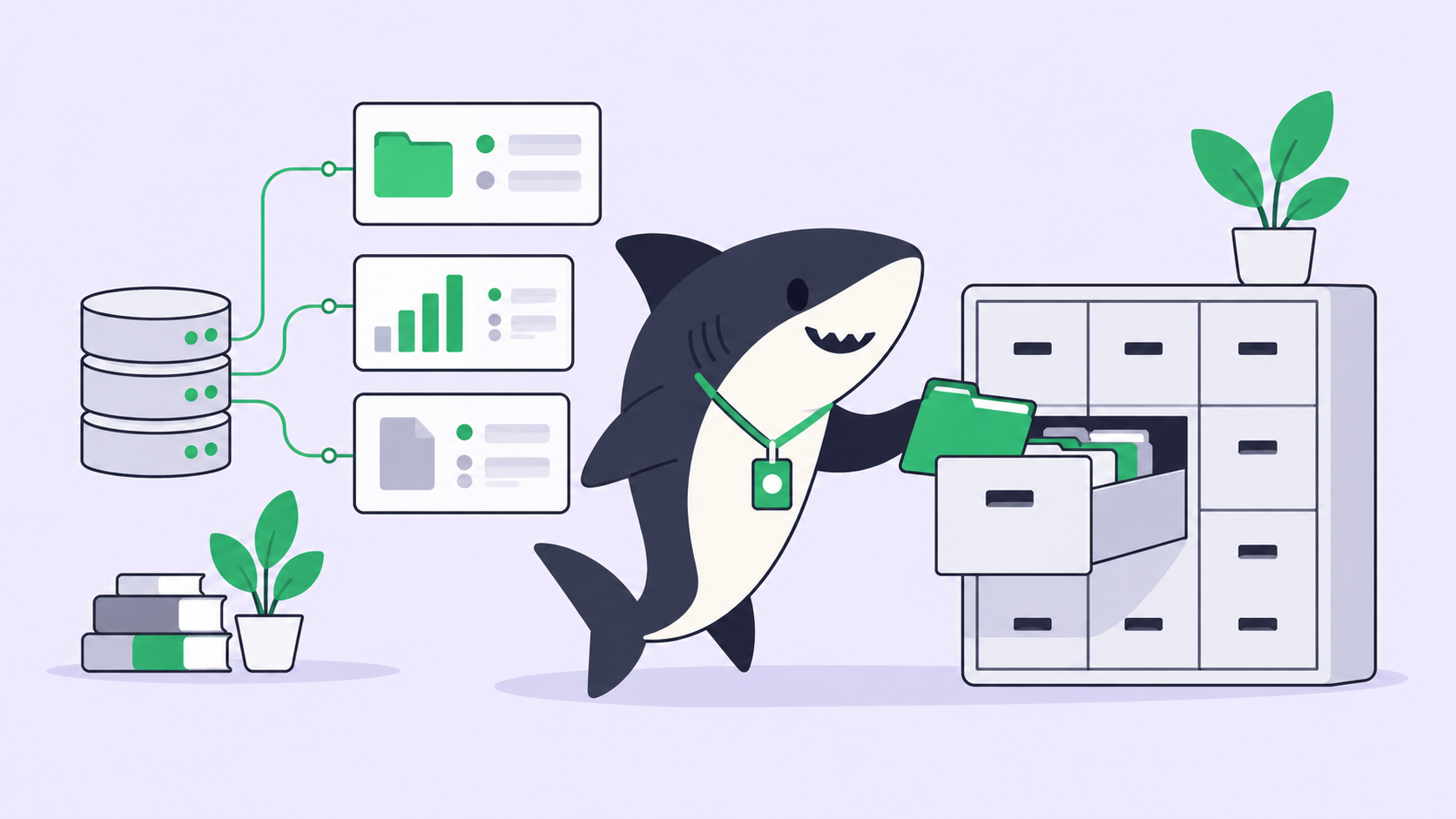
Muse Wonder Full Is Subscription-Only. What That Means for an Agent Team
Muse Wonder Full runs only in Muse Code on a $50+ plan. For a team on a shared board, the strongest model is personal, unlogged, and on Contributor data terms.
Ryan Mitchell
October 15, 2026
 Human-Agent Collaboration
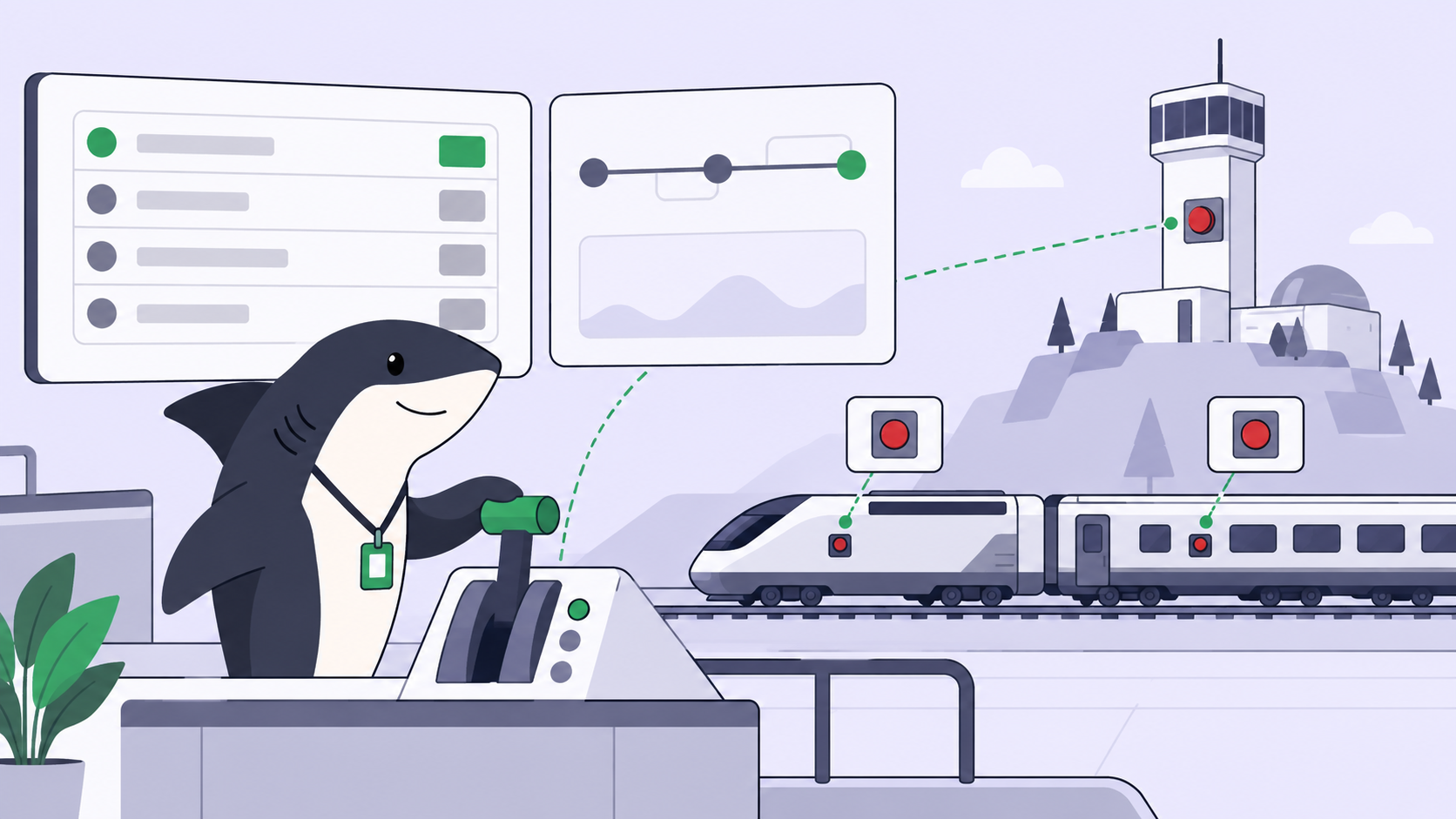
Google Will Stop Argon Mid-Run if It Oversteps. Who Stops Your Agents?
Gemini 4 Argon is now GA on the paid Gemini API, and Google says it will stop the model mid-run when necessary. That protects the world, not your codebase. Map Fairwind's operating rules to crew controls, then write a stop policy for when an Agent pauses for a human.
Ryan Mitchell
October 13, 2026
 Tutorials
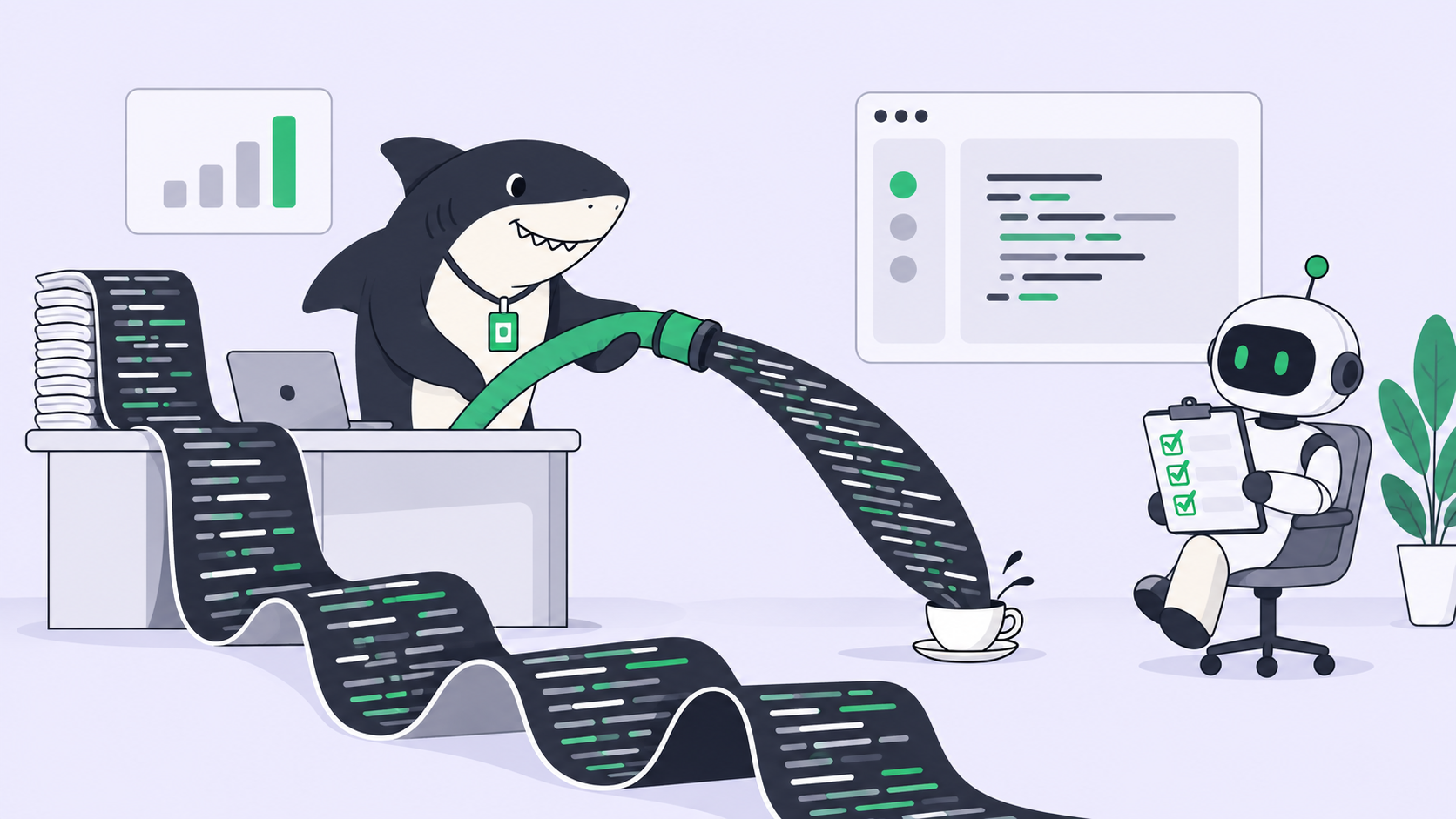
A Million-Token Agent Run Is a Review Problem, Not a Speed Win
Gemini 4 Argon is GA, and one background request can now return about 1M output tokens, roughly $10 a maxed run through November 30 and $20 after. That moves the bottleneck from writing code to accepting it: scope Tasks, put evidence on each, do the review math first.
Ryan Mitchell
October 13, 2026
 Tutorials
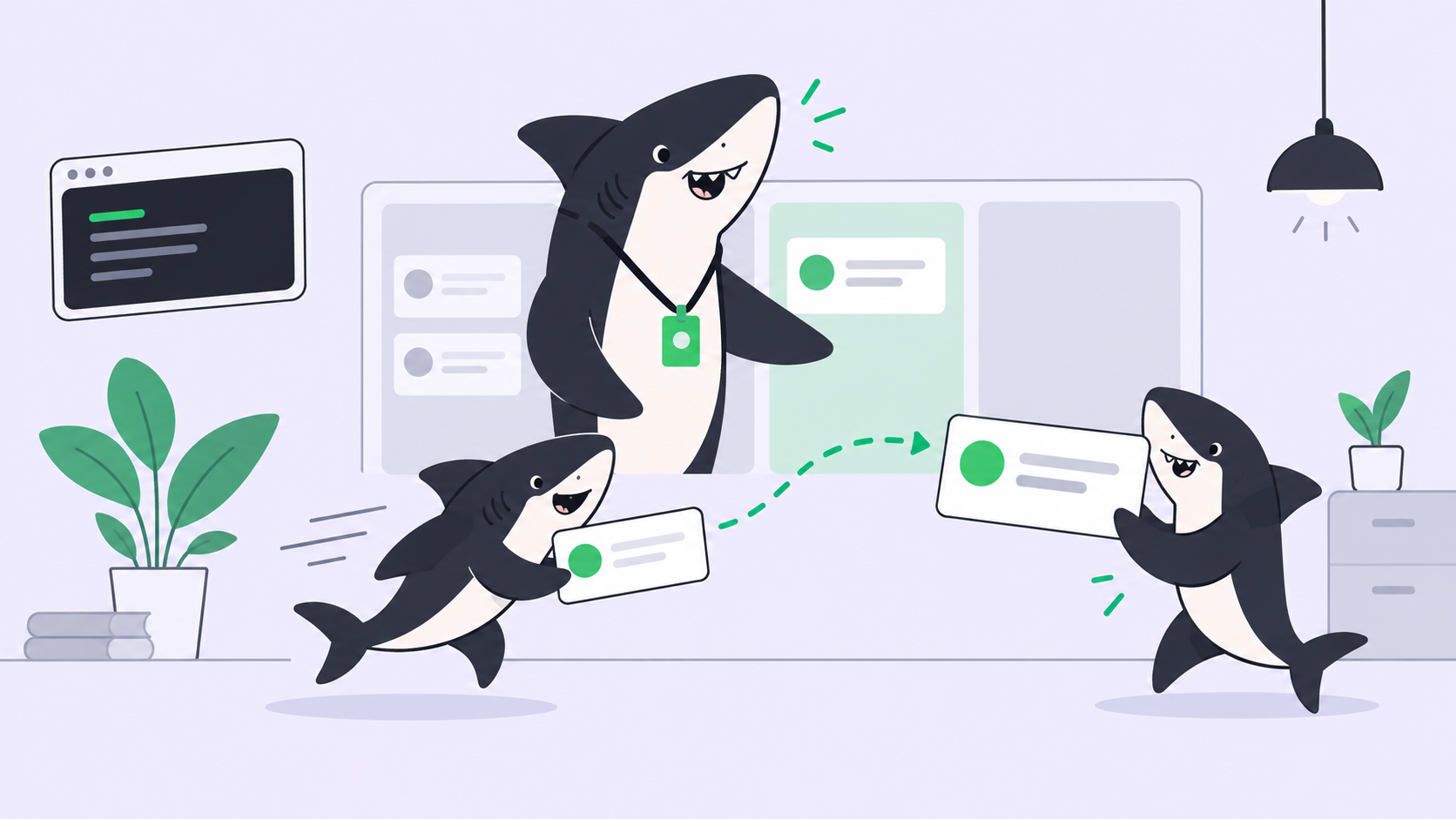
How to Run Claude Sonnet 5.5 Agents in Sharkly
Run Claude Sonnet 5.5 agents in Sharkly: pin claude-sonnet-5-5 in Claude Code on a Computer, tune the Agent for medium effort, and keep Opus 5.5 as reviewer.
Ryan Mitchell
September 29, 2026
 Tutorials
When an Agent Run Outlives Your Workday: Designing Review for 18-Hour Agents
Claude Opus 5.5 stays on task 18+ hours. A run that outlives your day inverts review. The stop condition, waiting state, and owned inbox that make overnight agent runs safe to return to.
Ryan Mitchell
September 23, 2026
 Tutorials
How to Run GPT-6 Sol Agents in Sharkly
Bind gpt-6-sol as a Codex Runtime on one Computer, set up prompt caching before you scale the Crew, size the per-Task timeout for a slow first token, and assign one Task the team can review.
Ryan Mitchell
September 23, 2026
 Human-Agent Collaboration
Mixed-Model Crews: Cheap Workers, an Expensive Reviewer, and the Handoff Between Them
Cheap GPT-6 Luna workers plus a Claude Opus 5.5 reviewer only works if the handoff carries evidence, not a summary. The packet a worker returns, what the reviewer sends back, and the caching math.
Ryan Mitchell
September 23, 2026
 Tools
ToolsHiggsfield Without the Subscription: What You Save and What You Give Up
An even-handed look at what a Higgsfield subscription buys, what the pay-as-you-go route costs instead, and which workflows genuinely need the subscription.
Ryan Mitchell
September 22, 2026
 Tutorials
Grok Imagine for Free: What Works and Where the Limits Are
What Grok Imagine actually gives you at no cost, the clip length and quota limits, whether an official API exists, and what changes if you route it through an aggregator.
Ryan Mitchell
September 22, 2026
 Tools
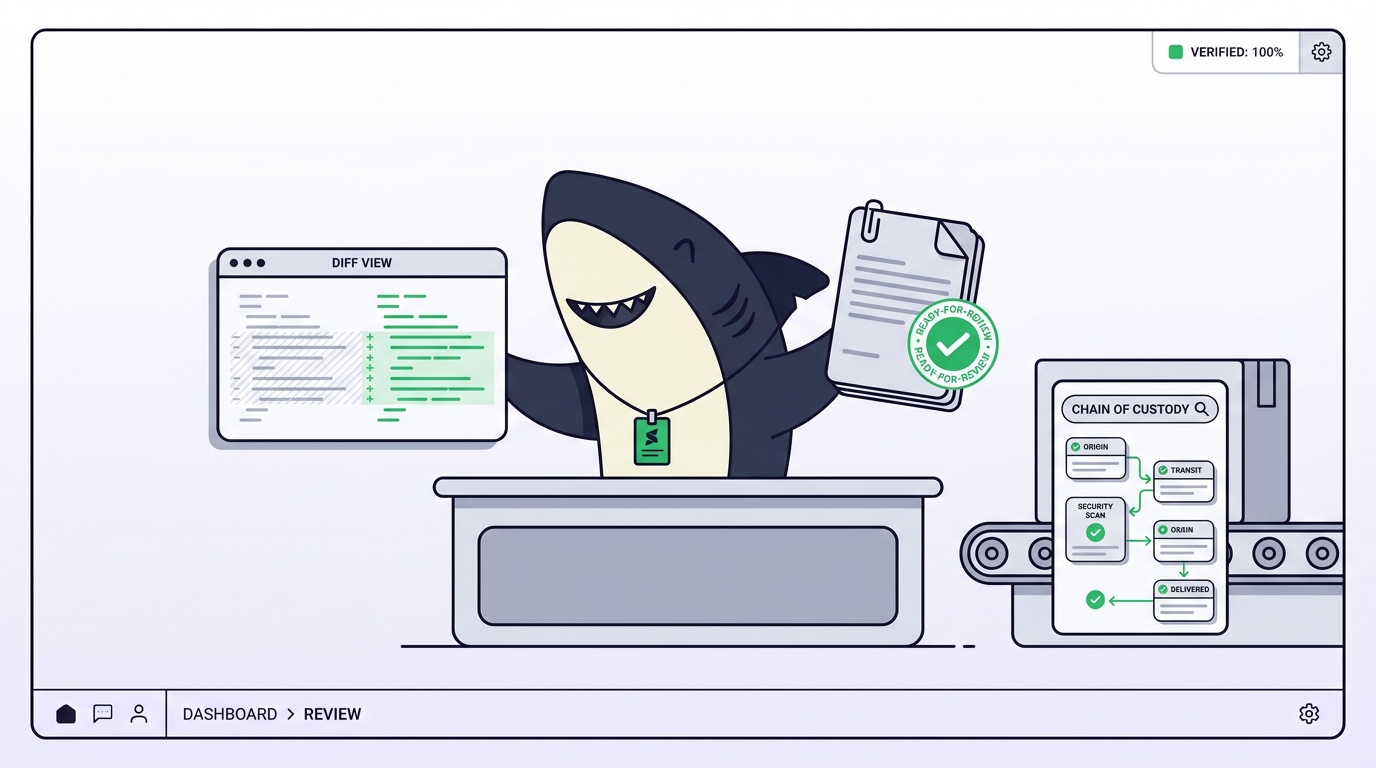
ToolsHow to Review AI-Generated Code With Task-Level Evidence
Review AI-generated code at the task level, not the diff. Learn the roles, statuses, and review gates that let agents produce and verify while humans accept.
Ryan Mitchell
September 20, 2026
 Tutorials
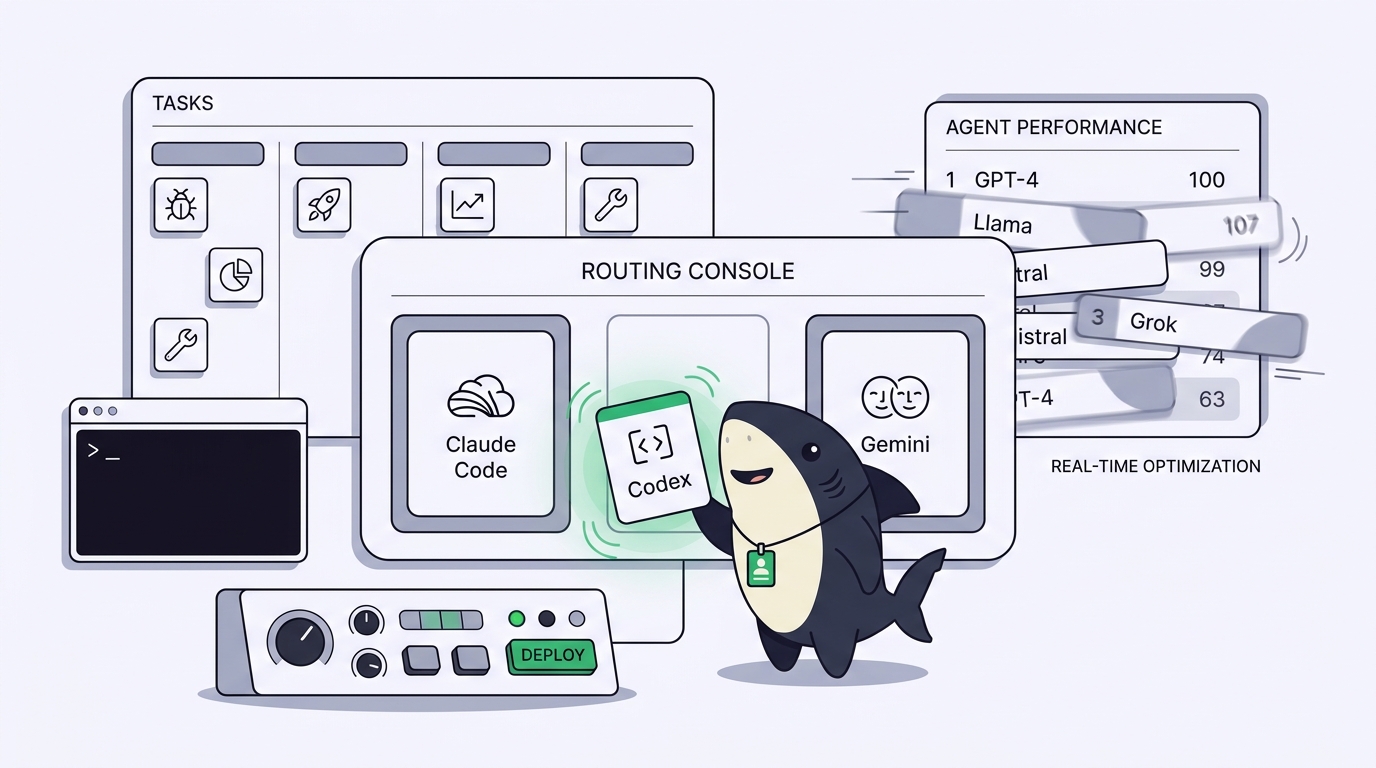
Why the Best Coding Agent Matters Less Than How You Manage Them
The best coding agent changes every month. What decides your output is the management layer around it: which agent is on what, what finished, and how fast you can review it. Here's why, and what to do this quarter.
Ryan Mitchell
September 20, 2026
 Tutorials
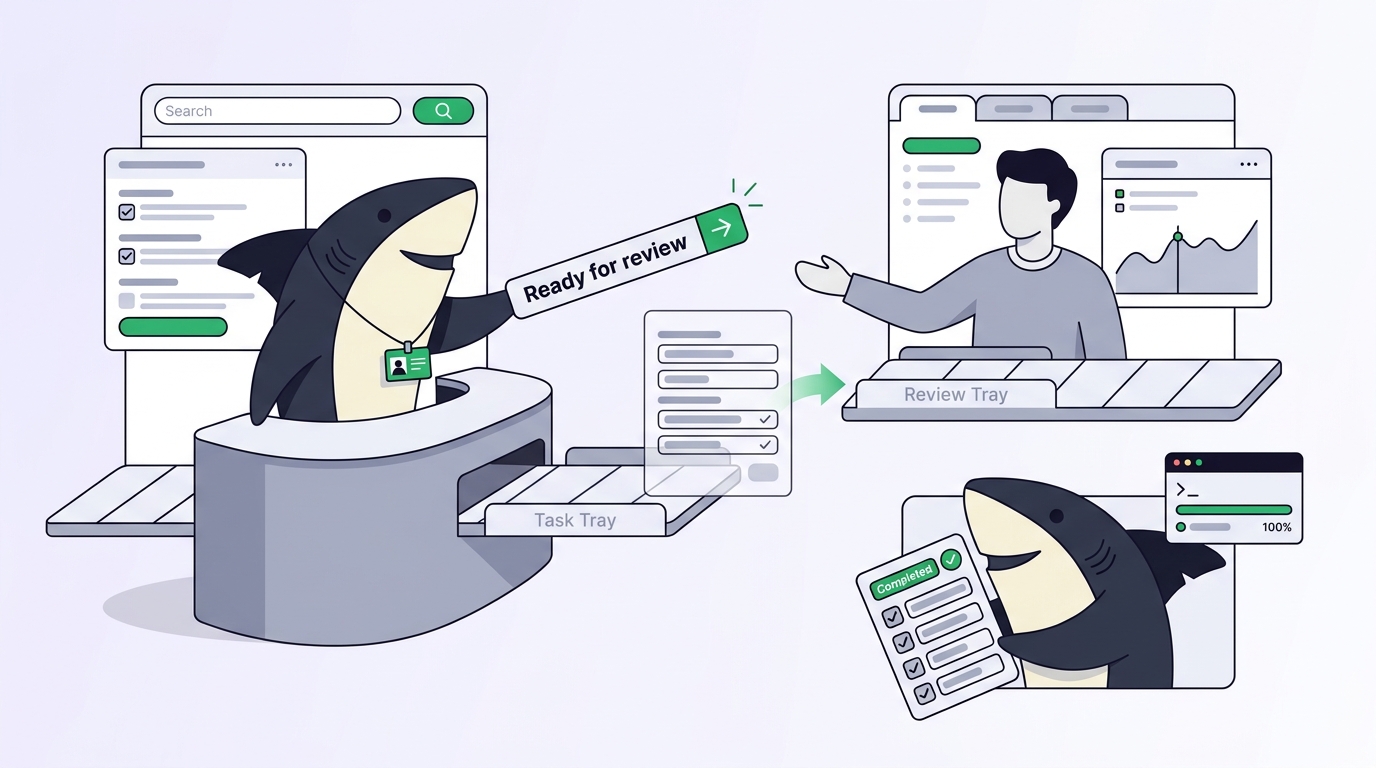
Coding-Agent Handoff Templates: Roles, Statuses, and Review Gates
A coding-agent handoff template is a fixed structure for what a task carries when it changes hands. Two copy-paste templates, the roles and statuses behind them, and a worked example from ticket to merged PR.
Ryan Mitchell
September 17, 2026
 Tutorials
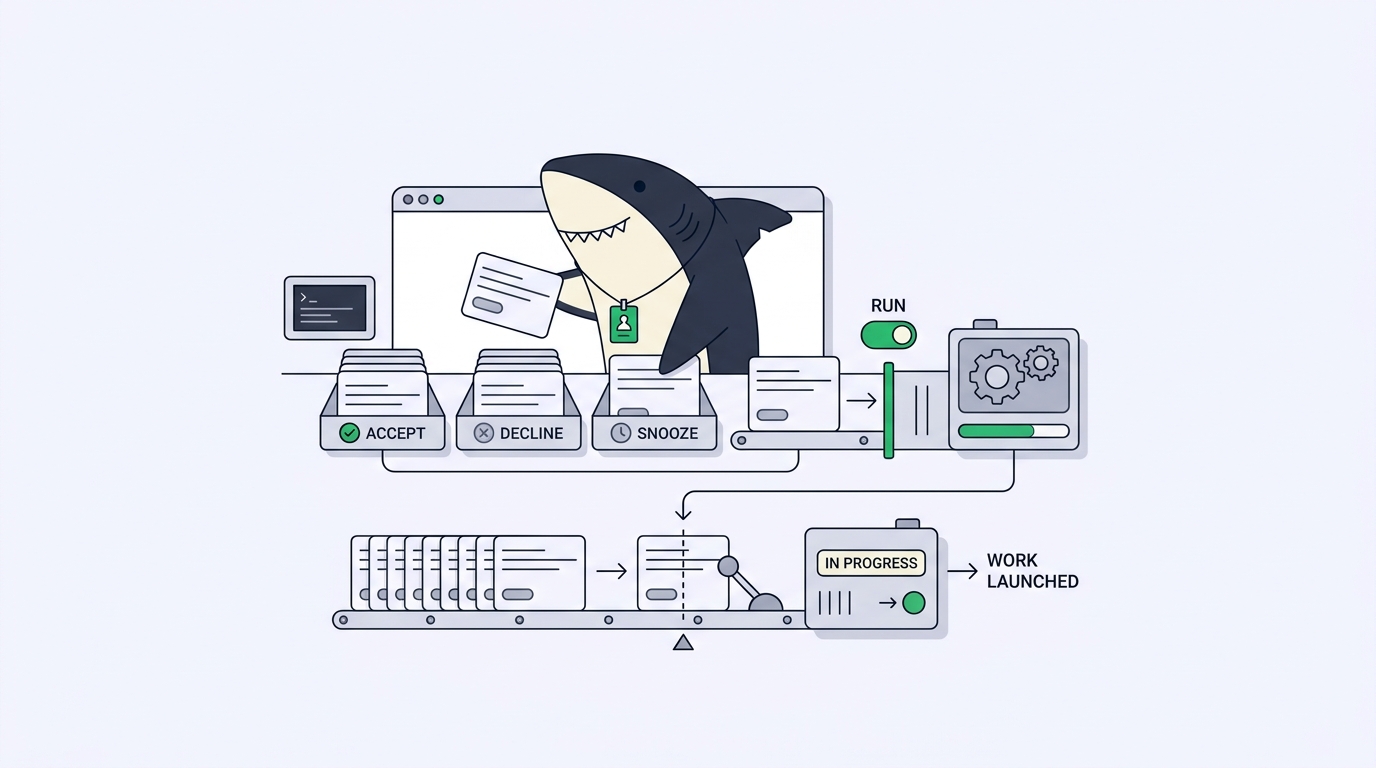
AI backlog management and triage: deciding what agents work on next
How to triage a mixed human-agent backlog when moving a task can start a coding agent. Definitions, failure modes, a step-by-step flow, and a checklist you can run today.
Ryan Mitchell
September 17, 2026
 Tutorials
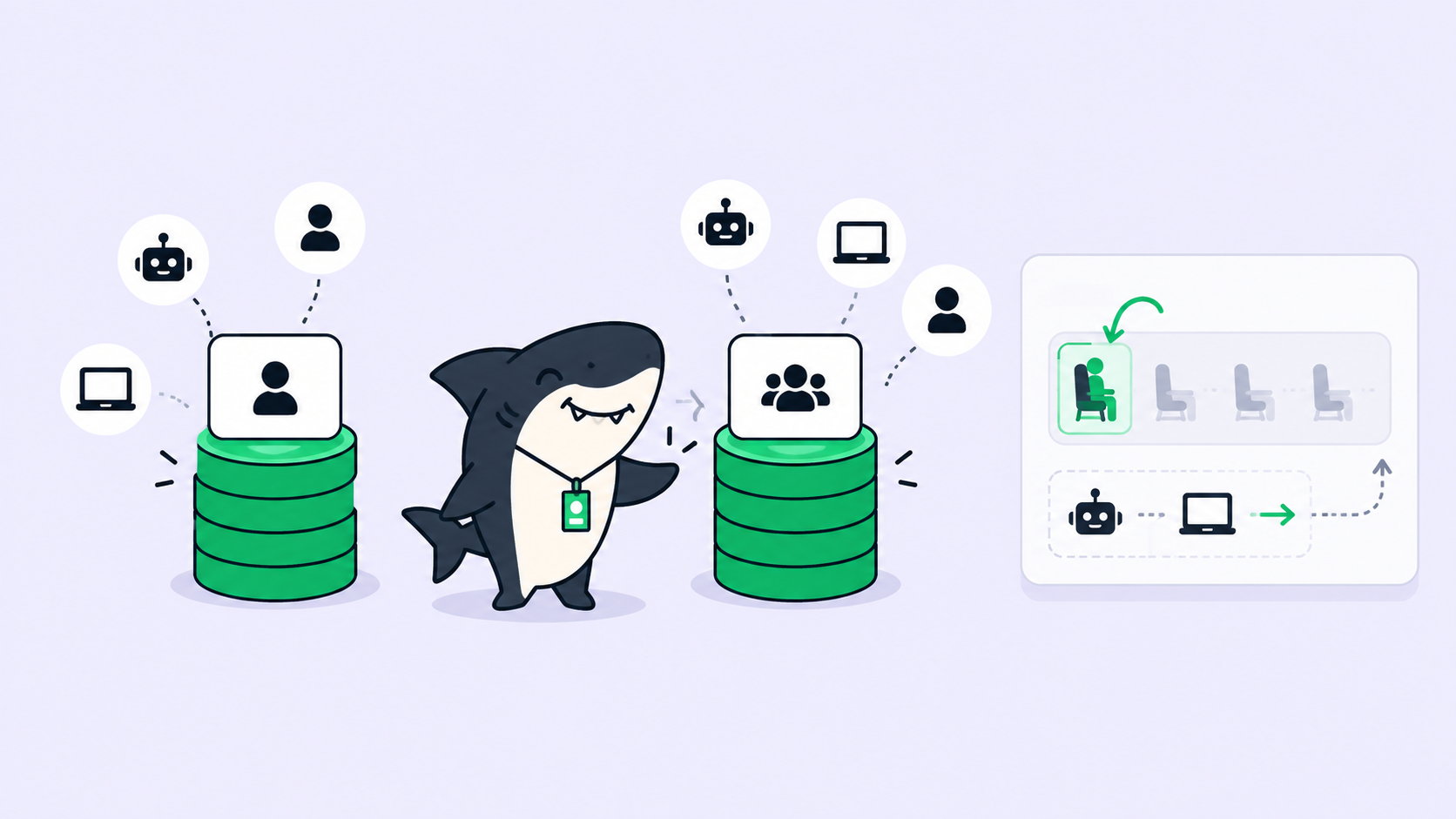
Sharkly Pricing Explained: Free for Teams of 10, and Why Agents Never Take a Seat
Sharkly is currently free for organizations up to 10 people, $7/user/month past that. Agents, Crews, Computers, and Runtimes never occupy a seat, and Sharkly does not sell tokens.
Ryan Mitchell
September 15, 2026
 Tutorials
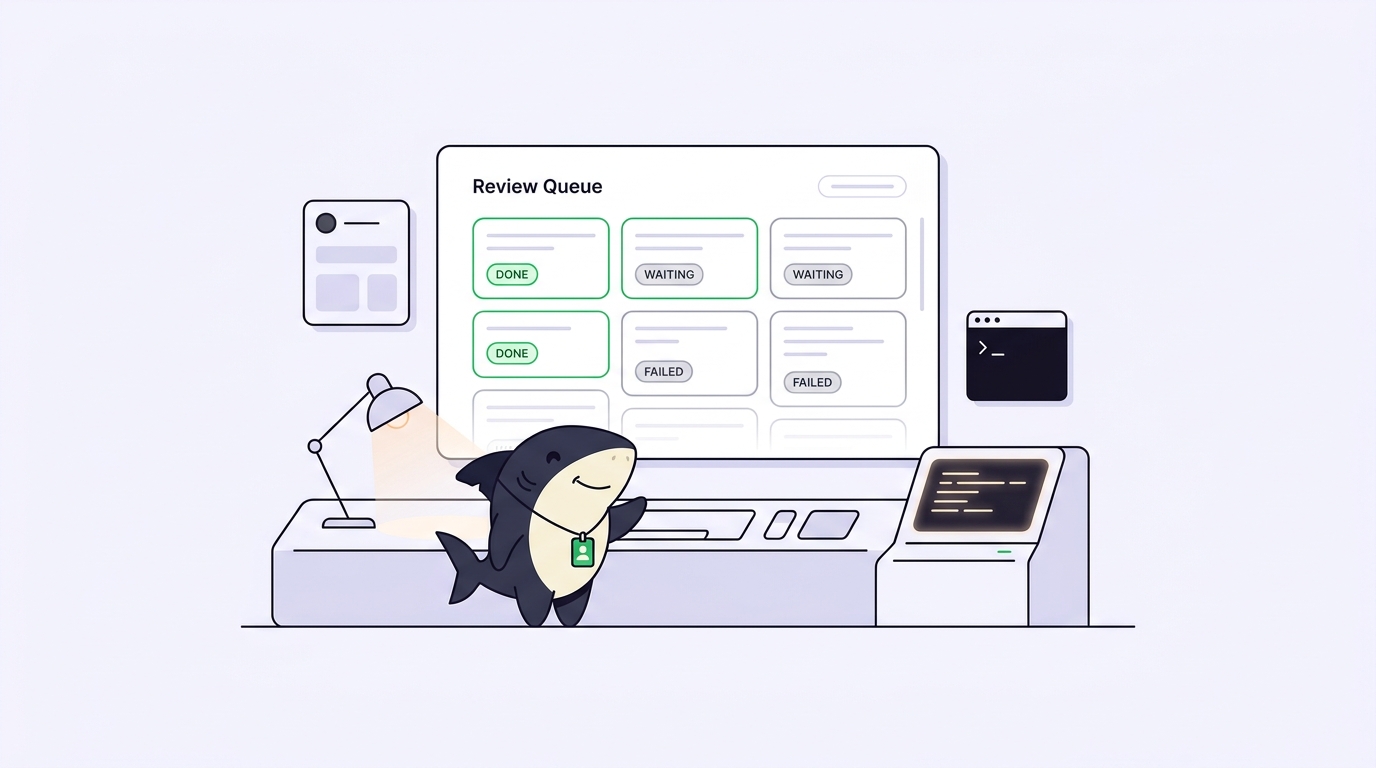
Coding Agents While You're Away: Unattended Runs and the Review Queue
Running a coding agent unattended has two halves: keeping the run alive while you're away, and the review queue you come back to. A step-by-step DIY setup with the failure mode at each step, where it stops scaling, and a checklist you can run today.
Ryan Mitchell
September 15, 2026