For Claude Fable 5.2 vs. Opus 5.5, start with Opus for routine coding. Test Fable when ambiguous debugging, difficult migrations, or long projects exceed your Opus baseline. Anthropic recommends this escalation pattern. Its benchmark gains support trying Fable, but your acceptance tests and review effort should decide whether switching pays.
A stronger model earns its place by finishing work you can accept. That might mean finding a hidden dependency, rejecting a risky rewrite, or spending fewer turns on a failed hypothesis.
Keep those outcomes attached to a task in Sharkly, so your model decision has evidence behind it. The useful comparison is accepted work per dollar and reviewer hour.
What Anthropic’s benchmarks establish
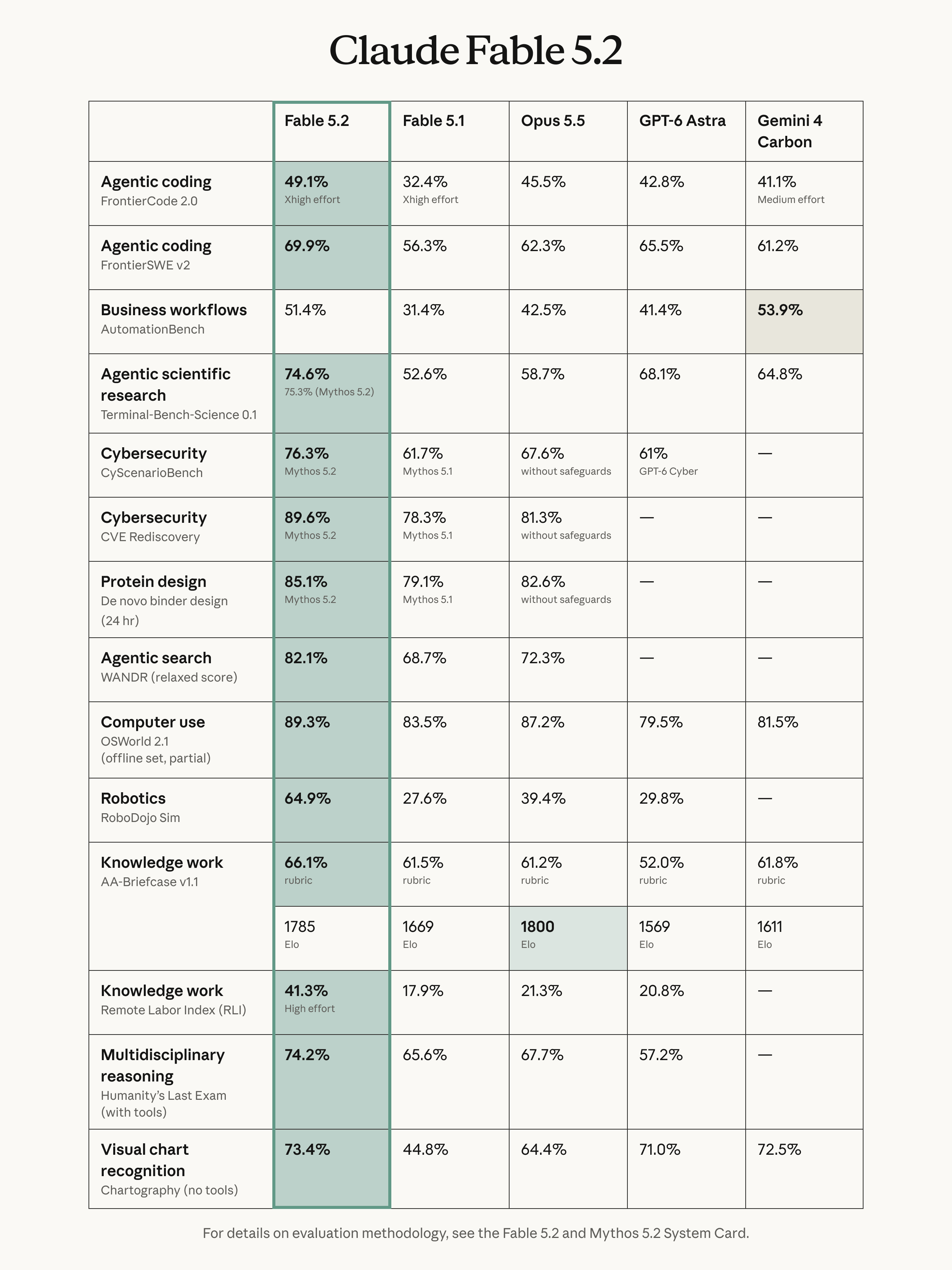
Anthropic’s Fable 5.2 announcement reports stronger coding scores than Opus 5.5 on two evaluations. These are vendor-reported results, reproduced here for context. This article includes no independently measured head-to-head results and no original model testing.
| Anthropic-reported evaluation | Fable 5.2 | Opus 5.5 | Difference |
|---|---|---|---|
| FrontierCode 2.0 | 49.1% at Xhigh effort | 45.5% | 3.6 percentage points |
| FrontierSWE v2 | 69.9% | 62.3% | 7.6 percentage points |
The announcement says scores use the highest available effort unless noted. That matters: a model name alone doesn’t describe the configuration you are comparing.
Anthropic also reports Fable at High effort scoring 45.3% on FrontierCode, close to Opus at Max effort scoring 45.5%, for roughly half the cost per task. Treat that as an evaluation-specific efficiency claim. It doesn’t establish the same savings on your repository.
The official model overview lists standard API prices of $8 per million input tokens and $40 per million output tokens for Fable. Opus is $4 and $20 respectively, checked November 10, 2026. Both list a one-million-token context window and 128,000-token maximum output.
Fable’s listed token rates are twice Opus’s. Total task cost still depends on tokens, retries, tools, and effort. A longer context window alone gives neither model an advantage here.
Choose by coding task, then escalate
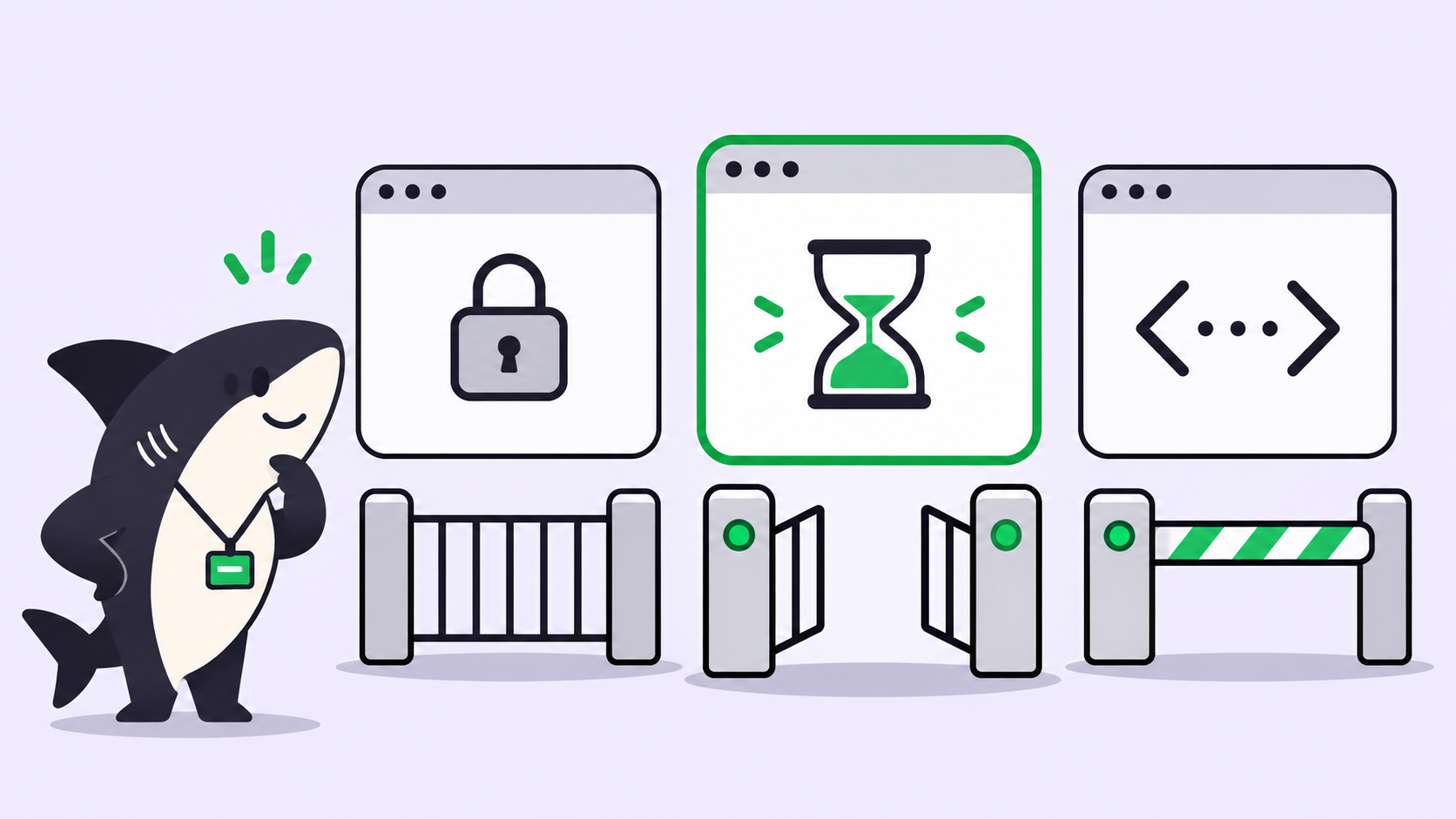
Use Opus as your baseline when the problem and verification method are clear. Move to Fable when the work requires resolving uncertainty that your baseline fails to reduce. The following routing rules are editorial recommendations drawn from that distinction, rather than measured rankings for each task category.
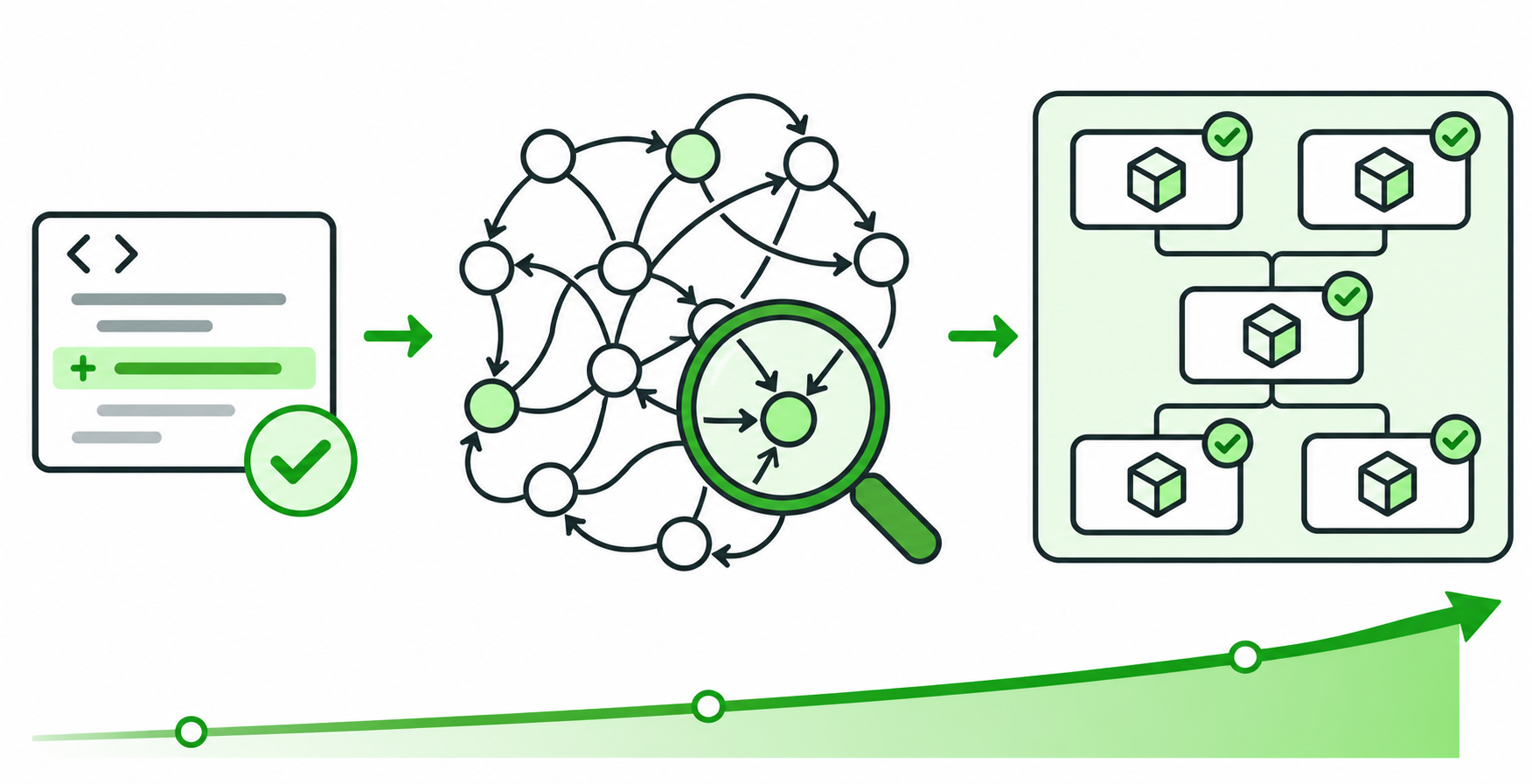
| Task | Starting point | Reason to test Fable | Acceptance evidence |
|---|---|---|---|
| Routine coding | Opus 5.5 | Repeated failures despite a clear spec | Focused tests and reviewed diff |
| Ambiguous debugging | Opus with a reproduction | Competing causes remain unresolved | Regression test and causal explanation |
| Cross-system migration | Opus on a bounded slice | Architectural constraints block progress | Compatibility checks and rollback plan |
| Long agent project | Opus on scoped milestones | Planning or integration repeatedly breaks | Accepted milestones and integration tests |
Which routine coding tasks should stay on Opus?
Keep bounded changes on Opus when it already meets your quality bar. Examples include adding a validated API field, extending a test fixture, or changing an error message with known callers.
Write the acceptance criteria before starting. For an API change, specify the request shape, response shape, validation behavior, and compatibility expectations. A vague prompt can make a routine task look like a reasoning failure.
If Opus produces an acceptable patch in one pass, a higher benchmark score gives you little reason to switch. Try a smaller model separately if cost or latency becomes the constraint. Our Sonnet and Opus task guide covers that adjacent decision.
When does ambiguous debugging justify Fable?
Escalate after you have a reproduction, logs, and a written account of failed hypotheses. Ask Fable to rank possible causes and propose discriminating tests before changing code.
For example, an intermittent queue failure could involve a timeout, duplicate delivery, or incorrect state recovery. A useful investigation separates those causes with evidence. Another retry wrapper might hide the symptom while preserving the defect.
Set a stop condition: if the next run cannot produce new evidence, return to instrumentation or human investigation. Spending more tokens on the same assumption won’t improve your diagnosis.
How should you test Fable on migrations?
Give each model the same representative migration slice. Include an awkward dependency, a compatibility boundary, and a measurable behavior that must survive.
Anthropic describes using an earlier Fable 5.2 version for a production Python-to-Rust migration and reports startup about 26 times faster. That is a vendor case study about a particular service. It isn’t a forecast for your migration.
Judge your slice by preserved semantics, deployment constraints, and rollback readiness. Require the model to document unresolved assumptions before expanding the scope.
What changes for longer agent projects?
Choose milestones with observable completion criteria. Separate planning, implementation, and integration review so a plausible plan cannot substitute for a working result.
Anthropic reports an eight-day operating-system experiment involving over 1,000 subagents. That demonstrates the scale of its experiment, not a recommended team configuration. Your first trial can be one difficult milestone with a fixed budget.
For broader comparisons, see our guide to choosing an agent for long tasks.
Run a comparison you can trust
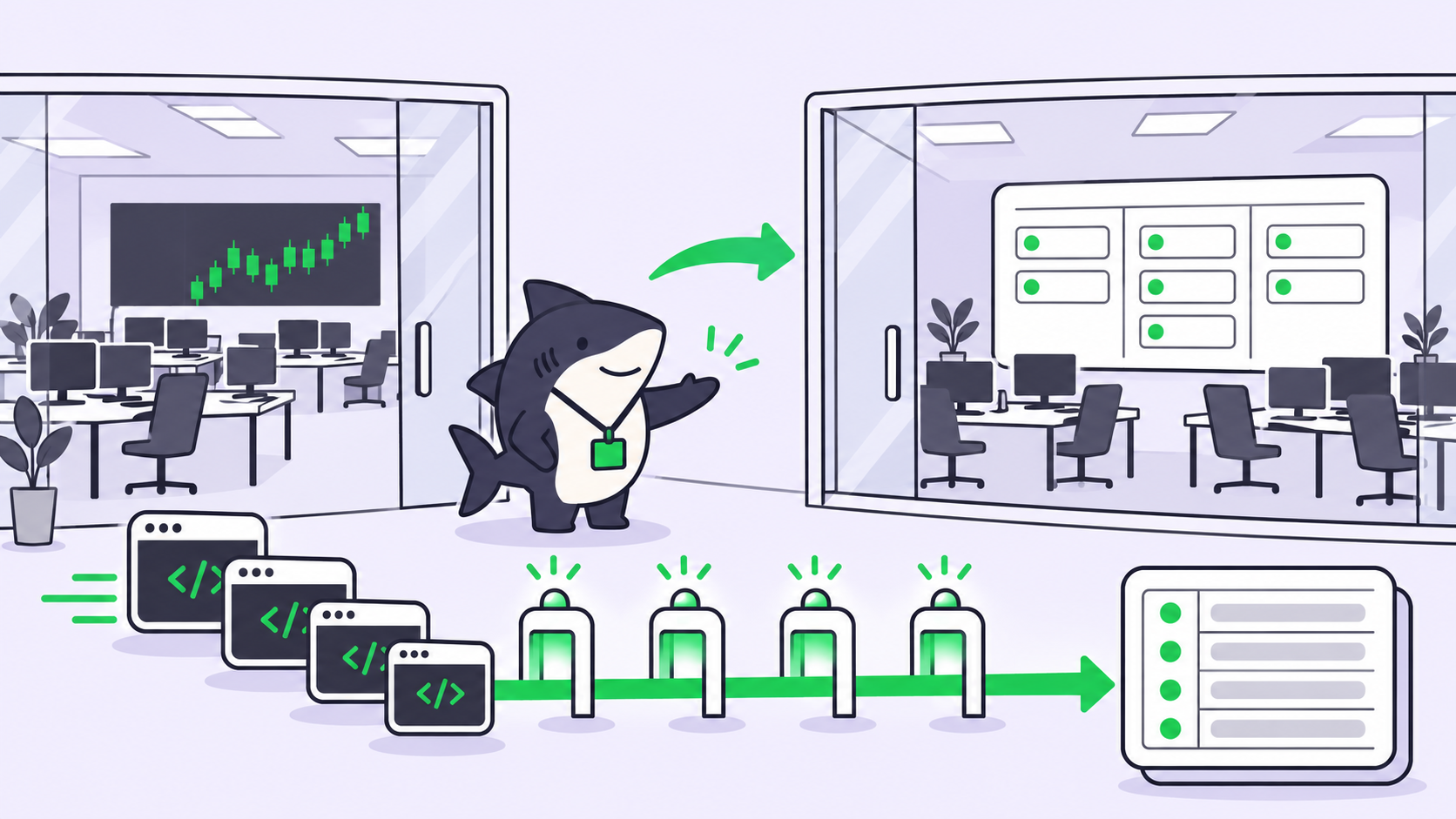
A useful local evaluation holds the starting conditions steady and measures accepted output. Compare the same repository revision, task brief, tools, permissions, and test environment. Record effort settings explicitly. Repeat representative tasks because one successful run can reflect chance or an unusually favorable problem.
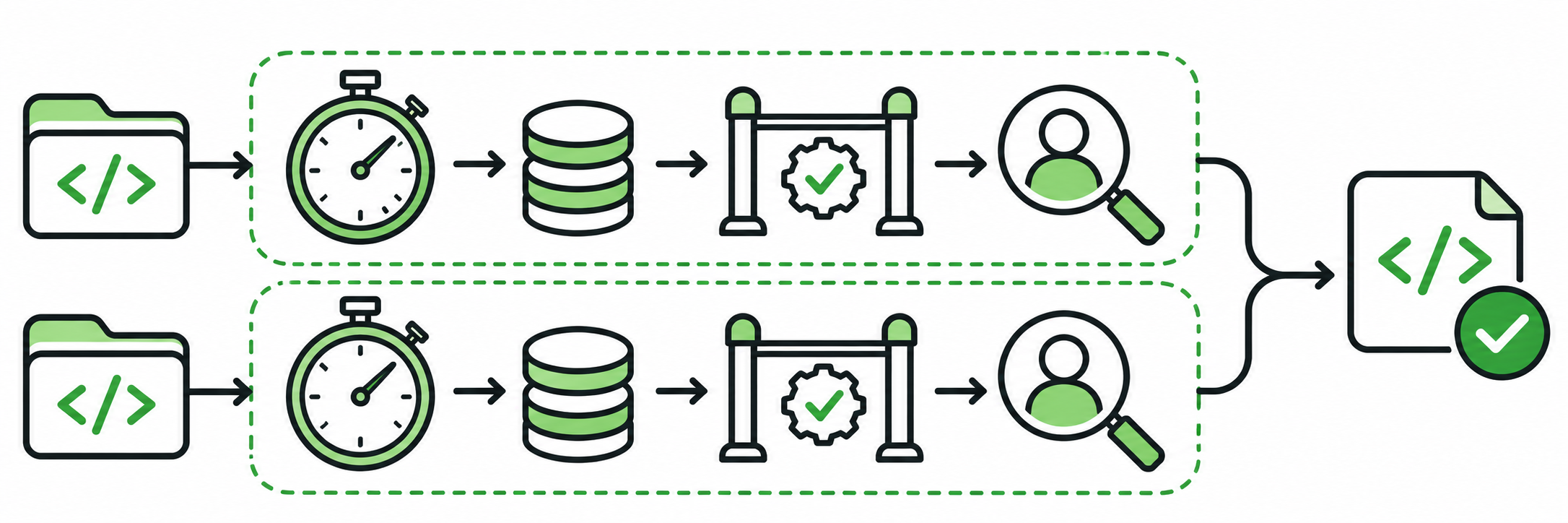
Use a small sample across all four task categories. Define the acceptance rubric before reviewing outputs, then record:
- Whether the patch passes functional and regression tests.
- Whether a reviewer accepts the implementation.
- Total model and tool spending, including failed attempts.
- Elapsed time until an acceptable result exists.
- Reviewer minutes spent checking and correcting it.
- Any permission, compatibility, or scope violations.
Calculate cost per accepted task by dividing all trial spending by accepted tasks. Include unsuccessful runs in the numerator. Otherwise, the model that fails expensively can appear cheaper than it is.
Before running the comparison, decide what improvement would change your choice. A team with a review bottleneck might prioritize fewer correction cycles. A team handling expensive incidents might accept higher model spending when the diagnosis arrives sooner. State that tradeoff before seeing which model wins.
Keep failed runs and rejected patches in your notes. A model that passes tests but changes public behavior without approval has failed the task. Likewise, a convincing explanation without a reproduction is incomplete debugging evidence. Review the actual diff and rerun the tests from a clean checkout before accepting either result.
Avoid mixing a model upgrade with new tools, broader permissions, and a rewritten brief. Those changes can improve results, but they prevent you from identifying which change caused the improvement.
Keep the workflow stable in Sharkly
Sharkly’s official site describes shared Agents, task assignment, connected execution environments, and visibility into progress and review. Use that work layer to preserve the brief, baseline findings, and acceptance evidence as you compare configurations.
Record the chosen model and effort in the task’s evaluation notes. Keep the result, test output, and reviewer decision together. This is a recommended evaluation process; it doesn’t imply automatic benchmark scoring or automatic model routing in Sharkly.
For setup context, read running Opus 5.5 Agents in Sharkly. Model access and billing still depend on the coding tool and account you configure.
Alternatives to switching every turn
You can keep Opus as the main model and consult a stronger advisor at difficult decision points. Anthropic’s advisor documentation describes an experimental Claude Code tool for this pattern, with platform and billing requirements. Check those requirements before enabling it.
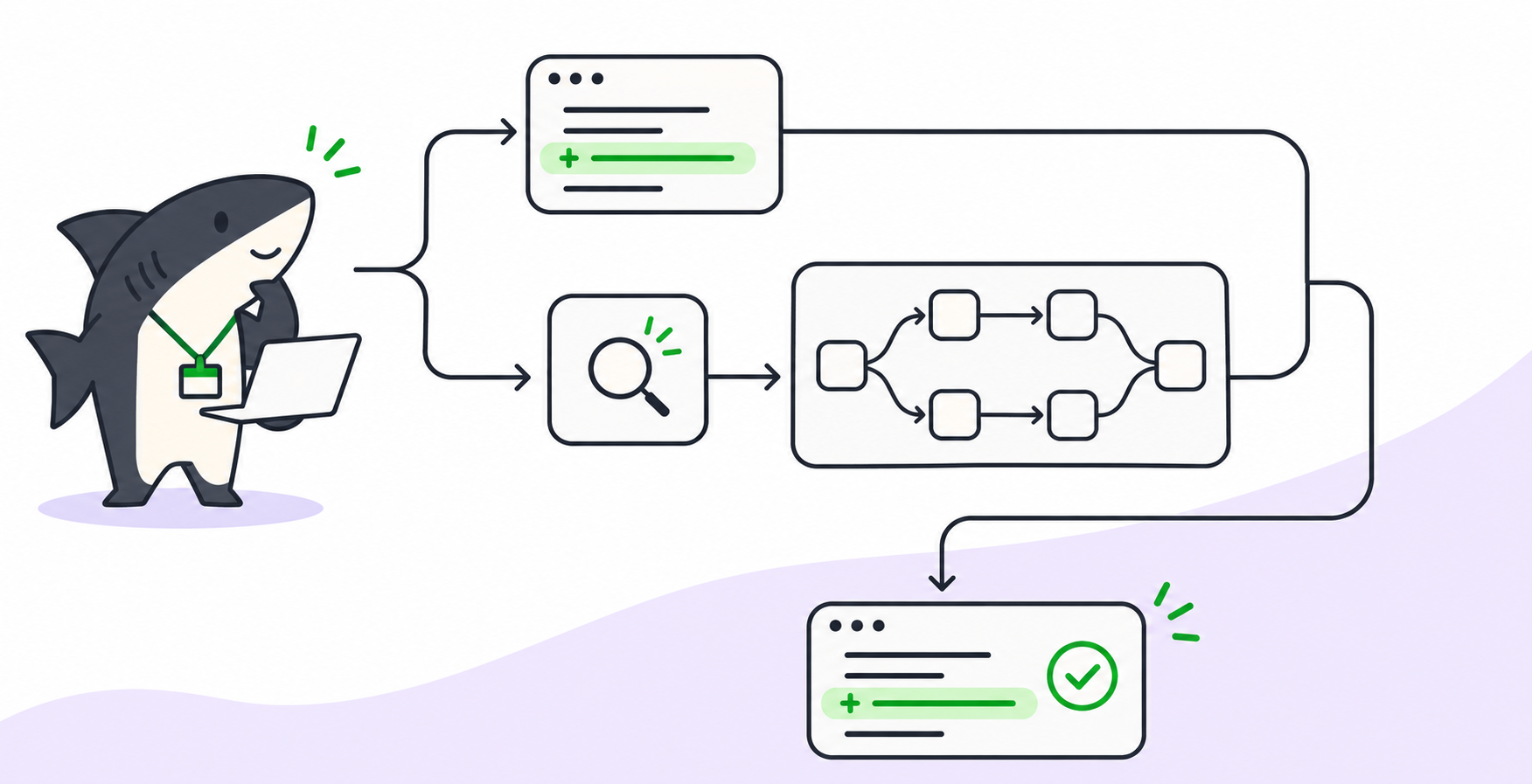
Another option is to split the task: ask for an investigation or migration plan first, review it, then authorize implementation. This can expose a missing requirement before either model spends heavily on code.
Your next step
Pick one recent task where Opus stalled and one where it succeeded. Replay both under controlled conditions with Fable, record accepted output and review effort, and keep the configuration that improves your measured outcome. Put that comparison in a shared task before changing your team’s default.
FAQ
Is Fable 5.2 always better for coding?
Anthropic reports higher scores on the cited coding evaluations. That doesn’t prove a better outcome for every repository or task.
Should Opus 5.5 remain my default?
Anthropic recommends starting there for most workloads. Keep it when your own evaluation shows acceptable quality and cost.
Does Fable cost twice as much per task?
Its listed standard input and output token rates are twice Opus’s. Task cost depends on how many tokens and attempts completion requires.
Does a long task automatically need Fable?
Duration alone is a weak signal. Escalate when planning, reasoning, or integration failures prevent acceptable progress.
Are these independent benchmark results?
No. The numerical model comparisons above are attributed to Anthropic. The proposed local evaluation has not been run for this article.
Additional resources
Read the Fable and Mythos system card for evaluation methodology, alongside the announcement and model overview linked above. Keep methodology and configuration attached to any score you use in a purchasing or routing decision.