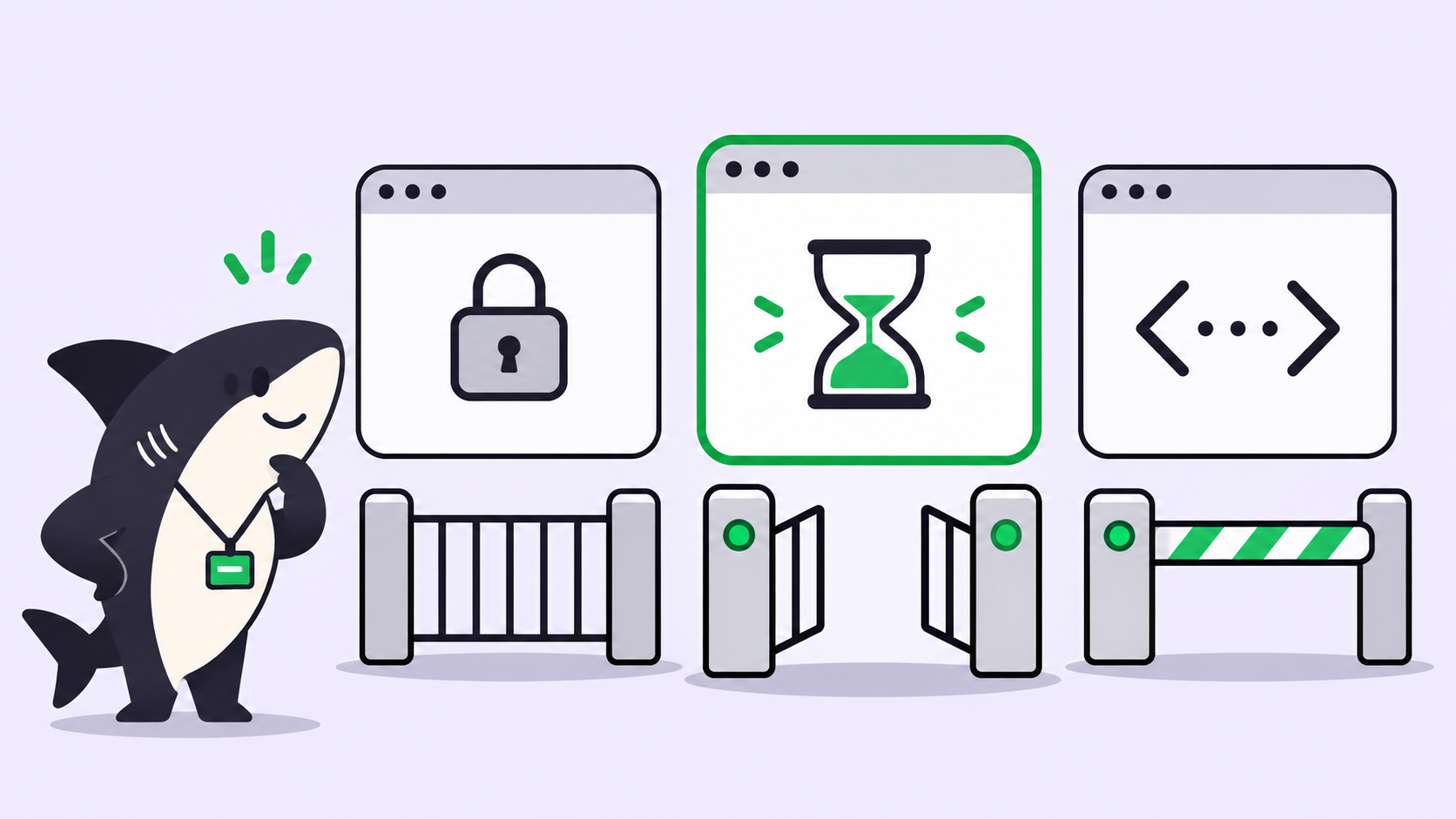
Claude Fable 5.2 and Claude Mythos 5.2 share the same underlying model, according to Anthropic. Fable adds strong cybersecurity and biology safeguards for broad availability. Mythos provides verified users with access suited to approved work in those sensitive domains. Choosing between them starts with your task and eligibility.
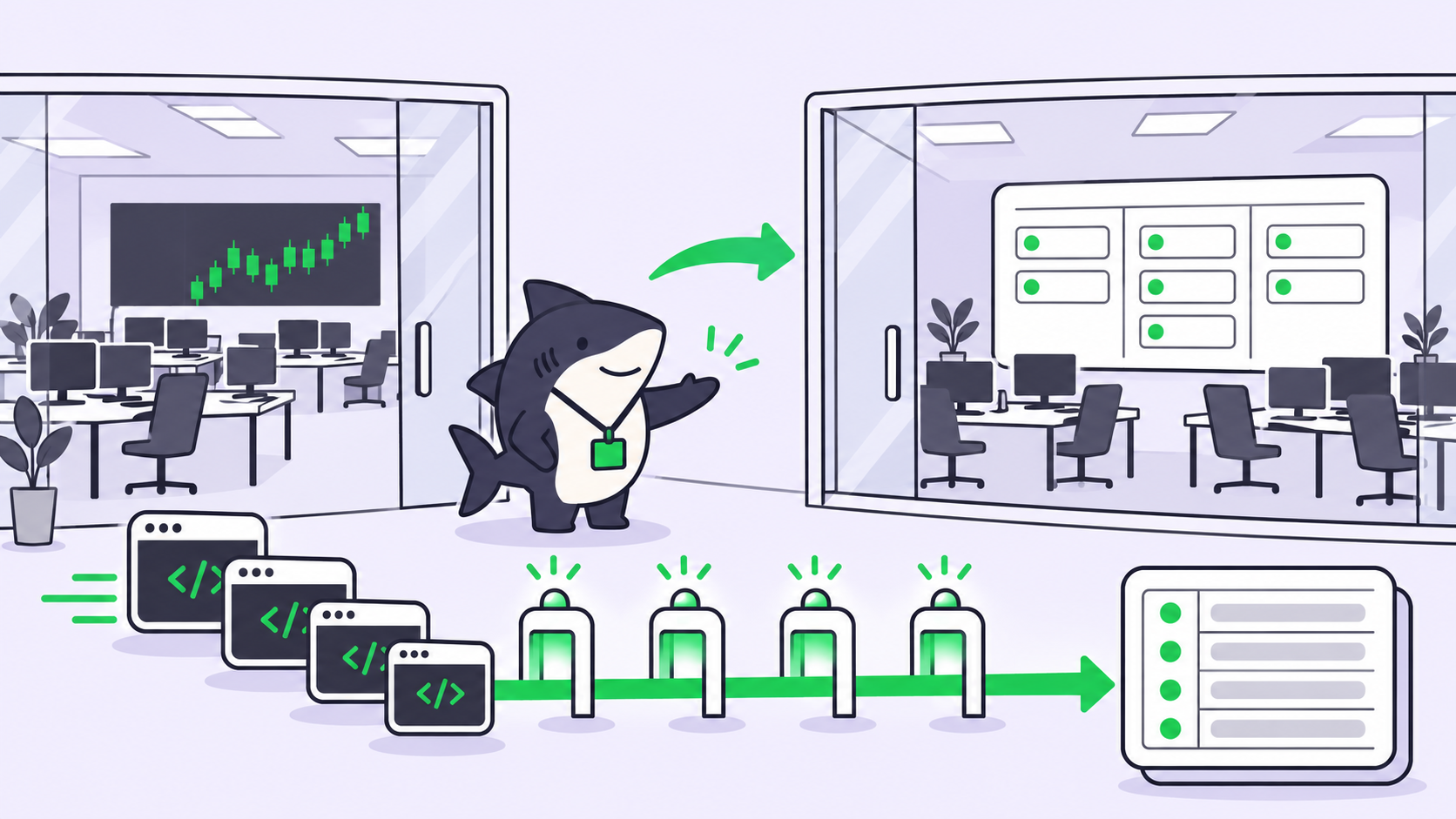
Anthropic’s announcement makes this distinction explicit. Developers comparing them should separate model capability, safeguards, and account access. The same separation matters when choosing which coding agent gets a task: a capable model still needs the right environment and permissions.
For teams using Sharkly, that model decision sits inside a larger workflow of assigning work and reviewing results. Sharkly manages work around your coding tools; Anthropic controls access to its models.
One model, different safeguards
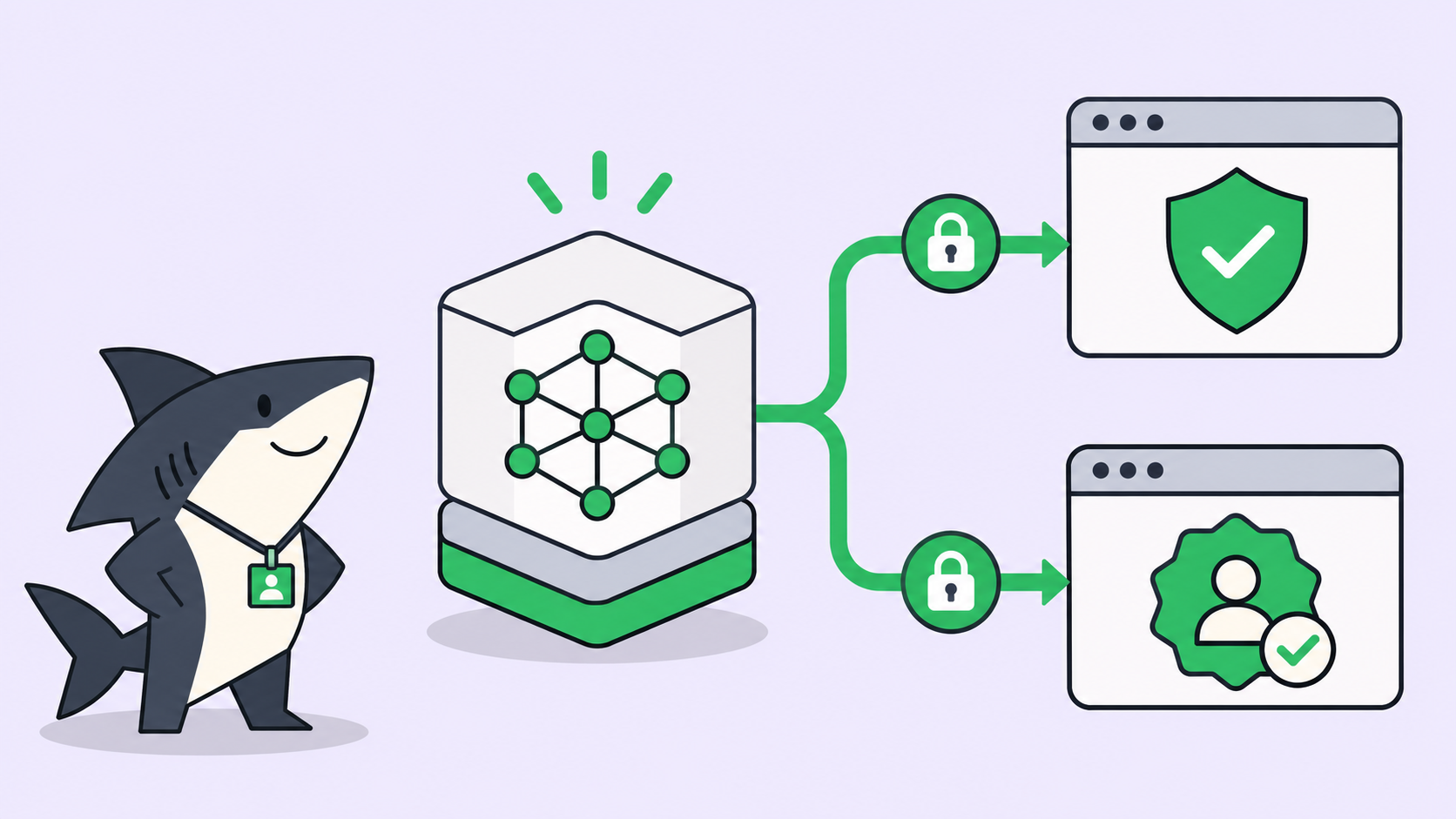
Fable and Mythos are two deployment options for a shared model. Treating Mythos as a separate, universally smarter coding upgrade misses the practical difference.
Anthropic says Fable’s classifiers block high-risk cyber activities, including penetration testing and exploit generation, plus most research-biology tasks. Mythos makes certain capabilities available with safeguards adjusted for verified use. Its users remain subject to Anthropic’s policies and program terms.
| Question | Claude Fable 5.2 | Claude Mythos 5.2 |
|---|---|---|
| Underlying model | Shared with Mythos | Shared with Fable |
| General role | Demanding technical and agentic work | Approved cyber or biomedical work needing different safeguards |
| Availability | Broadly available across supported platforms; account entitlements apply | Verification-program approval and configuration required |
| Cyber and biology safeguards | Strong classifiers; some requests use fallback models | Adjusted to approved program and tier |
| Standard announced API price | $8 input / $40 output per million tokens | Same announced rates |
| Fast mode announced price | $16 input / $80 output per million tokens | Same rates; verification access still required |
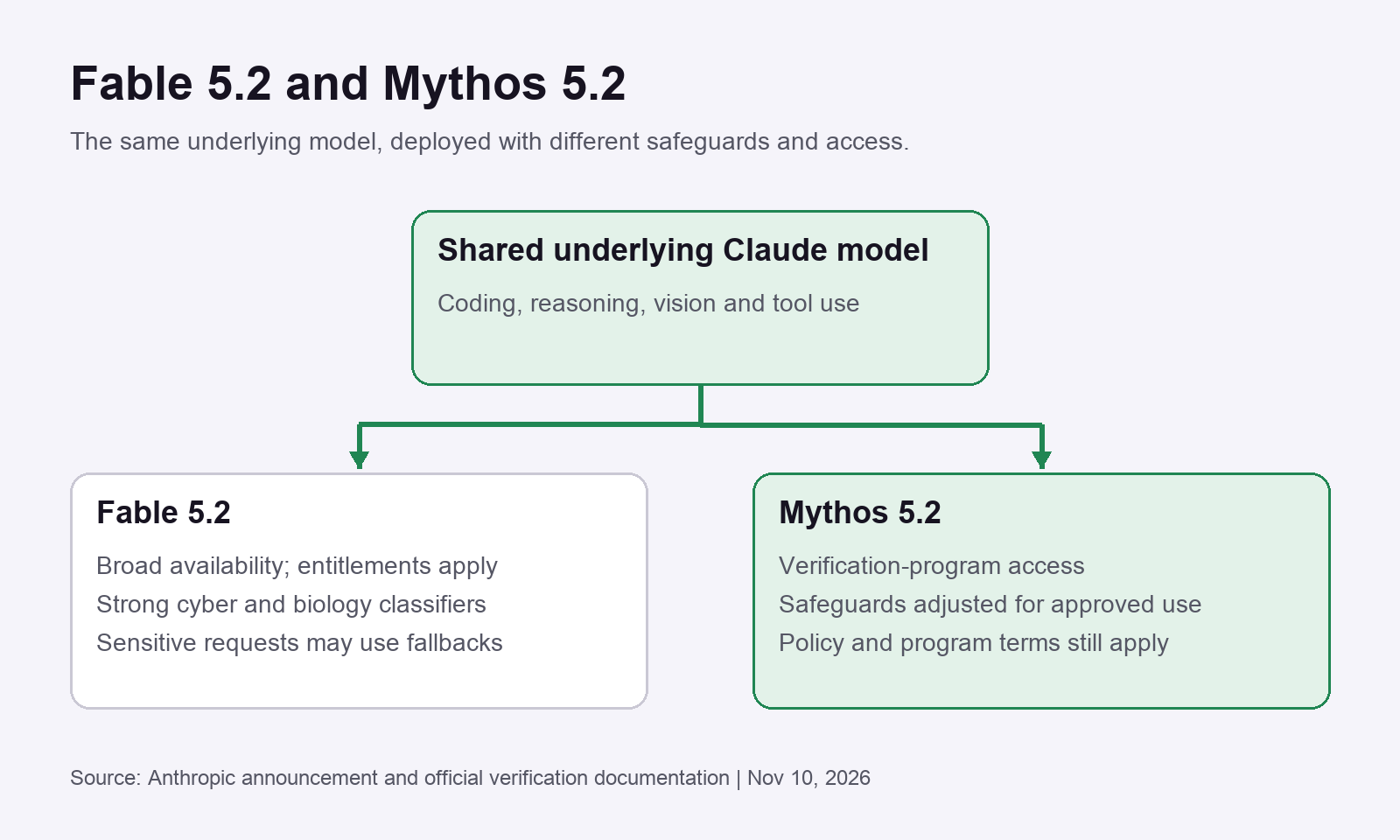
Shared capability does not imply identical behavior or account eligibility. Diagram based on Anthropic’s announcement and verification documentation.
A blocked Fable request can also involve a model switch. Anthropic says blocked cyber queries receive an Opus 4.8 response, while blocked biology queries receive an Opus 5 response. Record those fallbacks when evaluating results. Otherwise, your comparison can silently become a comparison of different models.
Mythos should not be described as unrestricted. Verification changes which approved work the system can support; it does not remove all safeguards or grant permission to test someone else’s systems.
Public availability is different from verified access
Fable 5.2 is broadly available through Anthropic and supported cloud platforms. The public Claude API ID is claude-fable-5-2. Broad availability does not mean every free account receives unlimited use. Plan limits, regional availability, and platform entitlements still matter.
The Claude models overview recommends Opus 5.5 as the starting point for most workloads, with Fable for demanding reasoning and long-horizon agentic work. That is a useful default before considering either access path below.
Cyber Verification Program
The updated Cyber Verification Program documentation describes three tiers. Defense Access covers work such as incident response, malware analysis, detection engineering, and vulnerability triage. Red Team Access covers authorized offensive testing. Specialized Access covers a narrower set of high-risk testing needs.
Individuals, including independent researchers, open-source maintainers, and bug bounty hunters, can apply for Defense Access. Red Team and Specialized Access require an organization. Eligible plans and security requirements differ by tier; the Free plan is excluded.
Approval also needs to reach the account where work runs. Enterprise administrators assign access by role, and API administrators configure workspaces. Approval for one organization does not carry across to another. An API key or a paid subscription alone is not proof of Mythos authorization.
The program distinguishes internal work from customer-facing services and products. External use needs separate approval. A consultancy should check that requirement before promising a Mythos-powered audit to clients.
Life Sciences Verification Program
The Life Sciences Verification Program form describes a beta for verified organizations on Team, Enterprise, and the Claude Platform API. Free, Pro, Max, and Ultra plans are currently ineligible.
An organization’s administrator registers interest. That form does not guarantee admission. Cyber verification and life-sciences verification are distinct routes; approval for one should not be treated as approval for the other.
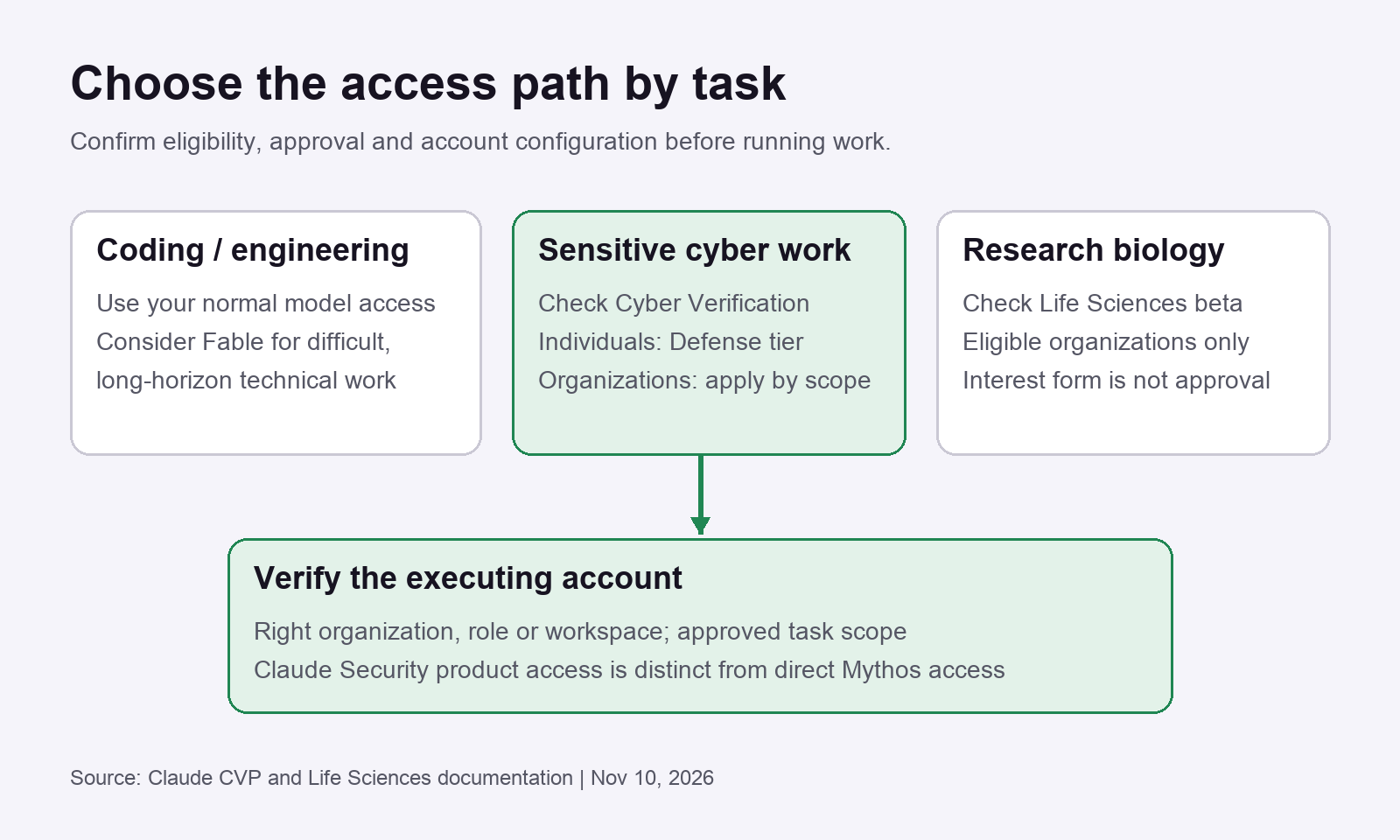
Choose the access route from the work’s scope, then confirm eligibility and approval in the account that will execute it.
Which coding and security tasks fit?
For ordinary application development, begin with the model already meeting your quality and cost requirements. Consider Fable for an ambiguous migration, a difficult debugging task, or a long project where weaker results create substantial rework. Anthropic positions it for ambitious technical work, including advising or coordinating smaller models.
For example, a team migrating a service could give Fable the dependency analysis and migration plan, then keep implementation changes small enough to test and review. Compare completed results against your current baseline. Measure reviewer corrections, failing tests, total cost, and time to an acceptable patch. Faster token generation alone does not establish faster delivery.
Our guide to running Opus 5.5 agents in Sharkly covers the surrounding runtime setup. Changing a model should preserve the repository permissions, task scope, and review expectations you already rely on.
For security work, the general CVP documentation says everyday secure development does not require enrollment. That includes reviewing code, patching known issues, and triaging alerts using generally available models. However, Anthropic specifically warns that Fable 5.2 blocks most cybersecurity-related tasks. General access to Claude therefore does not guarantee Fable will handle your security workload.
If authorized work needs the sensitive capabilities or repeatedly encounters safeguards, evaluate the appropriate CVP tier. Do not disguise an exploit-validation task as ordinary debugging to evade a block. Match the work to an approved access route.
There is also a product-level option: Anthropic says Enterprise customers can use Claude Security, whose model family includes Mythos 5.2, without themselves joining CVP. Access to that scanning product does not establish direct Mythos API access. Decide whether you need a managed security workflow or a model for your own harness. The product FAQ also says Mythos-powered scans run in the Claude Security app; its Claude Code plugin uses the models available in your Claude Code account.
Data handling belongs in this decision too. Anthropic describes 30-day safety-monitoring retention for customers without an applicable exemption. Eligible customers can use zero data retention, and Enterprise Frontier Safeguards is in private beta. Confirm your organization’s terms before sending repository code or research data.
Research claims need careful interpretation
Fable can serve non-sensitive scientific computing, mathematical reasoning, and engineering work. Anthropic reports applications in theoretical physics, proof formalization, hardware design, and robotics. These examples are vendor-reported demonstrations, not a promise that a model will solve your research problem.
For biomedical work affected by biology safeguards, check Life Sciences Verification eligibility. The shared model does not make public Fable access interchangeable with approved Mythos access for that workload.
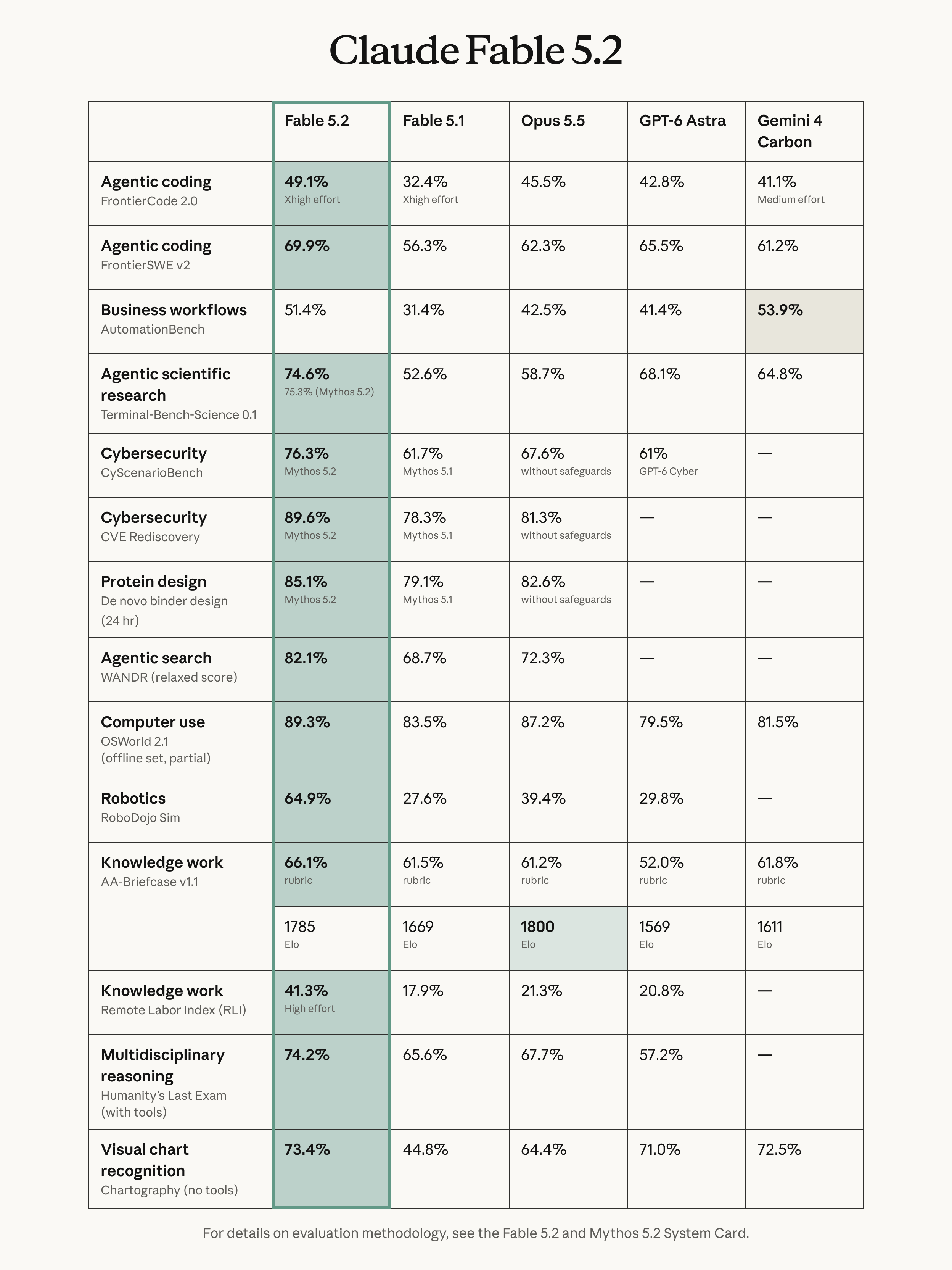
Read benchmark labels as carefully as model names. Some cyber and protein-design results in the announcement are explicitly Mythos results. They should not become blanket claims about Fable’s accessible capabilities. Anthropic also notes that CyScenarioBench uses different tasks for each lab, which limits direct comparisons across vendors.
The announcement links a system card for evaluation methods. This article uses the announcement and accessible official program documentation; we have not independently reproduced the reported benchmarks. For deployment, use your own representative tasks and keep a human review gate. Our discussion of prompt injection and agent guardrails explains why model-level protections and workflow controls serve different purposes.
Keep the access decision attached to the task
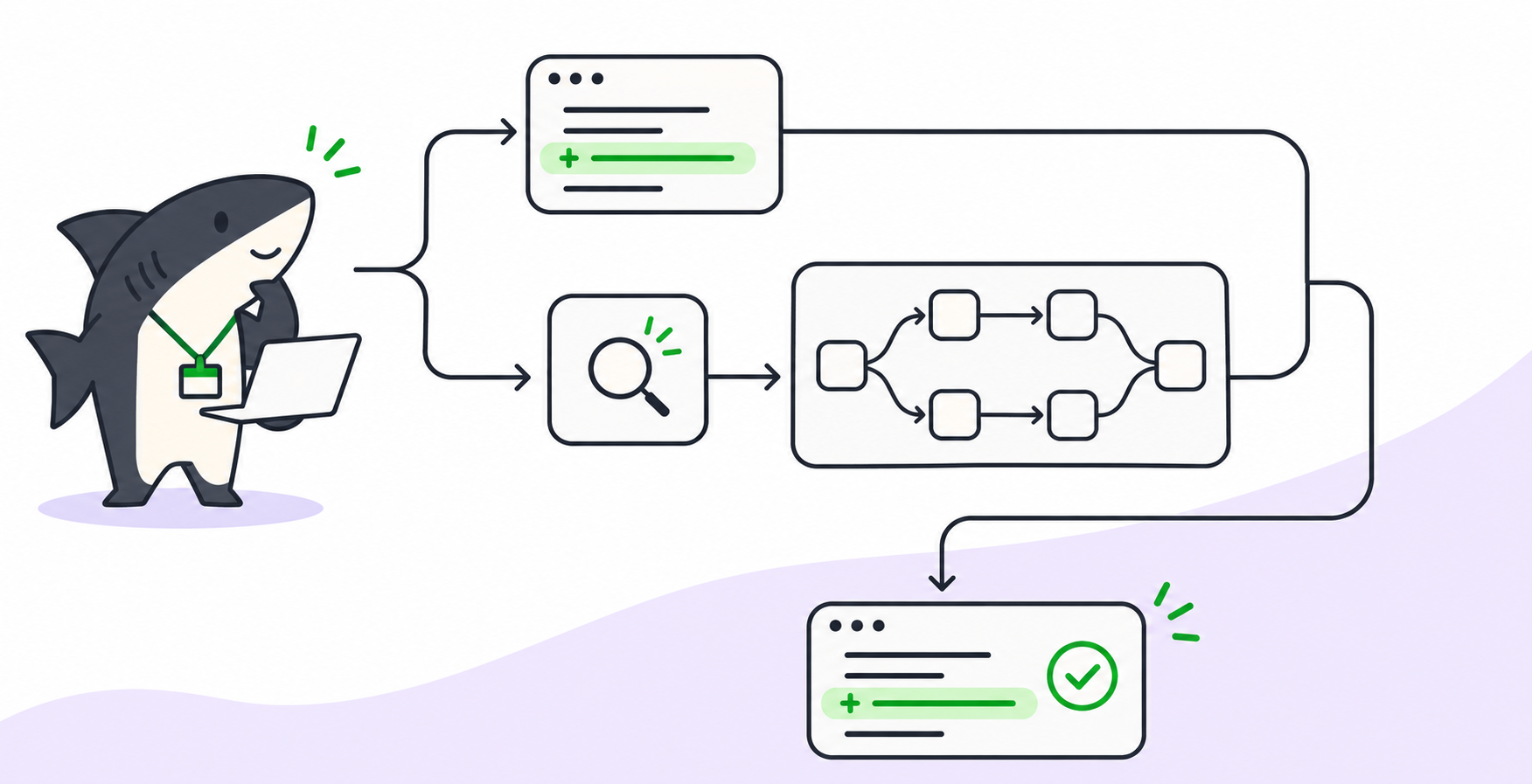
A useful task brief records the goal, chosen model, account or workspace, permitted data, expected artifacts, and reviewer. Add the verification tier when relevant. This makes an access failure easier to distinguish from a reasoning failure and keeps a fallback response from being mistaken for the requested model’s result.
Sharkly supports shared tasks, agent assignment, progress tracking, isolated worktrees, and human review. Those capabilities help coordinate execution across coding tools, as discussed in our multi-agent collaboration platform guide. They do not confer Anthropic verification or override its safeguards.
If you’re already running several agents, Sharkly gives you one place to manage their tasks and results. You can download Sharkly while keeping model access with the accounts configured in your execution tools.
FAQ
Is Mythos 5.2 a better coding model than Fable 5.2?
Anthropic says they share the underlying model. The meaningful distinction is safeguards and approved access for particular domains. Evaluate coding results in the environment you can use.
Can an individual get Mythos access?
Individuals can apply for CVP Defense Access on eligible paid plans or API accounts. Approval is required. The Life Sciences beta currently accepts eligible organizations.
Does paid Claude access include Mythos automatically?
No. A paid plan can satisfy an eligibility requirement, but verification approval and account configuration are separate steps. Claude Security access is also distinct from direct model access.