
Sophia Carter
 Human-Agent Collaboration
How to Run Claude Haiku 5.5 Agents in Sharkly
Run Claude Haiku 5.5 agents in Sharkly: pin claude-haiku-5-5 in Claude Code, set it in the Agent's Custom arguments, and keep runs under the 100K price step.
Sophia Carter
October 8, 2026
 Tutorials
Sonnet 5.5 or Opus 5.5: Which Agent Gets the Task?
Sonnet 5.5 costs half of Opus 5.5, but effort decides cost per task. A written routing rule for coding agents: which model, what effort, when to escalate.
Sophia Carter
September 29, 2026
 Human-Agent Collaboration
Ten Agents on GPT-6 Luna or One on Opus 5.5: Which Configuration Actually Ships More
GPT-6 Luna is 93% cheaper per task than Claude Opus 5 on DeepSWE 1.1 while scoring 66.6%. Ten cheap agent runs or one expensive one: it depends on whether a test suite or a person picks the winner.
Sophia Carter
September 23, 2026
 Tutorials
Cheaper Opus 5.5 Does Not Mean More Shipped: Why Model Price Was Never Your Ceiling
Claude Opus 5.5 costs 40% less to run than Opus 5, and GPT-6 Luna less again. Cheaper models raise how fast agent work arrives, not how much your team can review and accept.
Sophia Carter
September 23, 2026
 Tools
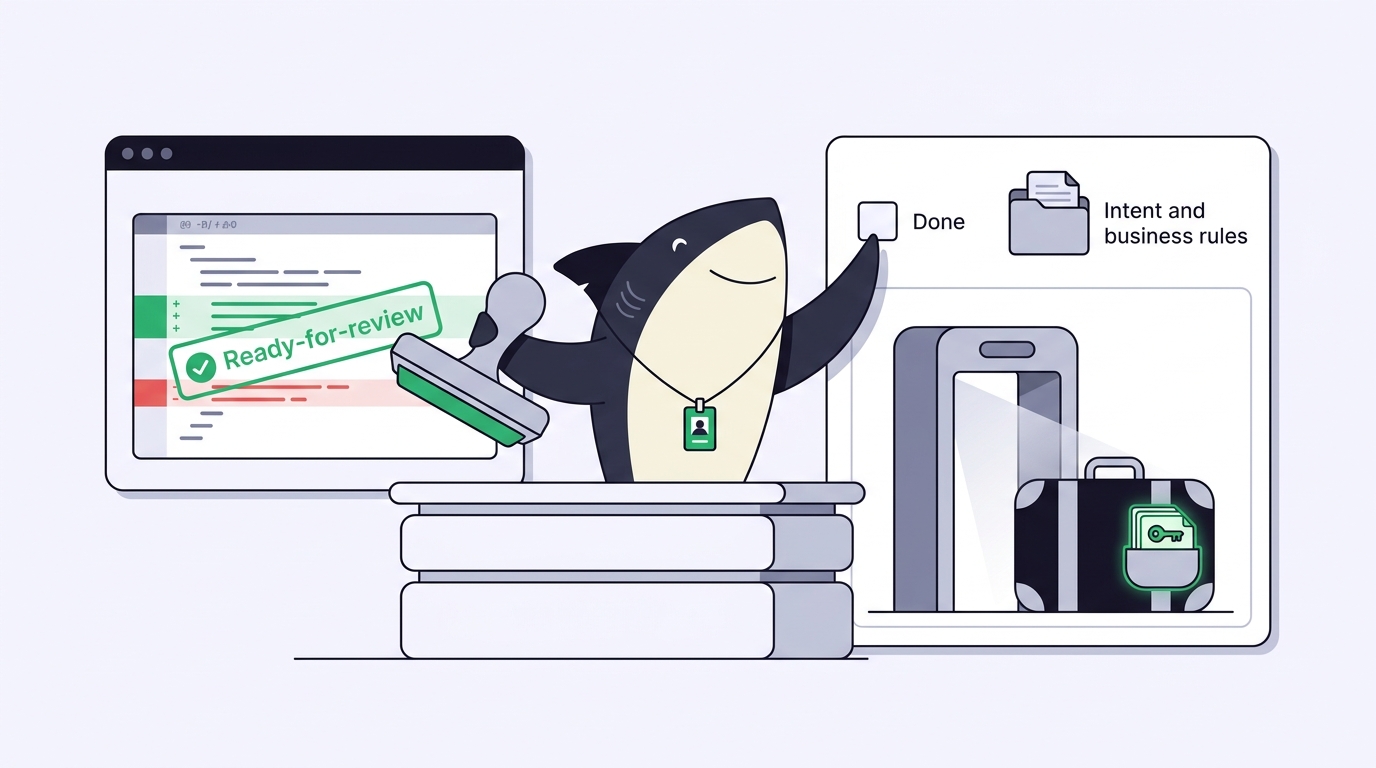
ToolsAI Code Review Agents: What They Can and Cannot Verify
AI code review agents verify mechanical, diff-local bugs well and stay blind to intent, business rules, and cross-system behavior. Here's the operating model that covers the gap.
Sophia Carter
September 20, 2026
 Tools
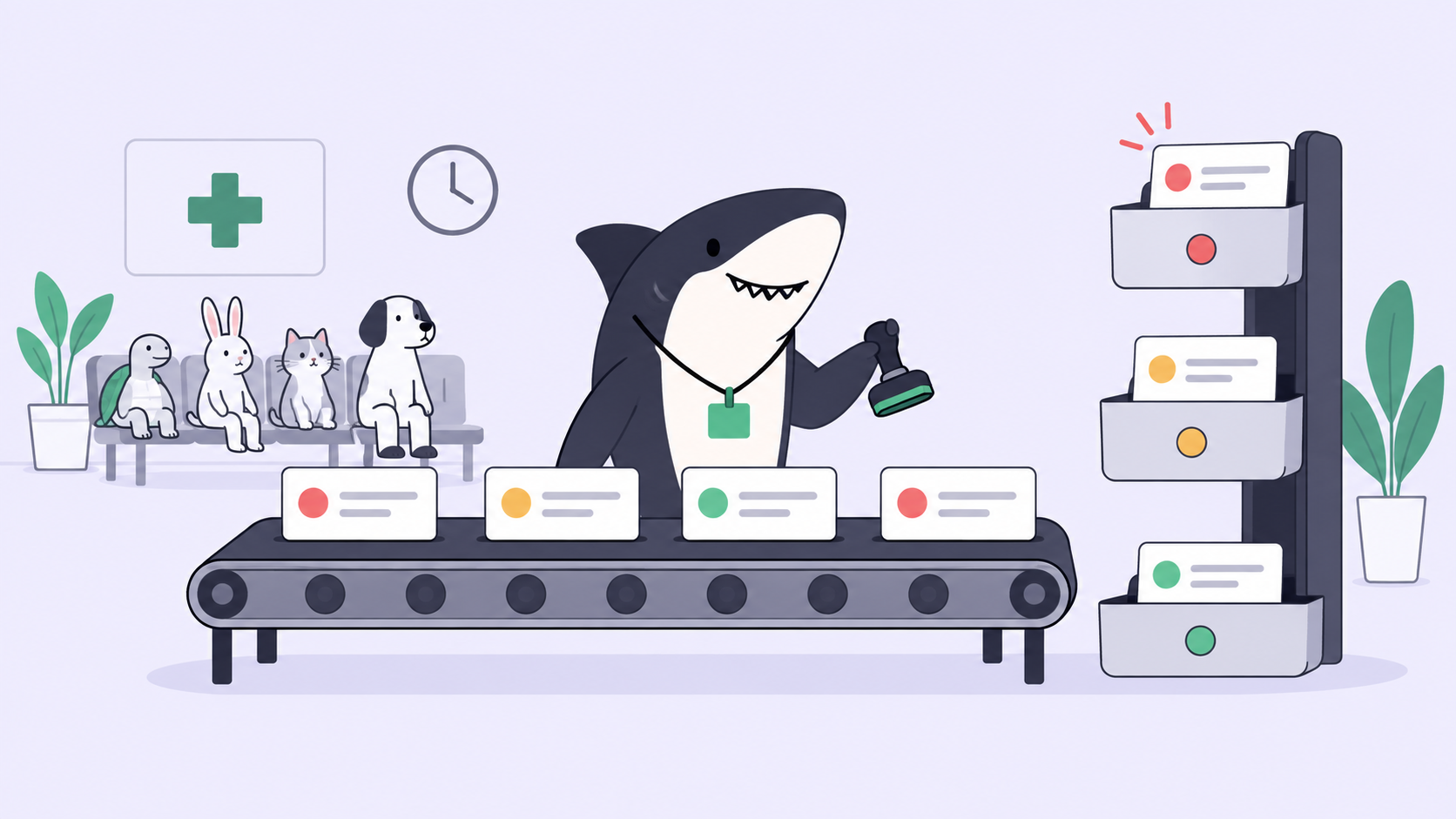
ToolsJev for code review: ranking the pull requests your coding agents open
Use Jev, TypeSafe AI's decision model, to rank the PRs your coding agents open: three typed questions, threshold bands, and a merge that stays with a person.
Sophia Carter
September 18, 2026
 Tools
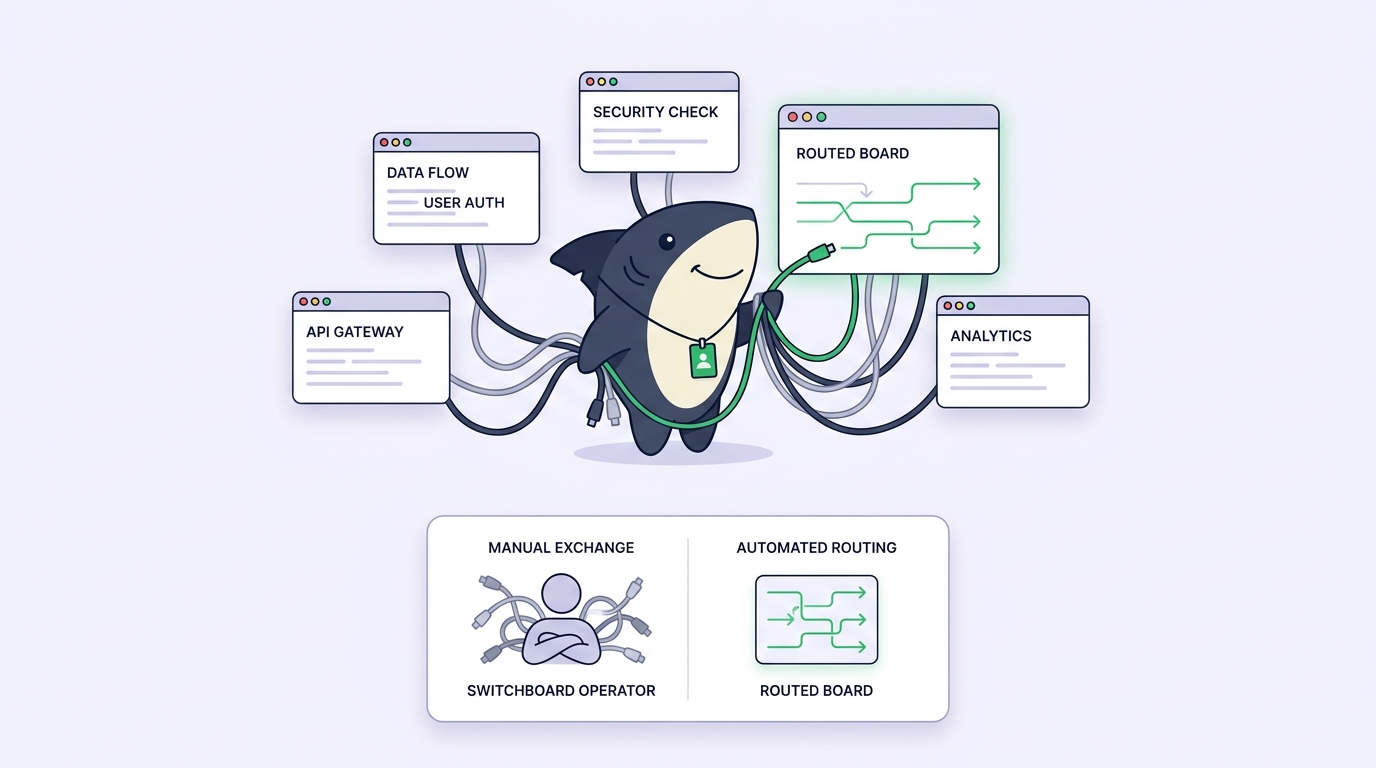
ToolsToo Many Terminals: The Real Cost of Running Coding Agents by Hand
Too many terminals isn't the problem. Running coding agents by hand makes you the router, the memory, and the reviewer. Here's the real cost, and how to remove it.
Sophia Carter
September 17, 2026
 Tutorials
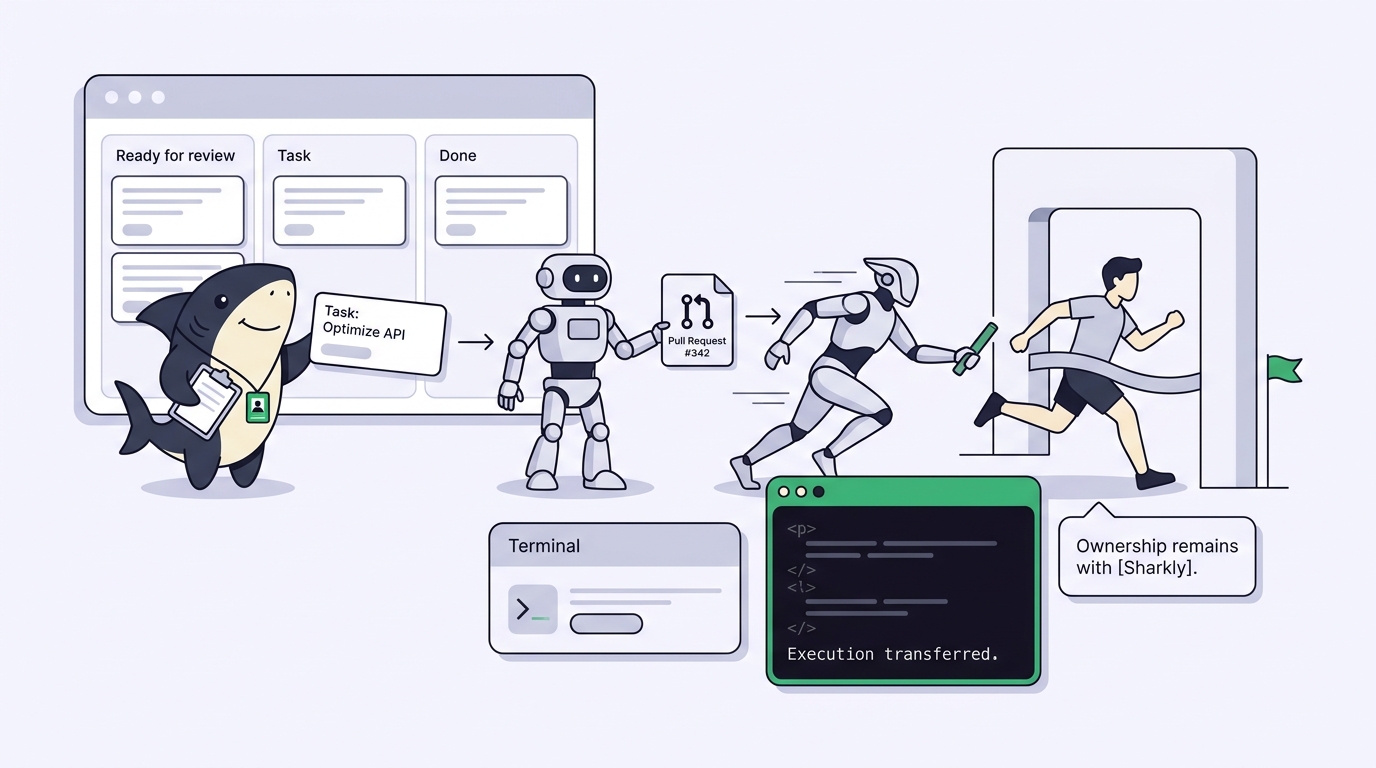
Human Ownership of Agent Work: The Operating Model
Who assigns, runs, reviews, and accepts an AI coding agent's work? The ownership operating model: roles, statuses, review gates, and a ticket-to-PR example.
Sophia Carter
September 15, 2026
 Human-Agent Collaboration
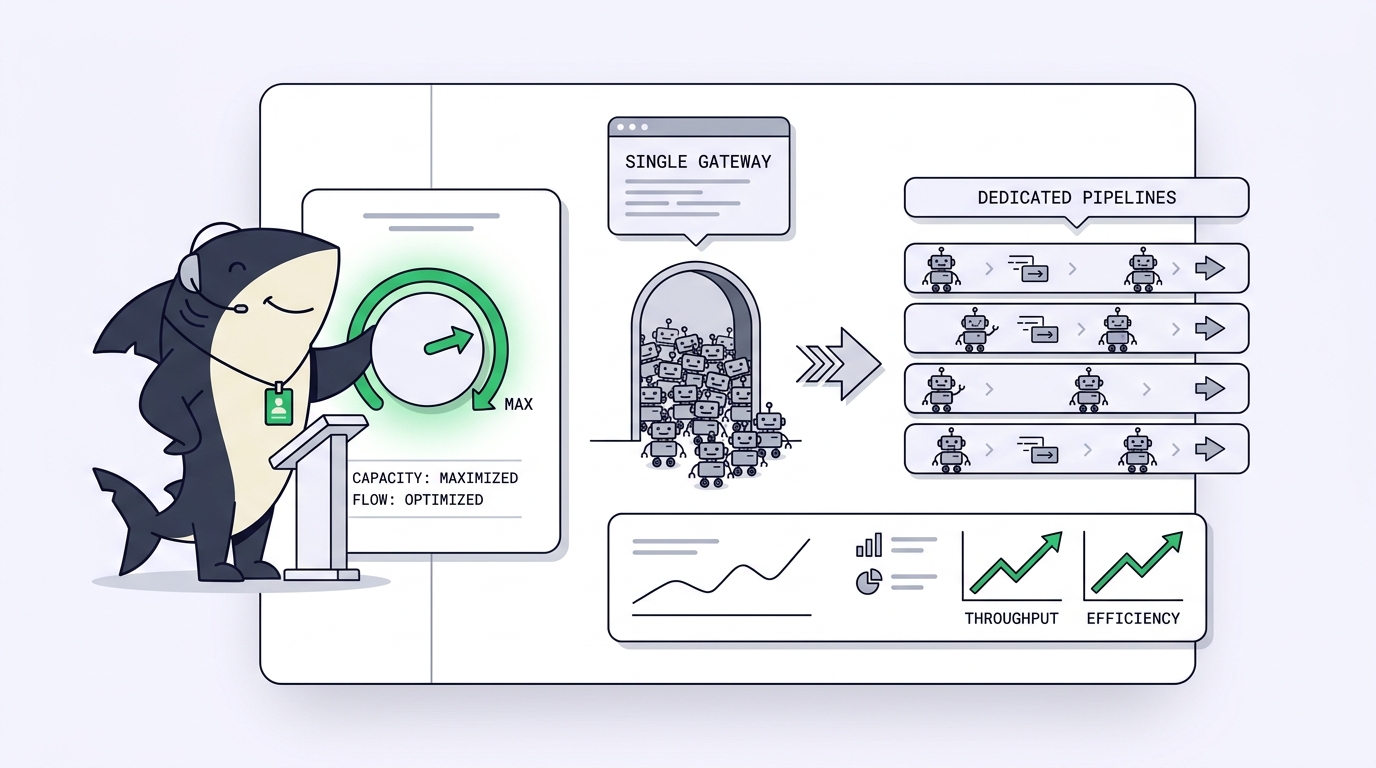
Codex Lets You Raise the Subagent Cap to 64. Here Is What Breaks First.
agents.max_concurrent_threads_per_session is real, but the default is unpublished. What the Codex reference says, and the three things that break when 64 subagents share one session.
Sophia Carter
September 10, 2026
 Human-Agent Collaboration
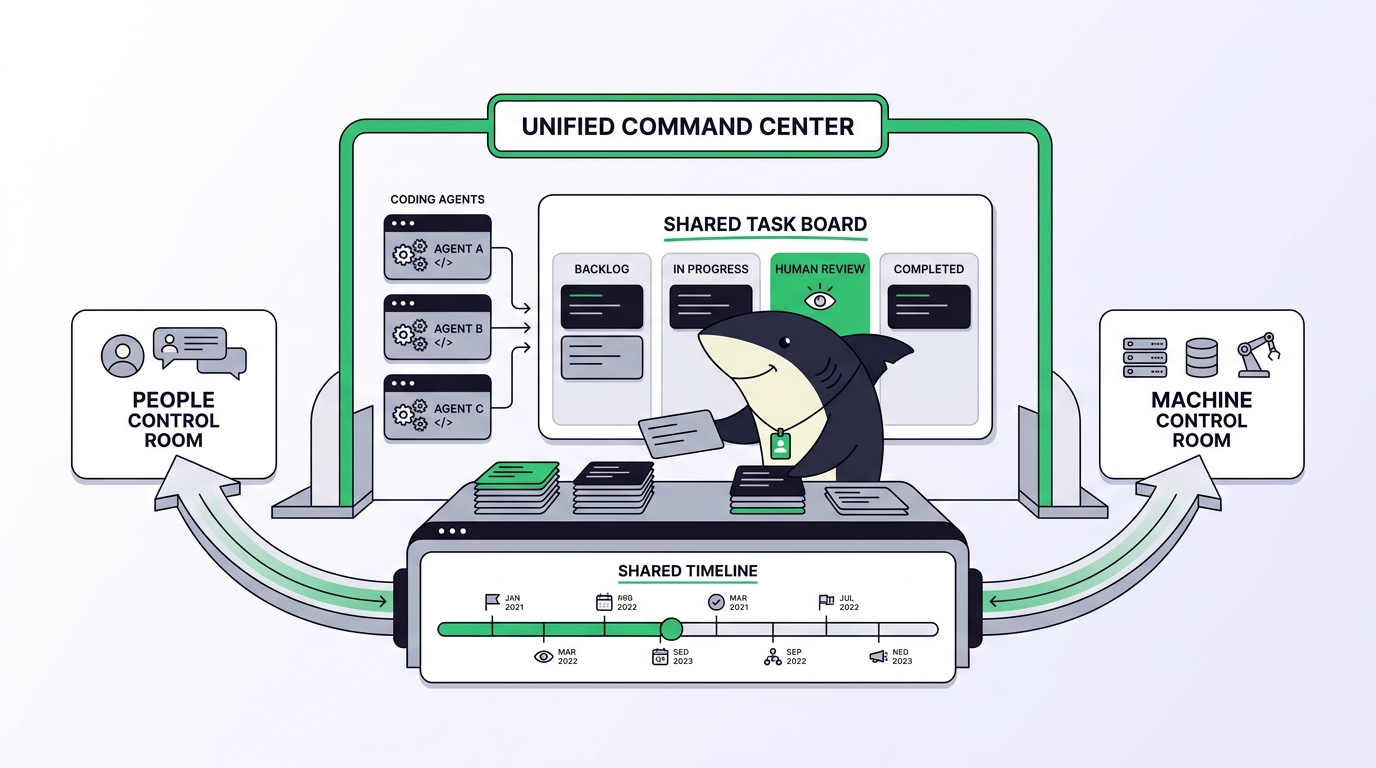
Project Management Tools for Human-Agent Collaboration
Compare project management tools for human-agent collaboration on parallel execution, team visibility, review, and own-machine runs, then pick one by team size.
Sophia Carter
September 10, 2026
 Tools
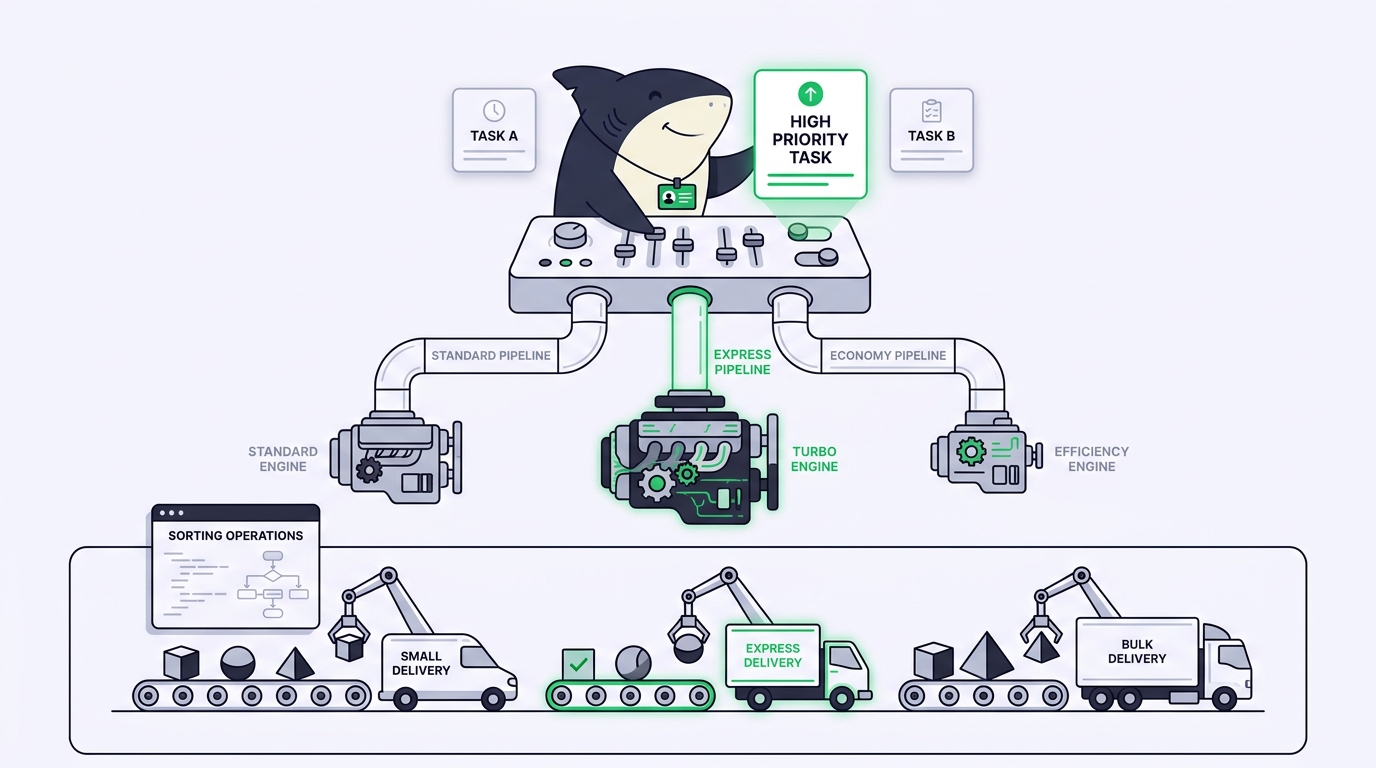
ToolsWhich Model for Which Coding Task? Matching Models to Agent Roles
Stop hunting for the one best model. Match each model to the task's shape: reasoning depth, context size, tool-following, speed and cost, plus a checklist you can run today.
Sophia Carter
September 9, 2026
 Human-Agent Collaboration
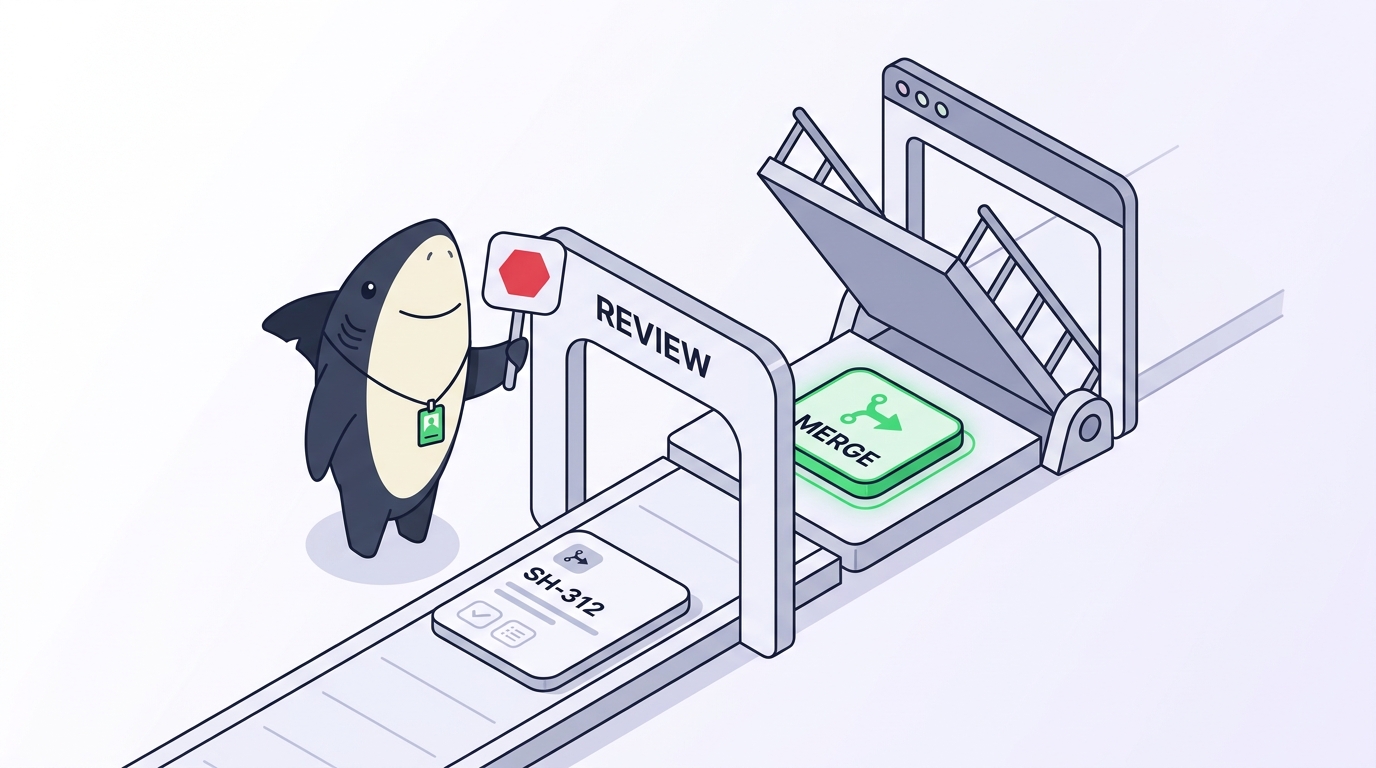
Approval Gates for Coding Agents: Where to Stop Them Before They Merge
Approval gates for coding agents: the operating model of who assigns, runs, reviews, and accepts, plus the statuses that stop a run at human review and one worked example from ticket to merged PR.
Sophia Carter
September 9, 2026
 Tools
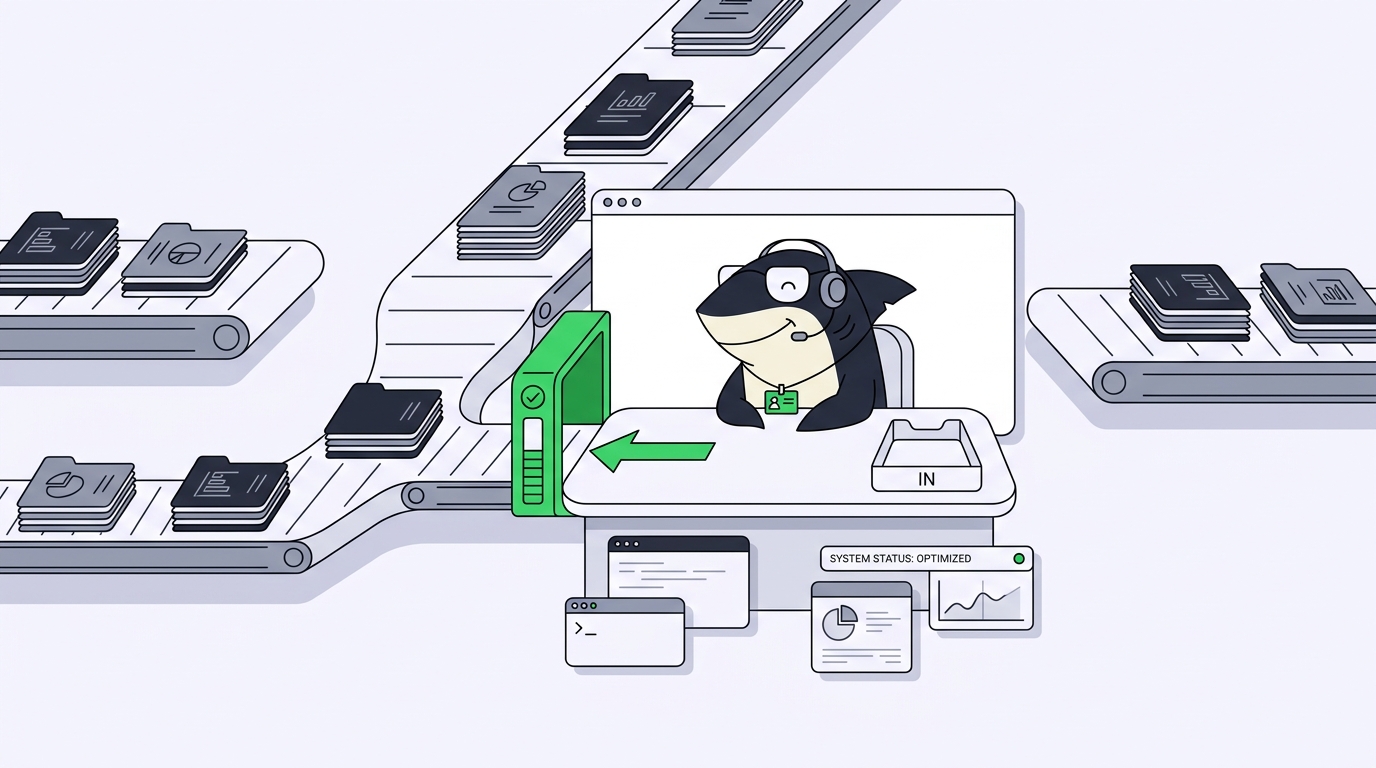
Tools3.1 Agent Workdays per Human Workday: The Review-Capacity Math Nobody Is Doing
OpenAI reports 3.1 agent-workdays per human workday and human interventions in over half of long tasks. The arithmetic, the queue it creates, and how to make review capacity visible.
Sophia Carter
September 8, 2026
 Tutorials
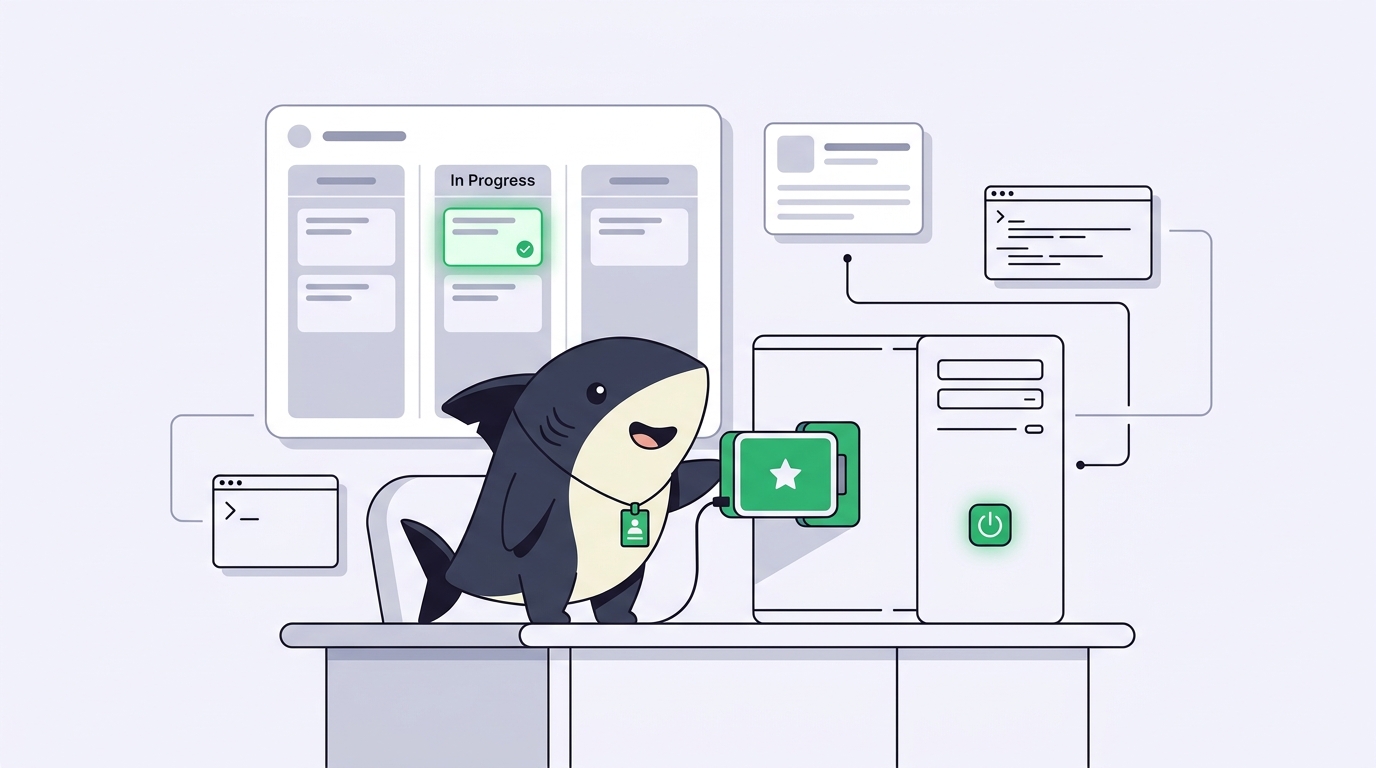
How to Run GPT-6 Astra Agents in Sharkly
Put GPT-6 Astra on your team's board: configure it in Codex on a Computer, build an Agent around how Astra behaves, set the right timeout and worktree mode, and assign one Task.
Sophia Carter
September 5, 2026
 Tutorials
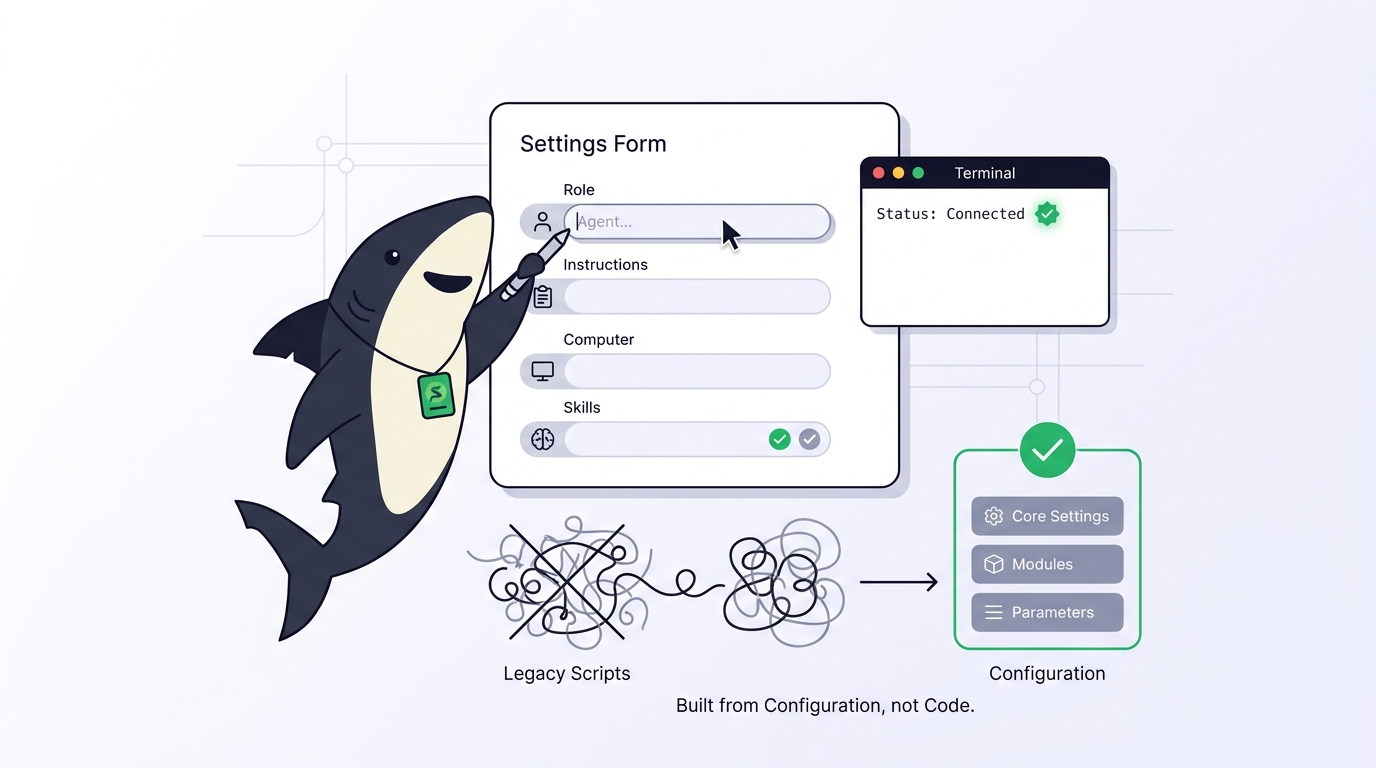
How to Build an AI Agent Without Coding
Build an AI coding agent without writing code: choose a narrow role, connect a Computer, fill in the Agent configuration, add a Skill, and prove the loop with one read-only Task.
Sophia Carter
September 3, 2026