
GPT-6.2 Astra vs Fable 5.2 is closer than the headlines suggest. Both list at $8 per million input tokens and $40 per million output tokens. Anthropic publishes higher agentic coding scores for Fable 5.2; OpenAI publishes no coding benchmark for Astra. Cache pricing, long-context surcharges and your own accepted-change rate decide the winner for your team.
OpenAI released GPT-6.2 Astra on November 17, 2026, eight days after Anthropic shipped Claude Fable 5.2. Both are frontier models aimed at long, hard agent work. If you run coding agents, you now have two flagship options at the same sticker price.
A leaderboard can’t settle this for you. Your dependencies, your test suite and your reviewers can. This guide compares the published numbers, shows where the bills diverge, and gives you a head-to-head test you can run on your own repository. If you already run Codex and Claude Code side by side, Sharkly is where you assign both the same task and keep the results together.
GPT-6.2 Astra vs Fable 5.2: the specs side by side
GPT-6.2 Astra is OpenAI’s frontier model in the GPT-6.2 family; GPT-6.2 Sol is its cheaper everyday sibling. Claude Fable 5.2 is Anthropic’s top generally available model, with Mythos 5.2 held back as a limited-access release. Here is what each vendor publishes, checked November 20, 2026.
| GPT-6.2 Astra | Claude Fable 5.2 | |
|---|---|---|
| Released | November 17, 2026 | November 9, 2026 |
| API model ID | gpt-6.2-astra |
claude-fable-5-2 |
| Input, per 1M tokens | $8 | $8 |
| Output, per 1M tokens | $40 | $40 |
| Cached input (cache hit) | $0.40 | $0.20 |
| Cache write | $10 (30-minute) | $10 (5-minute), $16 (1-hour) |
| Batch | 50% of standard | $4 input, $20 output |
| Fast mode | 2x standard | $16 input, $80 output |
| Context window | 1,050,000 tokens (922,000 max input) | 1M tokens at standard pricing |
| Max output | 128,000 tokens | 128,000 tokens |
| Long-input surcharge | Above 272K input: input and cache rates double, output 1.5x | None listed |
| Usual coding agent | Codex | Claude Code |
Sources: OpenAI’s GPT-6.2 Astra model page, Anthropic’s pricing documentation and models overview.
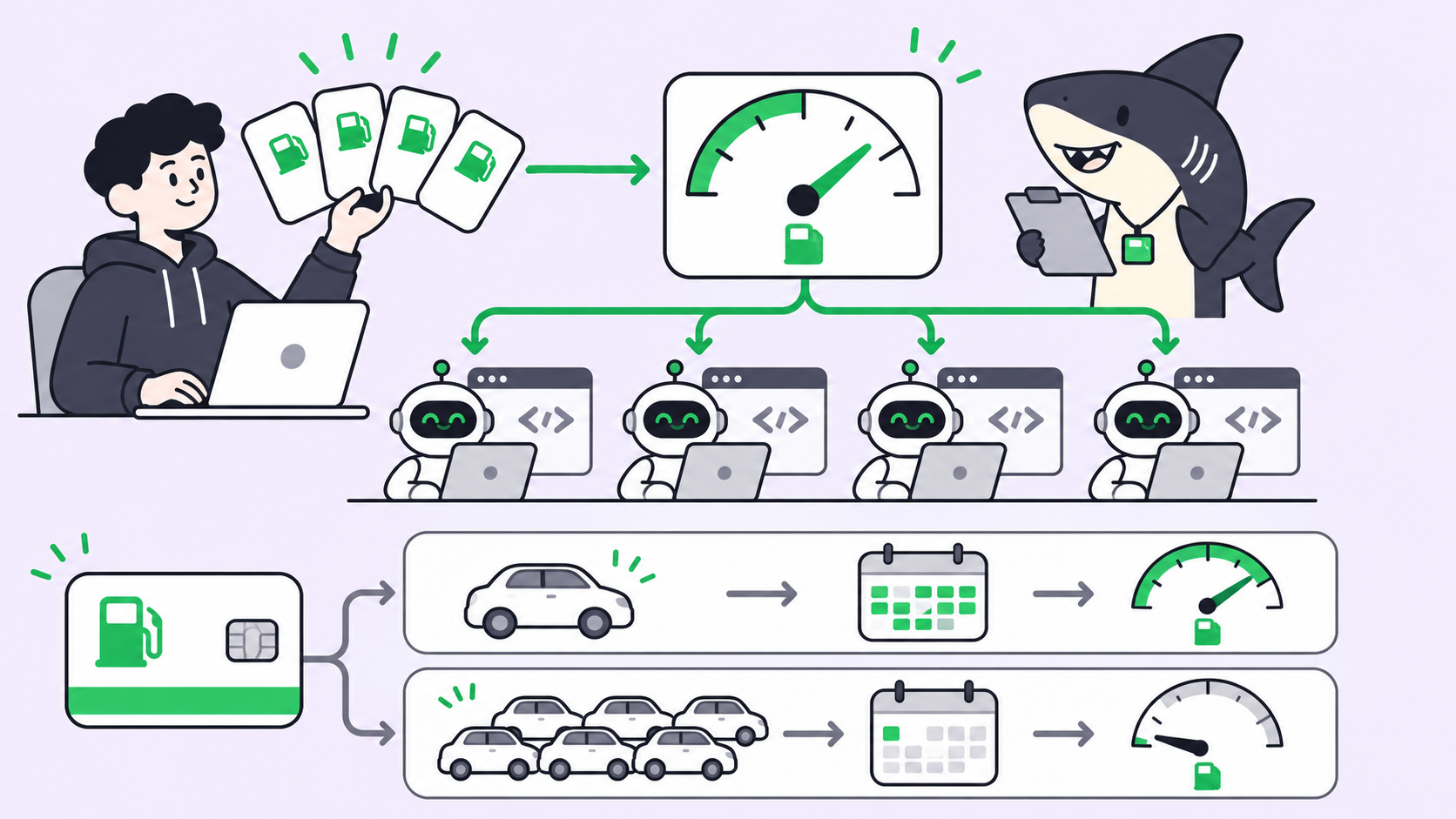
Two rows matter most for agents. A coding agent resends its context every turn, so the cache-hit rate shapes most of the bill. And an agent that has read a large repository can cross 272K input tokens, where Astra’s rates change.
What the coding benchmarks say, and what they don’t
Anthropic’s Fable 5.2 announcement reports 69.9% on FrontierSWE v2 and 49.1% on FrontierCode 2.0 at Xhigh effort. In the same table, the OpenAI comparison column is labeled GPT-6 Astra, the previous generation, at 65.5% and 42.8%.
That table doesn’t include GPT-6.2 Astra. OpenAI’s model page lists no SWE-style coding score for it either. Simon Willison’s launch write-up notes that “Astra 6.2 isn’t scoring quite as high as Fable 5.2 on various benchmarks,” and that some users find its communication style “can be confusing.”
So the honest reading has three parts:
- Fable 5.2 has published, vendor-run agentic coding scores ahead of the last Astra.
- No vendor has published a direct coding comparison against GPT-6.2 Astra.
- Every number above was run by the model’s own vendor, on its own harness, at chosen effort levels.
Treat benchmarks as a shortlist filter. This article includes no independent test results of either model.
Where the bills diverge
Equal list prices don’t mean equal invoices. Three mechanics split them.
Cache hits
Fable 5.2 charges $0.20 per million tokens on a cache hit. Astra charges $0.40. For an agent that resends a 100,000-token cached prefix 50 times in a session, that prefix costs $1.00 on Fable and $2.00 on Astra, before new input and output. Simon Willison still calls Astra’s cached price “great news for longer running agentic sessions”; it is far below the $8 uncached rate.
Long context
Astra’s rates step up once a request goes above 272K input tokens. Anthropic lists the full 1M context at standard rates for Fable. If your agents routinely load half a monorepo, model that threshold before you commit.
Effort and tokens per task
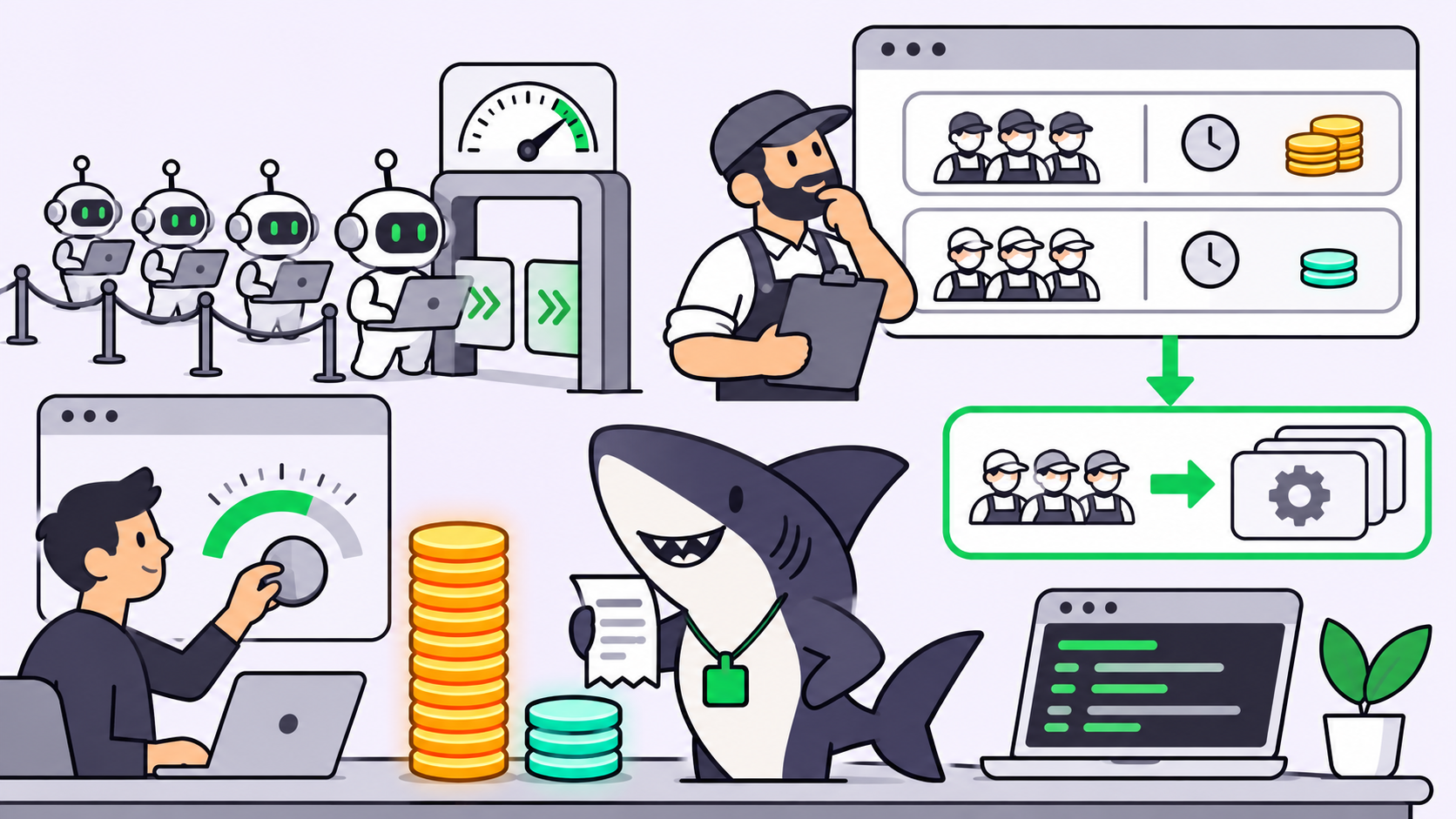
Both models expose effort levels, and higher effort burns more tokens. Simon’s informal SVG test shows the spread on one prompt: GPT-6.2 Astra cost 11.55 cents at High effort and 88.71 cents at Max. That is one toy prompt, not a coding benchmark, but the 7x gap shows why you should fix the effort level before you compare costs.
Our Fable 5.2 pricing breakdown works through retries and review time; the GPT-6.2 rate limits guide covers the token-per-minute ceiling Astra agents hit first.
How to run a GPT-6.2 Astra vs Fable 5.2 test on your own repo
A head-to-head on your own code beats any published table. The method below follows our longer guide to evaluating Fable 5.2 on your codebase; here it runs as a two-model duel.
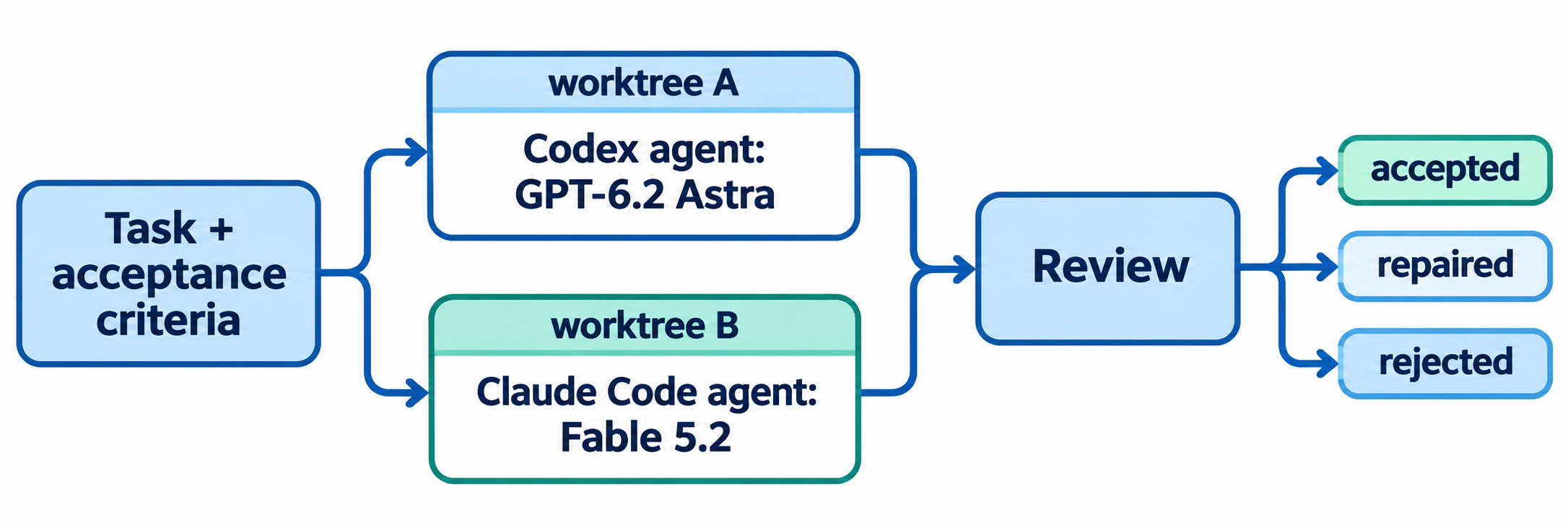
- Pick 10 to 12 recent tasks from your backlog: bug fixes, small additions, a refactor and one investigation.
- Write acceptance criteria first, before either agent runs, so neither result shapes the bar.
- Fix the harness. Astra runs best in Codex and Fable in Claude Code, so you are comparing two full workflows. Say so in your write-up.
- Fix the effort level. Pick High on both, or name the exact settings you used.
- Isolate every attempt in a fresh git worktree, so neither agent inherits the other’s edits.
- Run each task on both models, alternating which goes first.
- Review blind where you can, and score each result as accepted, accepted after repair, or rejected.
- Divide total spend by accepted changes, failed attempts included.
Cost per accepted change is the number that decides. A model that is 20% cheaper per token but needs one extra repair cycle per task is the more expensive model for your team.
Run both models as Agents in Sharkly
Sharkly runs the coding agents you already use; it doesn’t replace them. An Agent in Sharkly is a configured AI teammate that executes Tasks through a Runtime, such as Codex or Claude Code, on a Computer you connect.
Set up the duel with two Agents:
- Astra Agent: a Codex Runtime configured for
gpt-6.2-astra. - Fable Agent: a Claude Code Runtime configured for
claude-fable-5-2.
Each Agent has a default model, picked under Computer, Runtime and Working directory from the models its Runtime reports. Check the Sharkly help center for the current Agent settings.
Set the same run limits on both Agents, so neither gets more parallel runs or a longer time budget than the other.
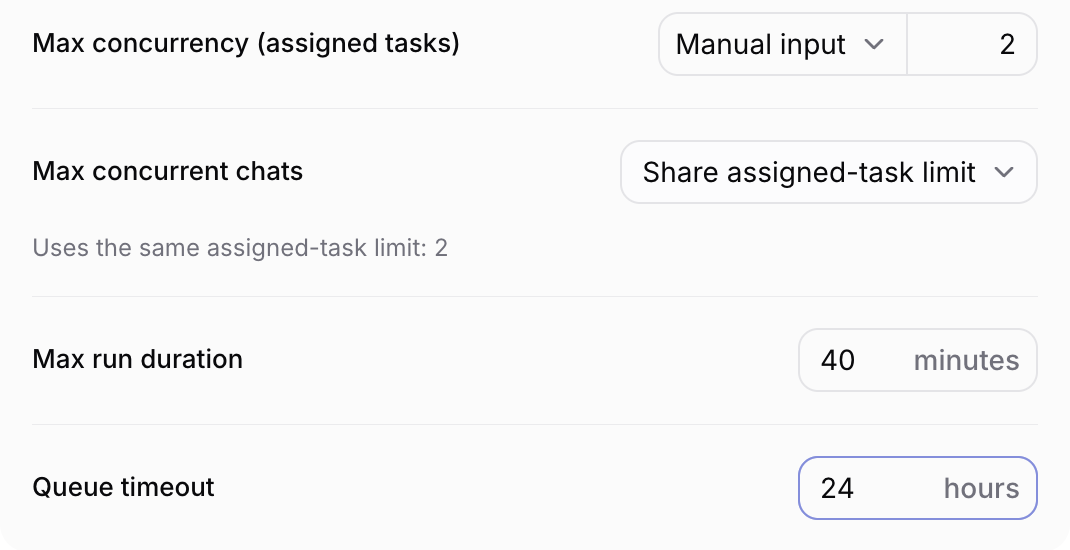
Use Temporary working-directory mode, so each Task gets an isolated directory and repository-backed runs can prepare a fresh worktree. Put the acceptance criteria in the Task description. Each Agent reports its patch and checks back to its own Task, which keeps every attempt next to the reviewer’s verdict.
Model usage stays on your own subscriptions and API keys. Sharkly doesn’t sell tokens, and model quota depends on the tools, plans and API accounts your team connects.
Alternatives to a straight Astra vs Fable choice
You don’t have to crown one model.
- Split by task type. Use Fable 5.2 on categories where it wins your test, Astra on the rest.
- Lead with one, staff with the other. A frontier model plans and reviews; a cheaper model does the routine pieces, the pattern in GPT-6 Astra as your Crew leader.
- Drop a tier. GPT-6.2 Sol lists at $2 input and $10 output per million tokens. For routine maintenance it may clear your bar at a quarter of the price.
- Keep both live. Provider neutrality is the point: no single model stays best for long, as Argon, Astra and Opus argued.
Real-world use cases
- Long migrations. Anthropic reports a team of Fable 5.2 agents moved a production service from Python to Rust. Test that kind of work with your own slice before you trust either model with it.
- Large-repo investigations. Cross 272K input tokens and Astra’s pricing changes. Run the cost model at your real context size.
- Parallel bug queues. Ten small fixes split across both Agents give you an accepted-change rate per model inside a week.
Conclusion
GPT-6.2 Astra and Fable 5.2 cost the same per token on paper. Fable has the stronger published coding scores and cheaper cache hits; Astra has a slightly larger context window but steeper rates above 272K input. Neither fact tells you which one ships more accepted code in your repository.
Run the duel. Connect one Computer to Sharkly, create a Codex Agent on GPT-6.2 Astra and a Claude Code Agent on Fable 5.2, and assign both the same five tasks this week. Keep the model that wins on cost per accepted change.
FAQ
Is GPT-6.2 Astra cheaper than Claude Fable 5.2?
No. Both list at $8 per million input tokens and $40 per million output tokens. Fable’s cache hits are cheaper ($0.20 vs $0.40), and Astra’s rates rise above 272K input tokens.
Which is better for coding, GPT-6.2 Astra or Fable 5.2?
Anthropic reports higher agentic coding scores for Fable 5.2 than for the previous GPT-6 Astra. No published benchmark compares Fable 5.2 directly with GPT-6.2 Astra, so test both on your own tasks.
What is the context window of GPT-6.2 Astra and Fable 5.2?
GPT-6.2 Astra lists 1,050,000 tokens with a 922,000-token input cap. Fable 5.2 includes a 1M-token context at standard pricing. Both cap output at 128,000 tokens.
Can I use GPT-6.2 Astra in Claude Code or Fable 5.2 in Codex?
Each model is usually run in its own vendor’s coding agent: Astra in Codex, Fable in Claude Code. Comparing them typically means comparing two full workflows, model plus harness.
How do I compare two coding models fairly?
Use the same tasks, written acceptance criteria, fixed effort levels and isolated worktrees. Score accepted, repaired and rejected results, and divide total spend by accepted changes.
Does Sharkly pick the model for my Agent?
No. You pick each Agent’s default model from the models its Runtime reports. Sharkly doesn’t route tasks between models automatically.