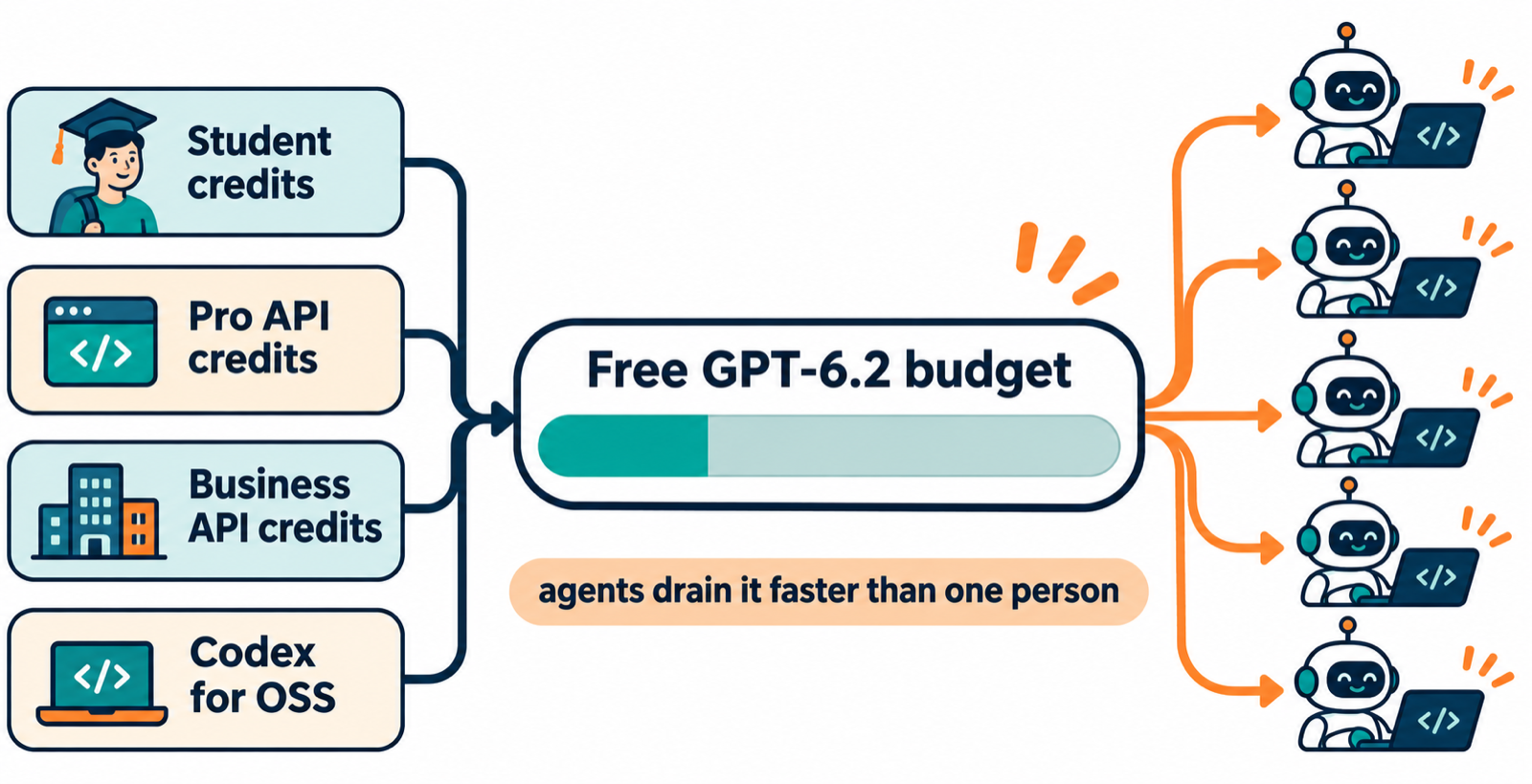
Astra and Sol start on the ChatGPT Plus plan in Codex, and the API has no free tier. You can still try them at $0 out of pocket: verified students get $100 in Codex credits, Pro and Business subscribers get monthly API credits, and open-source maintainers can apply to Codex for OSS.
This guide lists every $0 route OpenAI documents for GPT-6.2 Astra and Sol, then runs the numbers for agent workloads, where a credit grant that lasts a person a month can drain in a day.
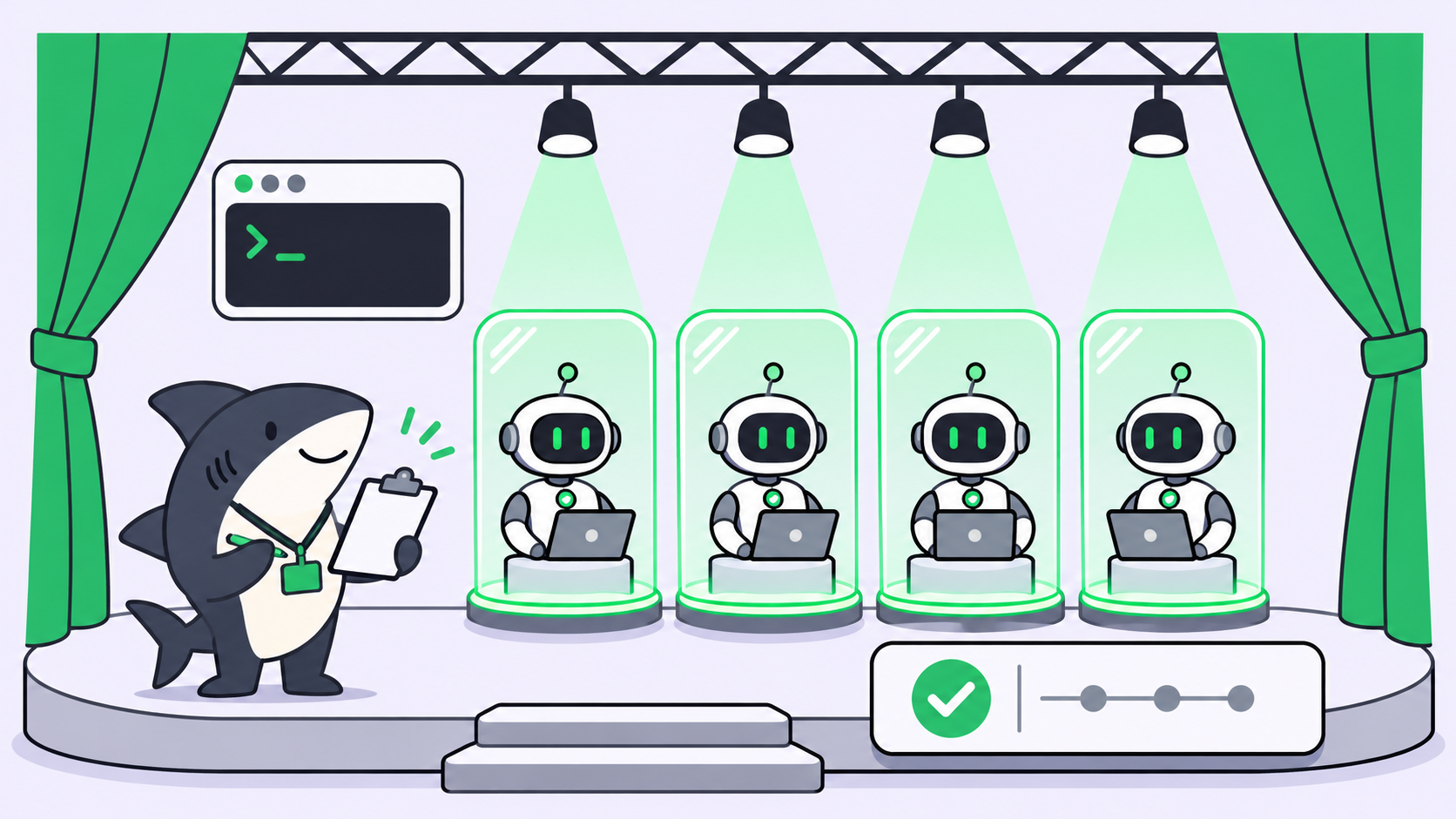
If you already run several coding agents, Sharkly is where you cap how many of them spend that budget at once.
Is GPT-6.2 free on any plan?
GPT-6.2 is not included in any $0 plan. OpenAI’s Codex pricing page lists GPT-6 Luna, not GPT-6.2, for the Free and Go plans. The usage table for GPT-6.2 Astra and Sol starts at Plus, and the API model pages list paid usage tiers only.
OpenAI shipped GPT-6.2 Astra and GPT-6.2 Sol on November 17, 2026, as gpt-6.2-astra and gpt-6.2-sol. Here is where each surface stands:
| Surface | Cheapest entry | GPT-6.2 access | What you pay |
|---|---|---|---|
| ChatGPT Free | $0 | No. GPT-6 Luna in the desktop app, subject to rollout | Nothing |
| ChatGPT Go | $8/month | No. GPT-6 Luna, same as Free | Subscription |
| ChatGPT Plus | $20/month | Yes, in Codex and ChatGPT Work | Subscription, five-hour usage windows |
| ChatGPT Pro | From $100/month | Yes, no five-hour limit for now | Subscription; weekly limits may apply |
| API key | Pay as you go | Yes, both models | Per token, from the Build tier |
The API row is the one that confuses people. The GPT-6.2 Sol model page lists three rate-limit tiers, Build, Launch, and Grow, and no free tier. Sol costs $2 per million input tokens and $10 per million output; Astra costs $8 and $40.
Four ways to try GPT-6.2 at $0 out of pocket
None makes GPT-6.2 free in general. Each gives one group credits that cover GPT-6.2 usage for a while.
- Codex for Students. Verified university students in the United States and Canada can claim $100 in ChatGPT credits for Codex, shown as 2,500 credits. They expire 12 months after the grant. Details are on the student program page.
- API credits for Pro subscribers. The $100, $200, and $500 Pro tiers include $100, $200, and $500 in monthly API credits.
- API credits for Business workspaces. Business Standard adds $20 per paid seat and Premium adds $100 per paid seat, pooled and capped at $500 per workspace per month.
- Codex for OSS. Maintainers of widely used open-source projects can apply for API credits, ChatGPT Pro with Codex, and selective access to Codex Security, per the Codex open-source page.
What the student credits cover
Student credits are ChatGPT credits, not API credits. They extend Codex usage beyond your plan’s allowance, and you need a Free, Go, Plus, or Pro account to claim them. The program page does not say whether credits on a Free account unlock GPT-6.2.
The fine print on subscriber API credits
The API credits guide sets four conditions. Your Pro or Business subscription must be paid and at least seven days old, and free trials do not qualify. You must own both the subscription and the API organization, under the same email. Credits expire at the end of each billing cycle and do not roll over. You need no API payment method while credits are active, and normal API rate limits still apply.
So the Pro route is prepaid, not free. If you already pay for Pro, that allowance is spent whether you use it or not.
How far free GPT-6.2 credits go for coding agents
Each agent turn resends the instructions, the files read, and the tool output so far. Take one illustrative turn: 80,000 input tokens and 2,000 output tokens, and a task that takes 40 turns.
| Model | Cost per turn, no cache | Cost per turn, 75% cached | Tasks per $100, no cache | Tasks per $100, cached |
|---|---|---|---|---|
| GPT-6.2 Sol | $0.18 | $0.066 | about 14 | about 37 |
| GPT-6.2 Astra | $0.72 | $0.264 | about 3 | about 9 |
These are API rates before cache-write charges, and your turn sizes will differ; the ratio is what matters. A $100 Pro grant runs roughly 37 cached Sol tasks of this size, or 9 on Astra. Two people with three agents each clear that by midweek.
Caching changes the bill more than the model choice
Cached input costs $0.10 per million on Sol and $0.40 on Astra, 95% off the standard input rate. Keep instructions and AGENTS.md stable between turns so more of each request hits the cache. Requests over 272K input tokens double the input and cache rates for the whole request, so trim context before it crosses that line.
Trial limits that hit agent teams first
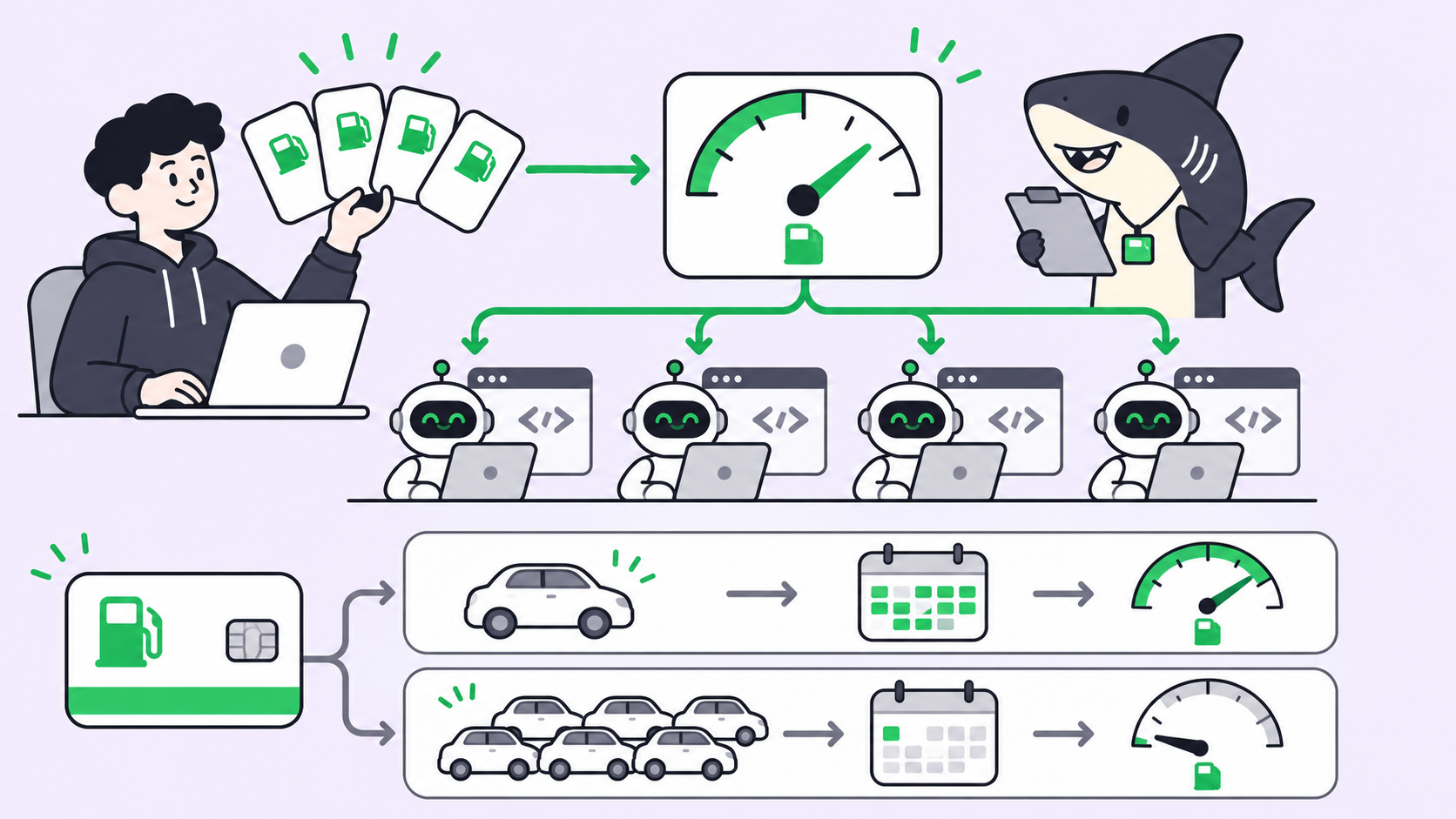
- Plan windows are shared. On Plus, OpenAI estimates 6 to 50 local Codex messages per five-hour window on Astra and 17 to 180 on Sol. Every agent signed into the same account draws from that one window.
- Speed costs allowance. Fast mode draws 2x included usage on GPT-6.2 models. In the API, Ultrafast costs 3x the standard rate through February 28, 2027, and 6x from March 1.
- Credits have a clock. Subscriber API credits expire each billing cycle. A burst at the start of the month cannot borrow from next month.
- Rate limits are per organization. All keys in one OpenAI project share one requests-per-minute and tokens-per-minute pool. We break those numbers down in GPT-6.2 rate limits for agent teams.
One agent fits inside a trial. Five agents in parallel spend it before anyone checks the dashboard.
Run GPT-6.2 trial credits across a team with Sharkly
Sharkly does not sell model tokens. Per Sharkly’s pricing page, checked on November 20, 2026, organizations of up to 5 people use the full product at $0, Agents and Computers do not occupy seats, and “model tokens stay on the coding plan the Computer already uses.” The model side is your plan or key; the platform side can cost nothing.
What Sharkly adds is control over how fast a shared allowance burns. Each Agent runs on a Runtime, such as Codex, on a Computer you connect. Per the Agents documentation, each Agent carries:
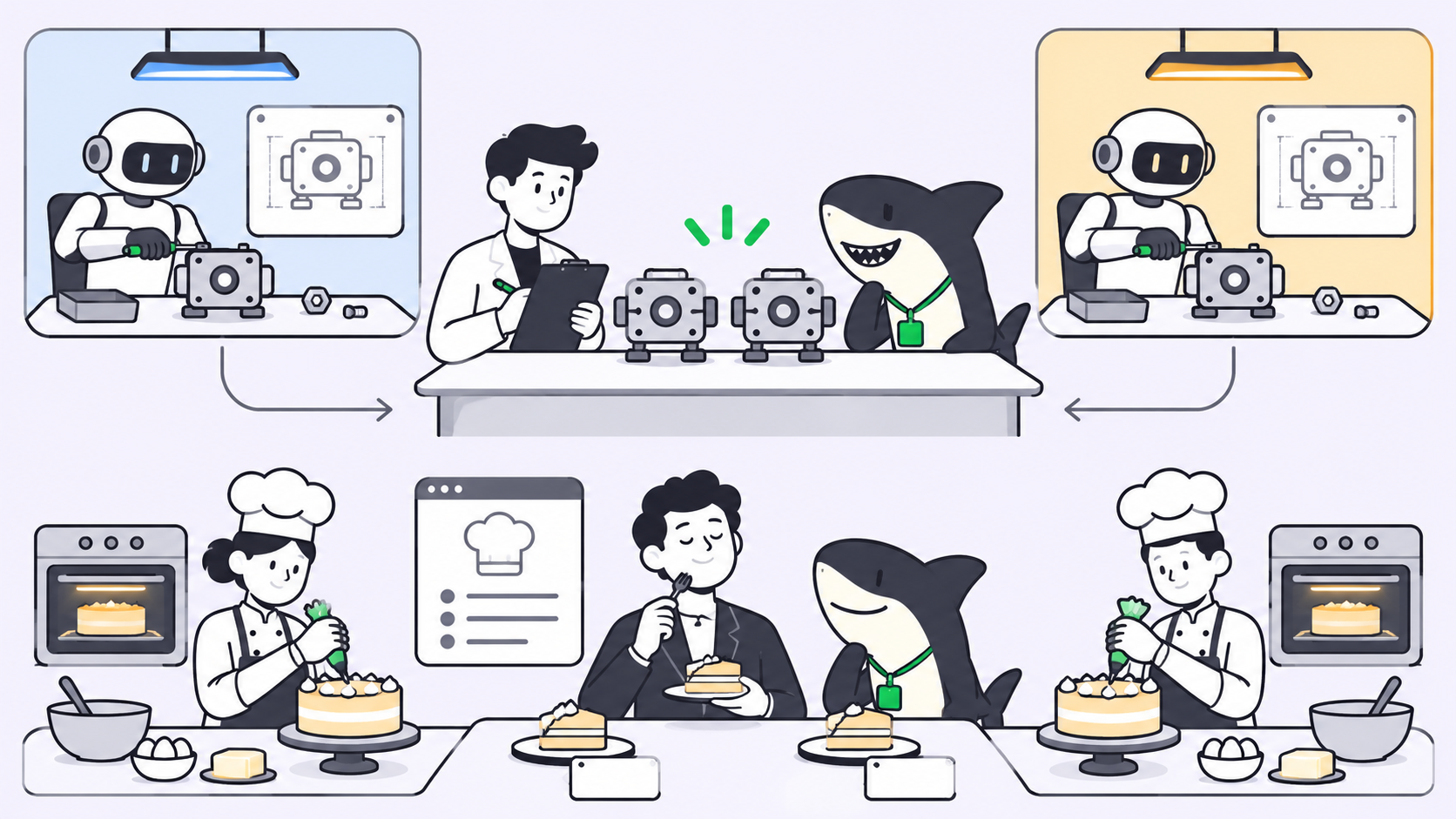
- A Model row that picks from the catalogue its Runtime reports, so one Agent can stay on
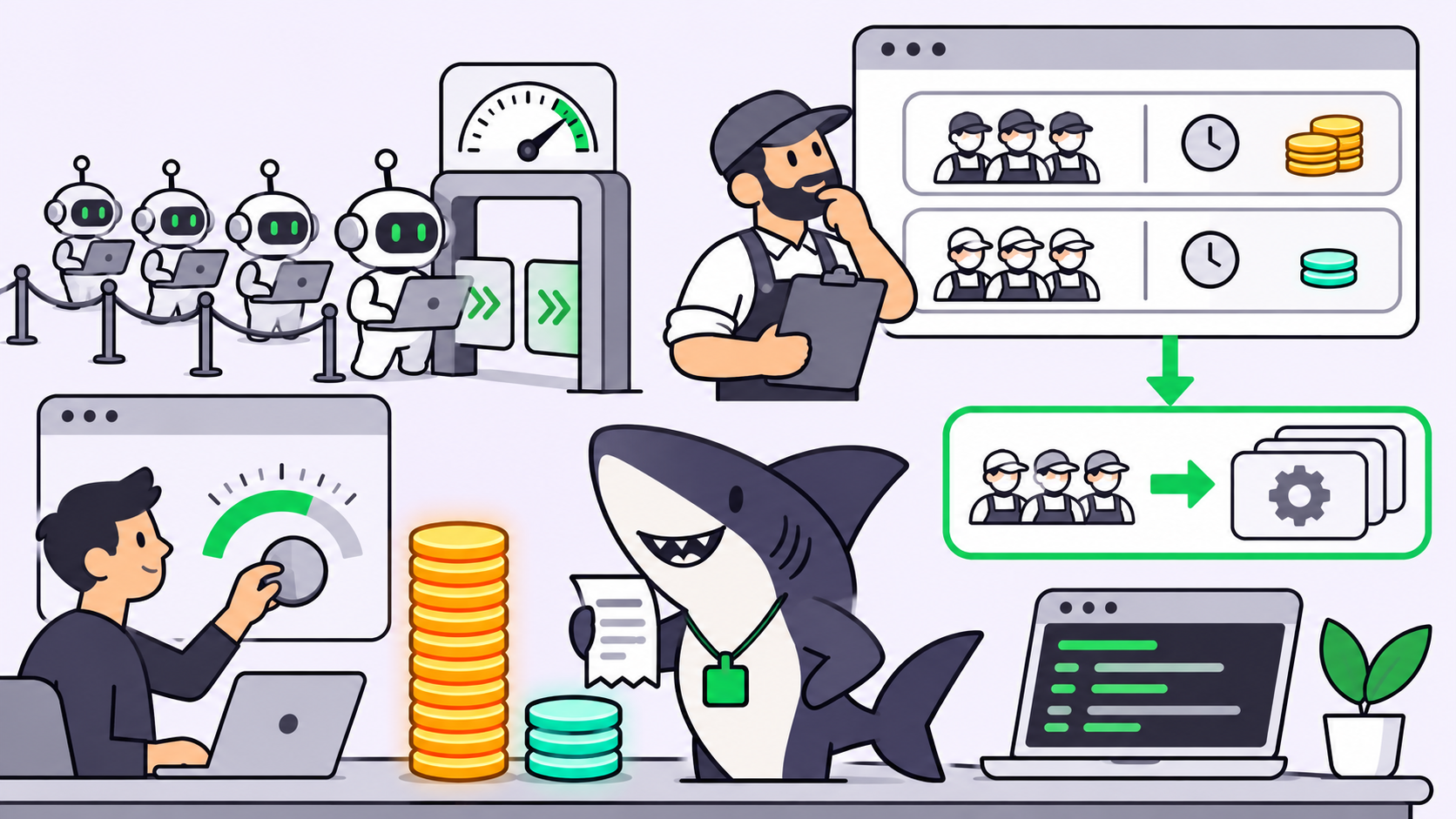
gpt-6.2-solwhile another usesgpt-6.2-astra. - Max concurrency for assigned Tasks and for chats, so extra work waits in the queue instead of draining credits in parallel.
- A per-Task max run duration and a queue timeout, so a stuck run stops spending.
- Environment variables injected when the agent process starts, which is where an API key from your credit-funded OpenAI organization goes. The settings page notes these are plaintext settings visible to Agent managers, not secret storage, so use a key scoped to that one project.
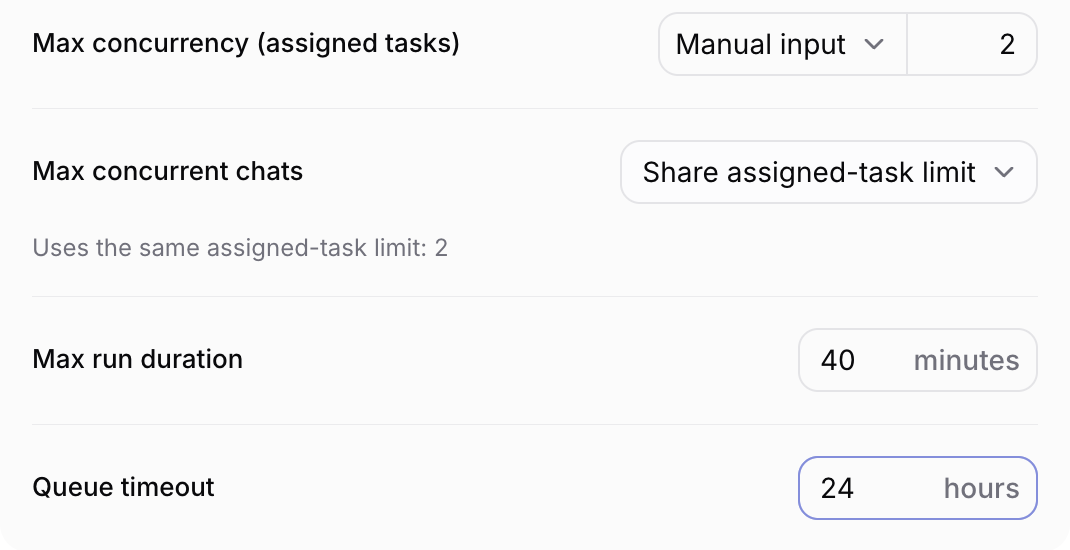
Set one Sol Agent to a concurrency of 2 and point it at routine Tasks. Execution, blockers, and results return to the Task, so you can see which work spent the credits. Agents execute and report; people set direction and accept the result.
Astra or Sol on a free budget
Use Sol when the work is bounded: bug fixes with a reproduction, test generation, reviews, and documentation. It costs a quarter of Astra per token and gets about three times as many Codex messages per window on Plus.
Use Astra when a wrong plan costs more than the tokens: cross-service bugs, architecture changes, and turning a vague goal into Tasks. On credits, give Astra one Agent and route it only Tasks a person marks as hard. Our GPT-6.2 Codex guide covers setting the model per Computer and per Agent.
Alternatives when the credits run out
- GPT-6 Luna on the Free plan. It costs nothing in the ChatGPT desktop app, but it seats a person at a keyboard, not a Runtime. We covered that boundary in GPT-6.1 Sol and free coding agents.
- The Batch API. It costs 50% of standard rates for work that can wait hours, such as evals and bulk classification.
- A Plus plan on one Computer. The cheapest paid route to GPT-6.2 in Codex; its five-hour windows double as a spending ceiling.
Conclusion
GPT-6.2 is not free, but students, open-source maintainers, and existing Pro or Business subscribers can try it without new spending. The credits are generous for one person and thin for an agent team. Spend them on Sol first, keep context cacheable, and cap concurrency before the first run.
Your next step: connect one Computer to Sharkly, create one Codex Agent on gpt-6.2-sol with a max concurrency of 2, and assign it one low-risk Task from your backlog.
FAQ
Is GPT-6.2 free in ChatGPT?
No. OpenAI’s Codex pricing page lists GPT-6 Luna for the Free and Go plans. GPT-6.2 Astra and Sol usage starts on Plus at $20 per month.
Is there a free GPT-6.2 API tier?
No. The model pages list Build, Launch, and Grow rate-limit tiers only. Pro and Business subscribers can claim monthly API credits that cover GPT-6.2 calls.
Can students use GPT-6.2 for free?
Verified university students in the US and Canada get $100 in ChatGPT credits for Codex. They are not API credits, and they expire 12 months after the grant.
Do ChatGPT Pro API credits roll over?
No. Unused credits expire at the end of each billing cycle. Free trials and complimentary subscriptions do not qualify for them.
Does Sharkly charge for GPT-6.2 usage?
No. Model usage runs through your own Codex plan or API key. Sharkly is free for organizations of up to 5 people, and Agents do not occupy seats.