
Lucas Hayes
 Human-Agent Collaboration
Haiku 5.5 as a Subagent or as Its Own Agent: Where Cheap Work Should Live
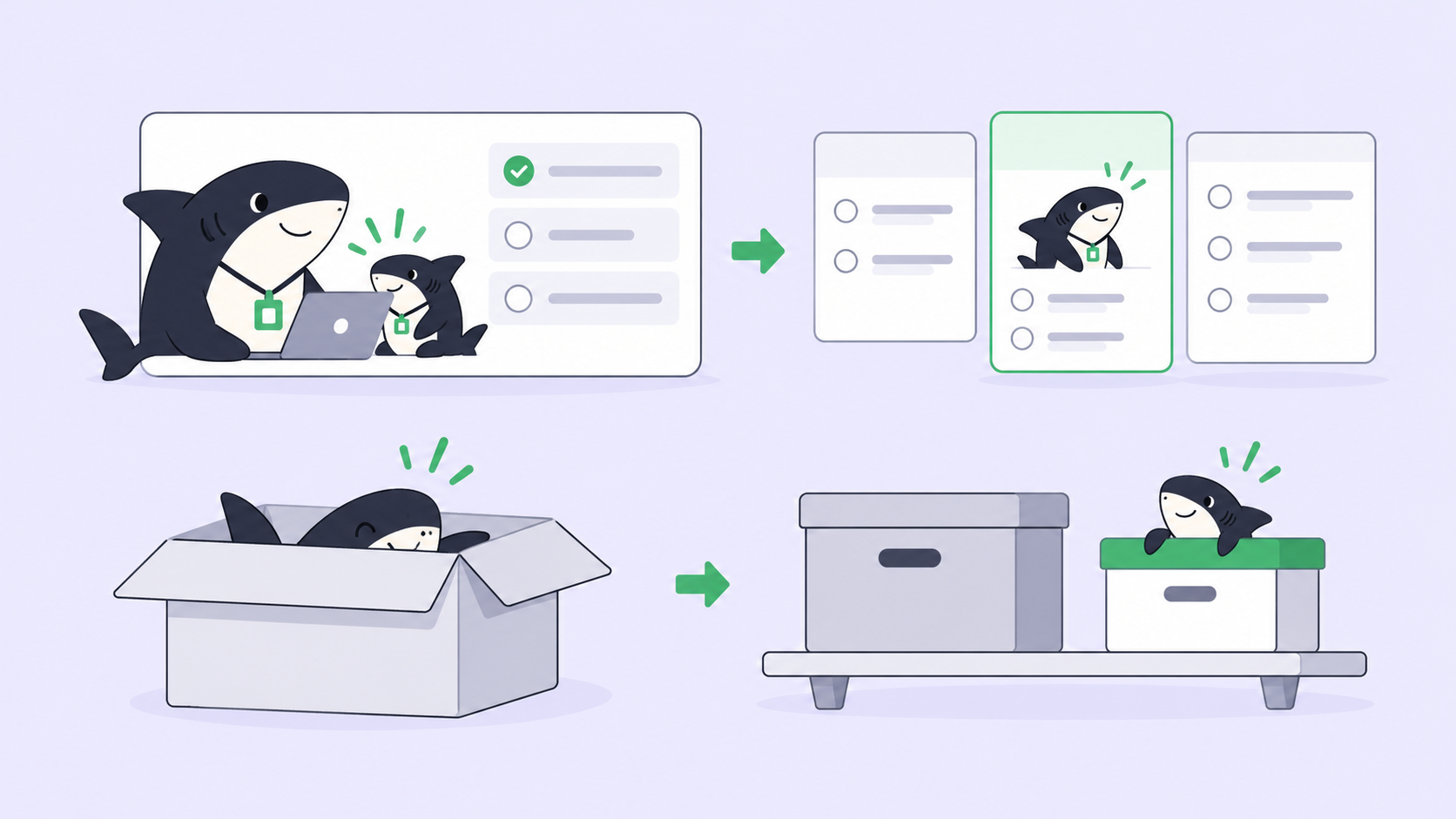
Anthropic built Haiku 5.5 to be a subagent. A placement rule for cheap work: in-run subagent when the lead checks it, its own Agent and Task when it ships.
Lucas Hayes
October 8, 2026
 Human-Agent Collaboration
Codex Cloud Is Here. When Should Your Agents Still Run on Your Own Computers?
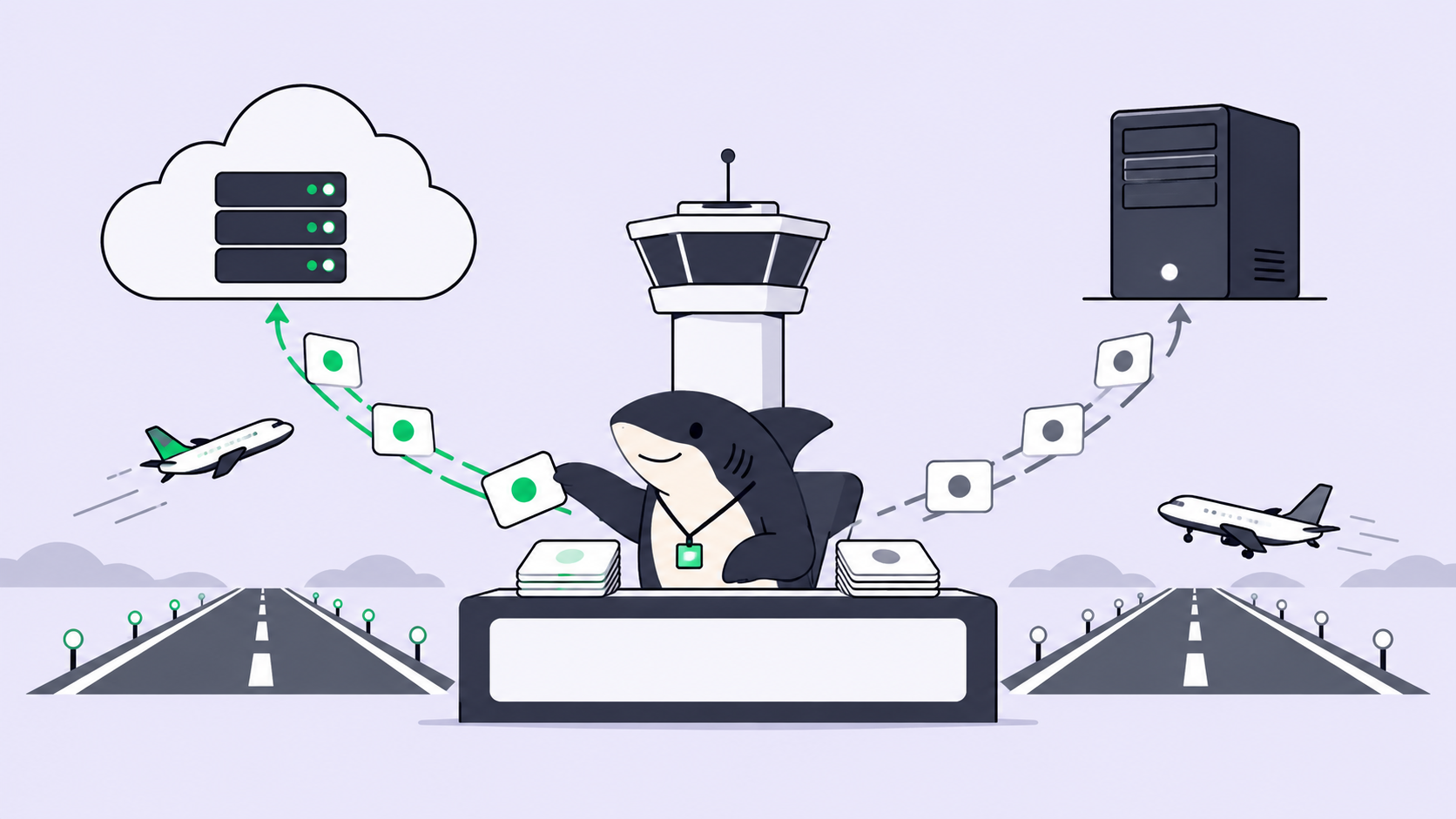
Codex cloud runs tasks in reusable environments while your laptop sleeps. When your own Computers still win: other Runtimes, private networks, custom hardware.
Lucas Hayes
October 2, 2026
 Tutorials
Claude Sonnet 5.5 vs GPT-6 Sol: Two Runtimes at the Same Price
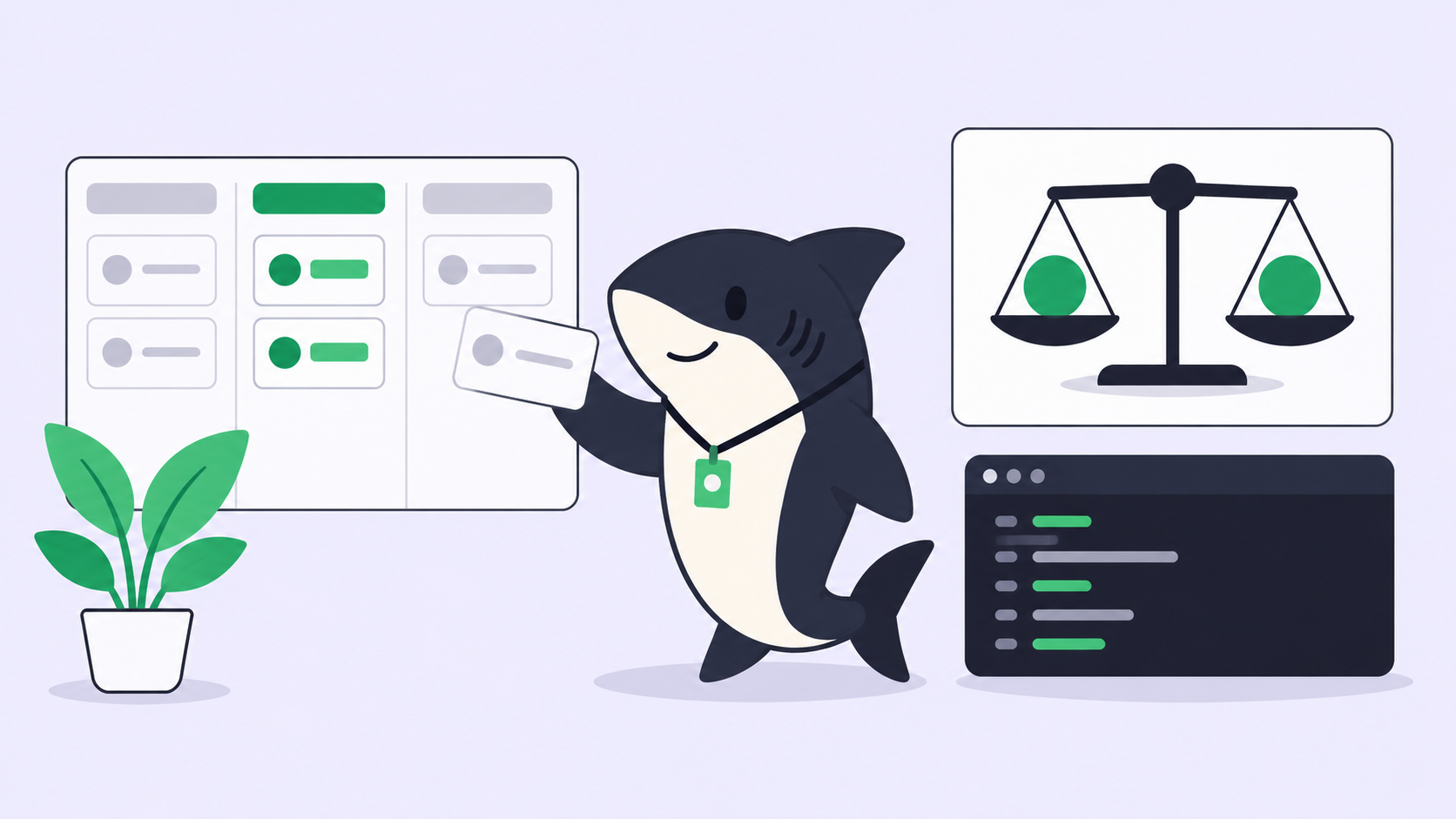
Claude Sonnet 5.5 and GPT-6 Sol both list at $2/$10. What the shared benchmarks show, why cost per task flips with effort, and how to test both on your code.
Lucas Hayes
September 29, 2026
 Tutorials
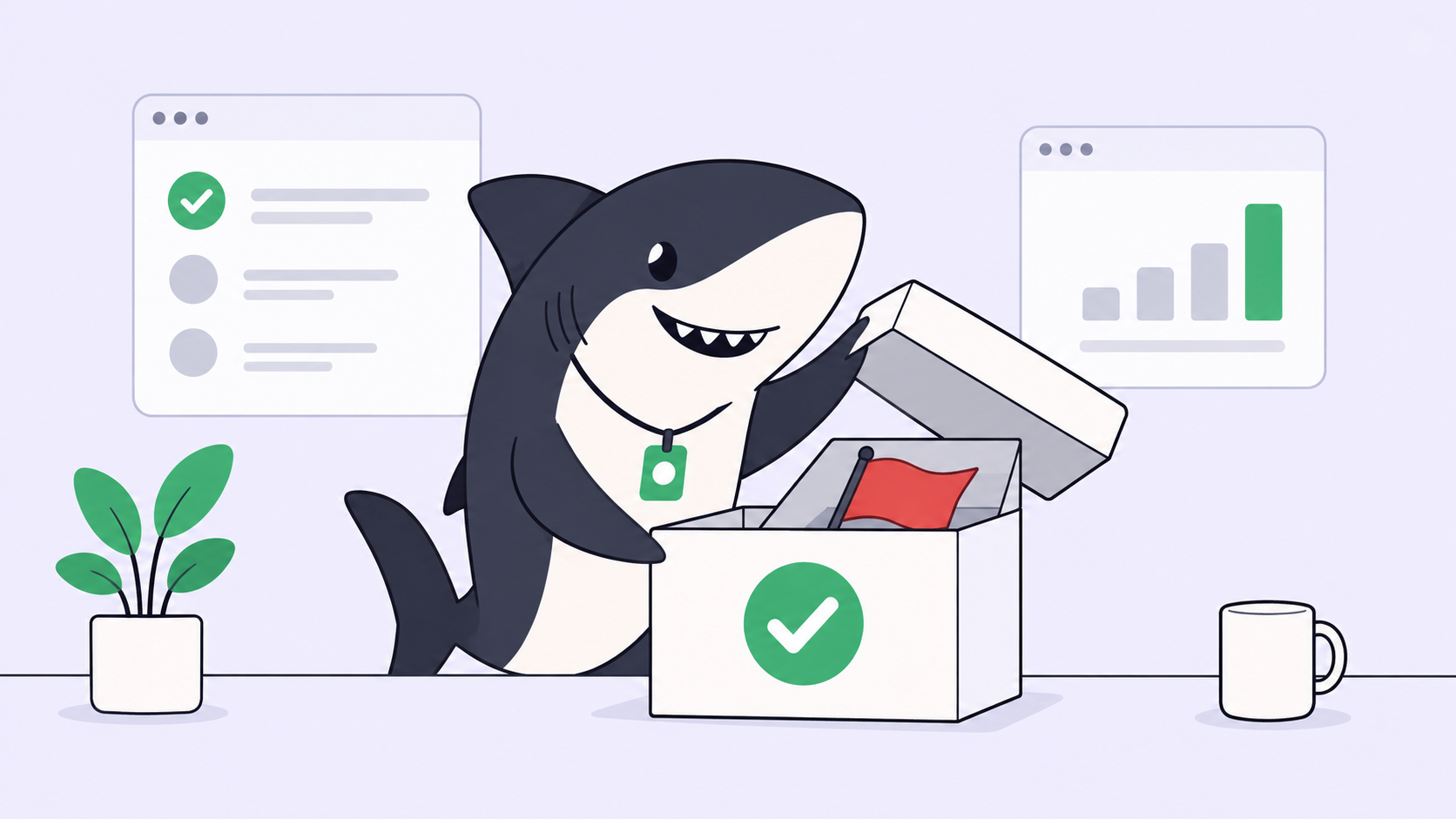
Prompt Injection and Agent Guardrails: Why Claude Opus 5.5 Does Not Replace Your Review Gate
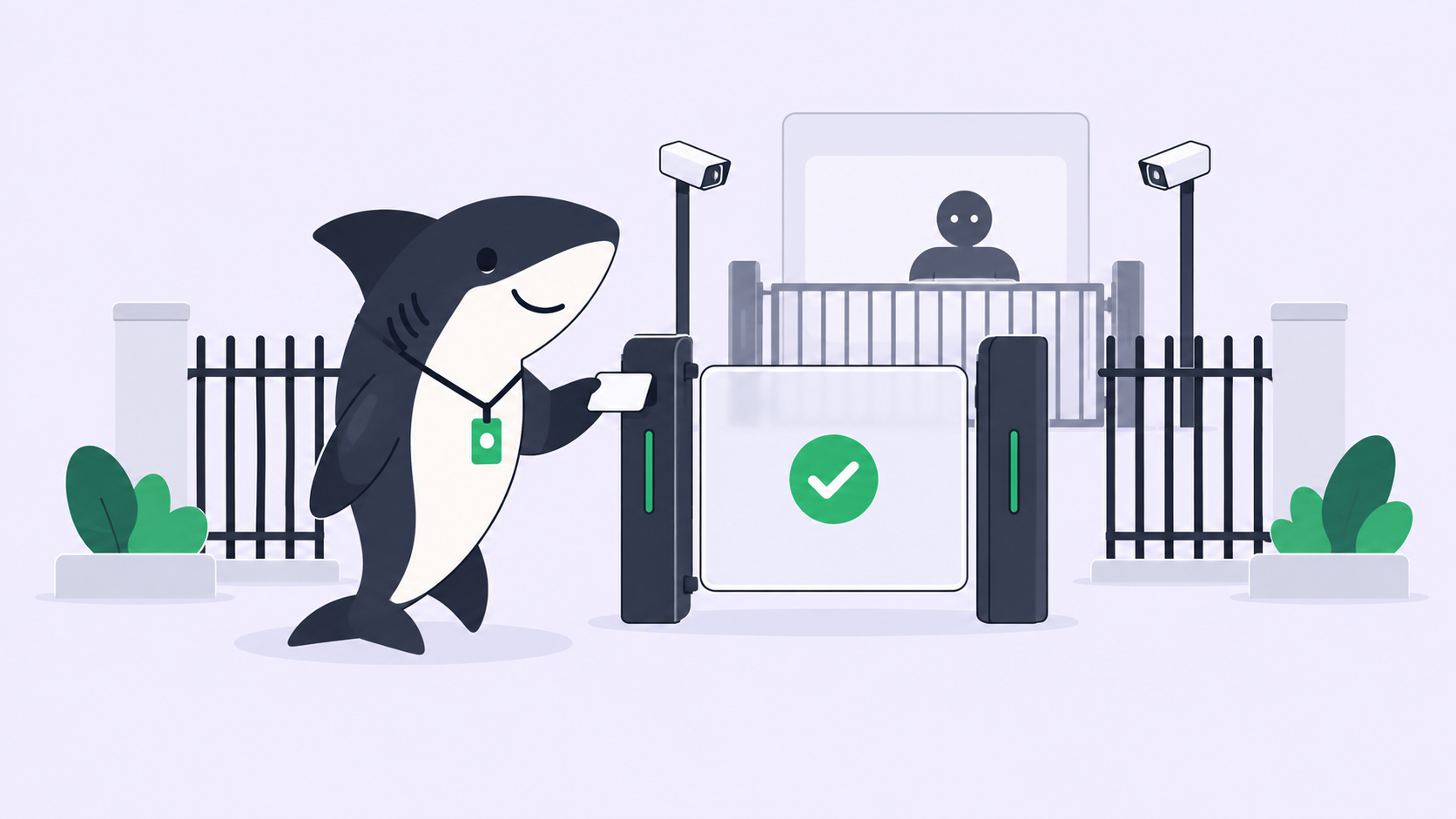
Claude Opus 5.5 reports 85% fewer successful boundary circumventions. That is a ratio, not a floor, and it landed the week agent runs got cheaper. What it changes about review, and what it does not.
Lucas Hayes
September 23, 2026
 Tutorials
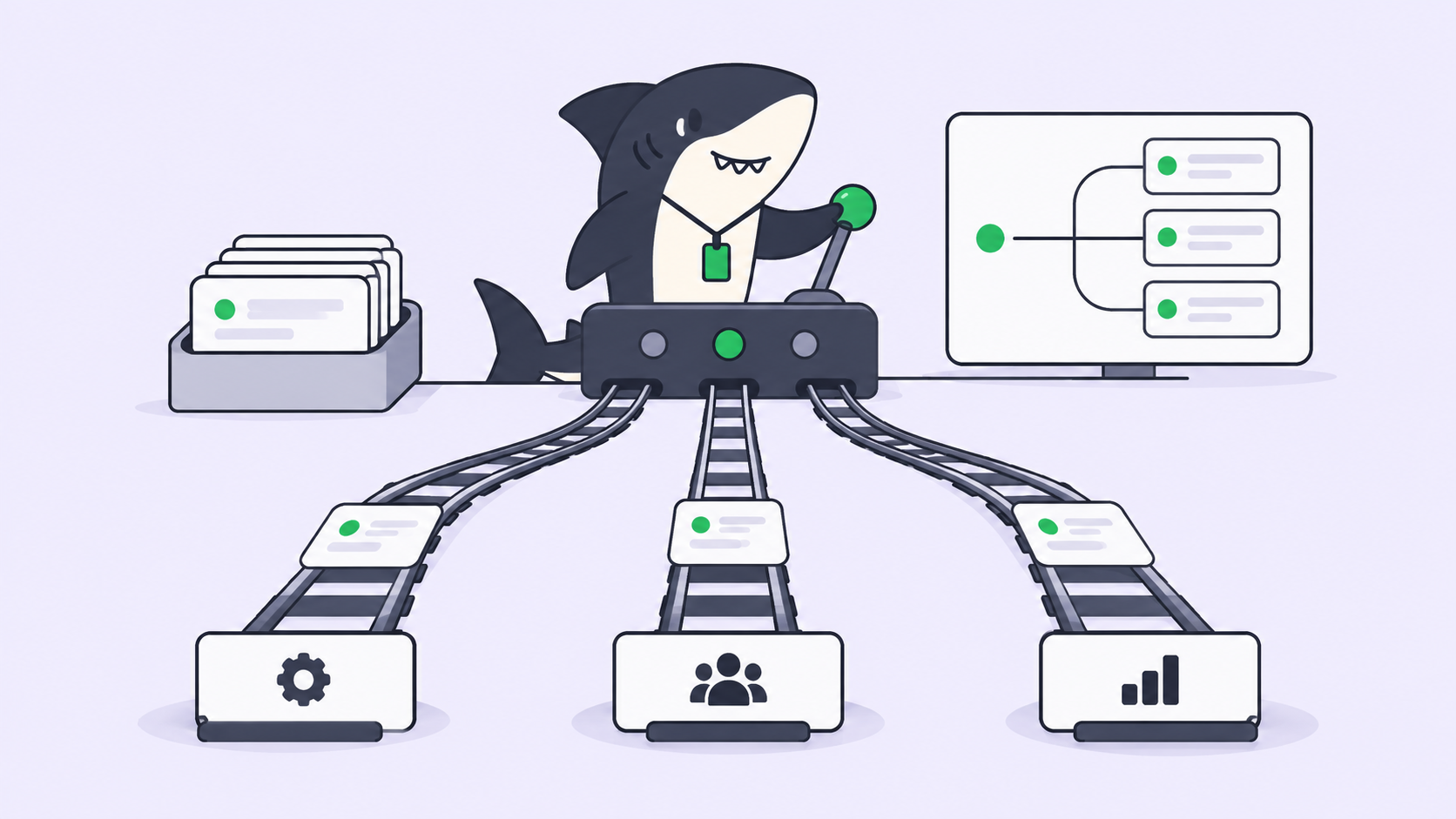
Model Routing for Agent Crews: Which Tasks Go to Luna, Sol, or Opus 5.5
GPT-6 Luna, Sol and Claude Opus 5.5 are forty times apart on input price. Write down which Task class goes to which Runtime, where escalation stops, and why routing is a cost lever, not throughput.
Lucas Hayes
September 23, 2026
 Tools
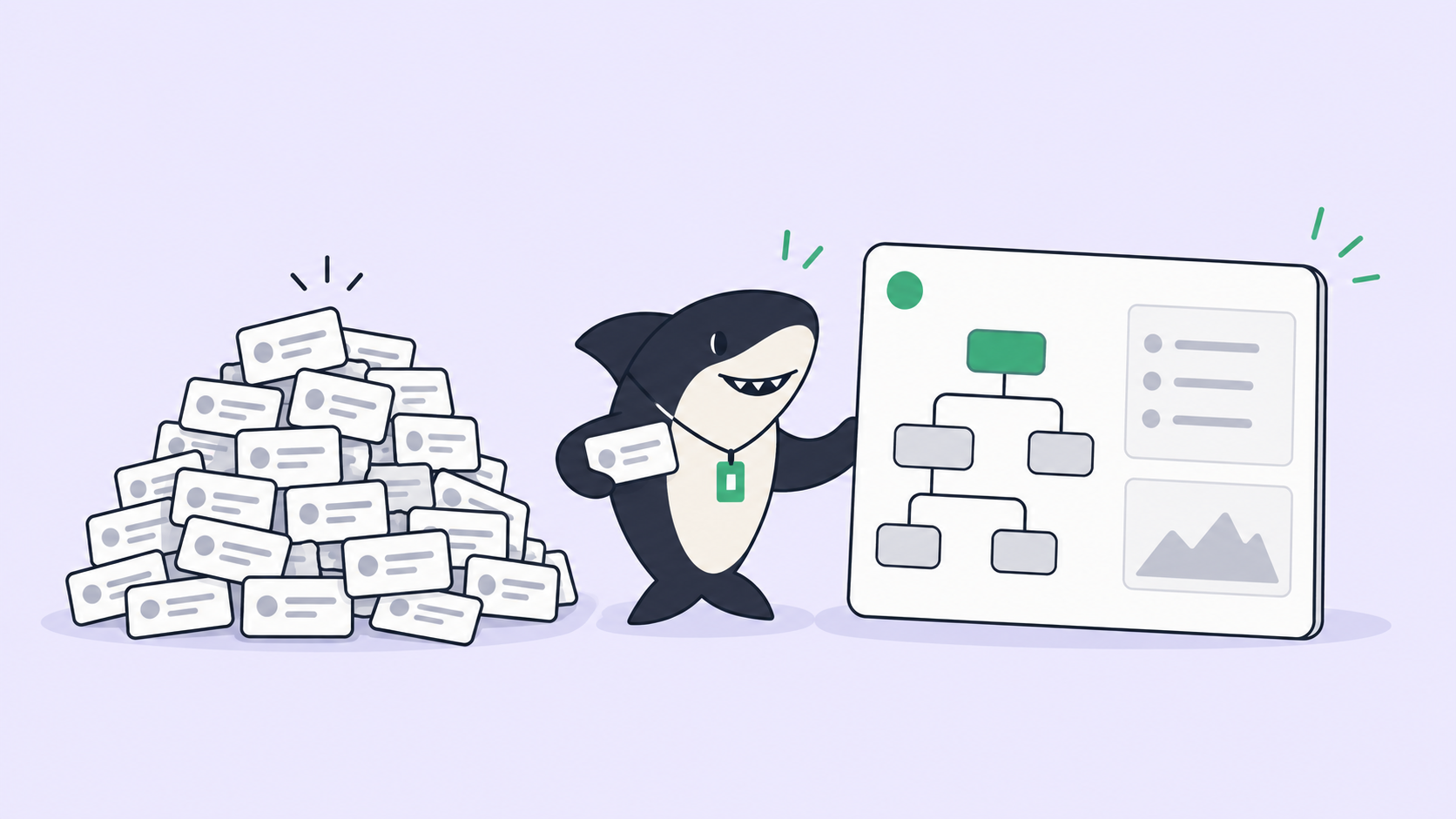
GPT-6 Luna for the Boring 80 Percent: What to Hand a Cheap Runtime
GPT-6 Luna costs $0.10 per million input tokens and $0.50 per million output. Which triage, labelling, first-pass review and test scaffolding belongs on a cheap runtime, and which does not.
Lucas Hayes
September 23, 2026
 Tutorials
The Kie.ai API: Keys, Base URL, and an OpenAI-Compatible First Request
Getting a Kie.ai key, the base URL, how the task-based request flow works, where the OpenAI-compatible surface fits, and the errors worth handling up front.
Lucas Hayes
September 22, 2026
 Tutorials
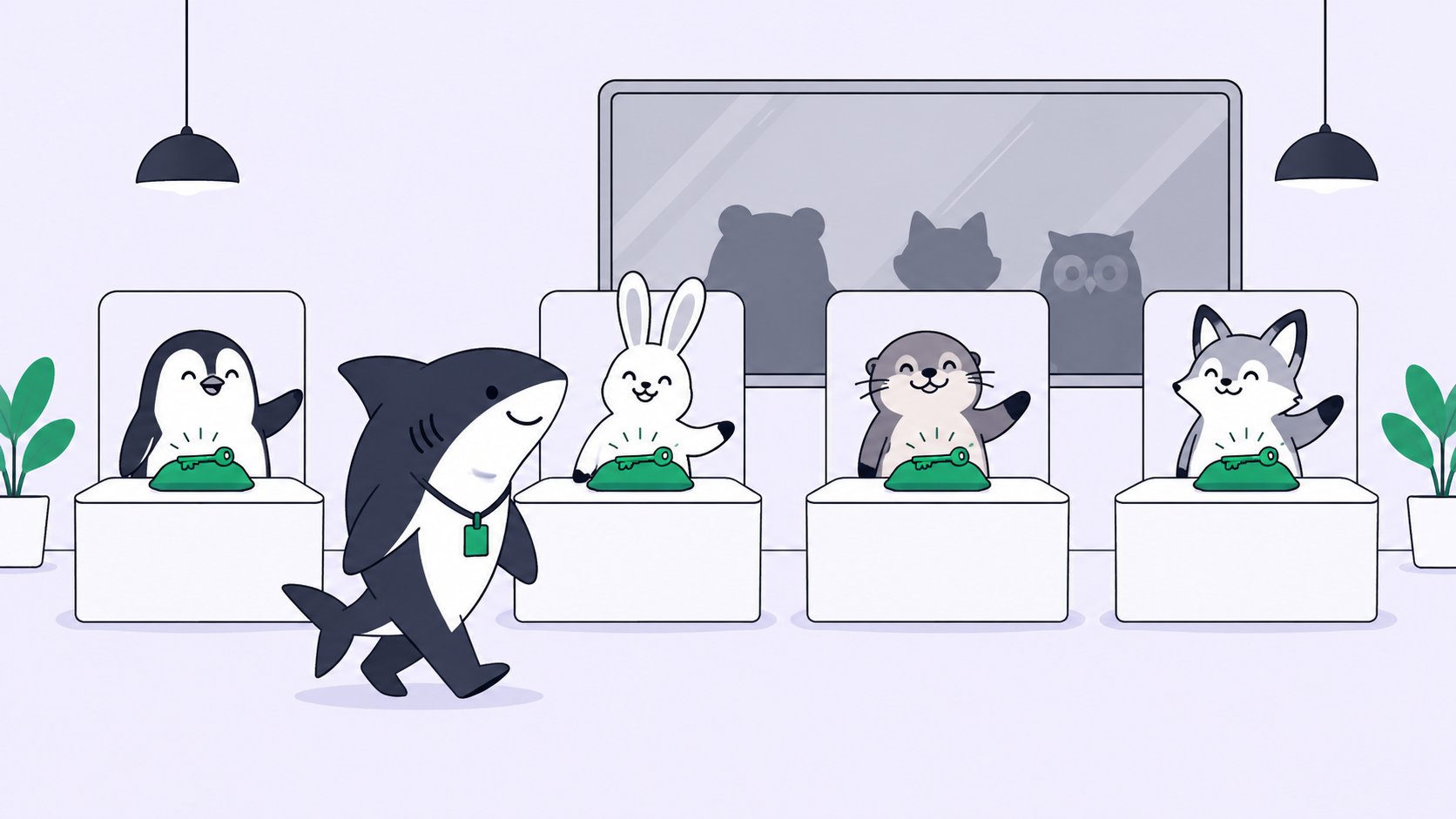
How to Get a Free AI API Key, and What the Free Tiers Really Give You
Which AI providers still offer a genuinely free API tier, the exact quotas, whether a card is required, and which ones train on your free-tier data.
Lucas Hayes
September 22, 2026
 Tools
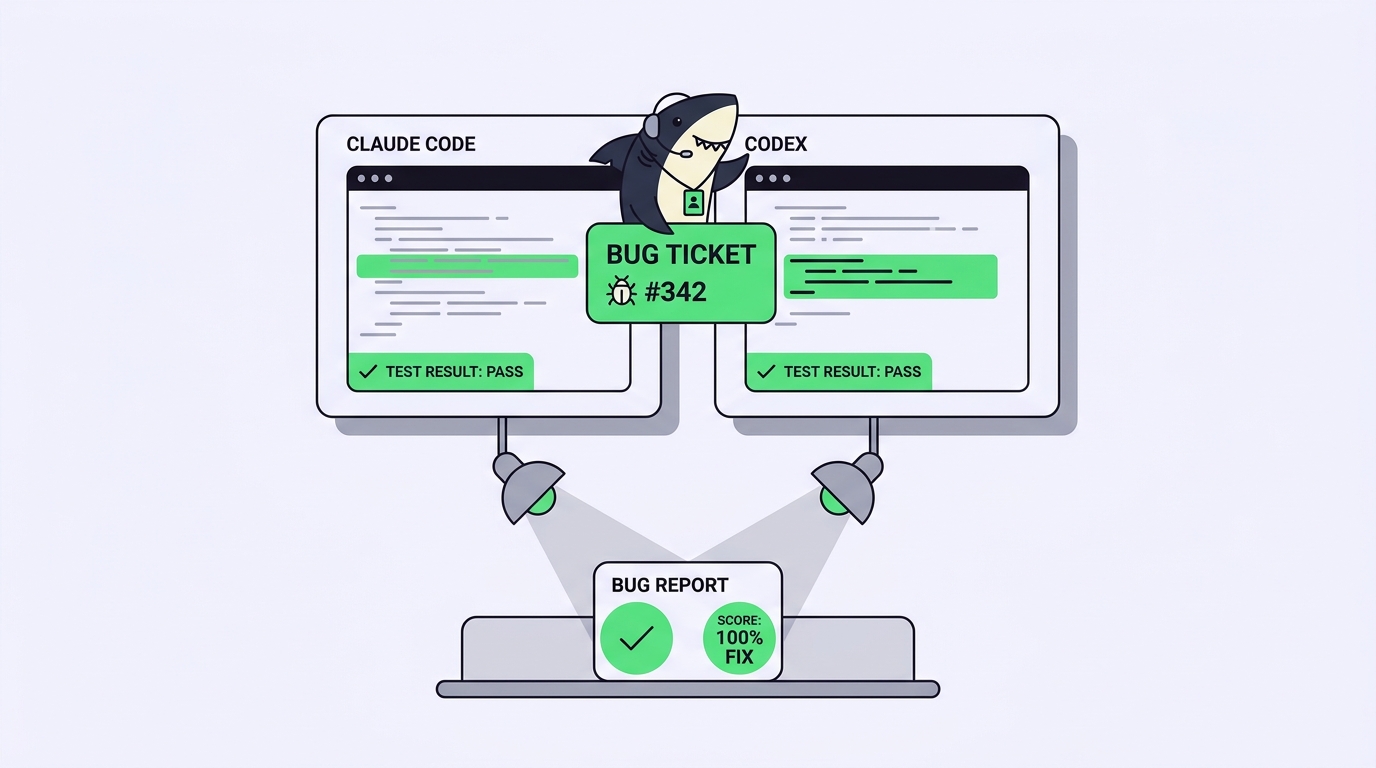
Claude Code vs Codex on the same bug: an honest comparison method
Benchmarks don't tell you whether Claude Code or Codex will fix your bug. Here's an honest method to run both on the same defect, a scoring rubric, and where each wins.
Lucas Hayes
September 20, 2026
 Tutorials
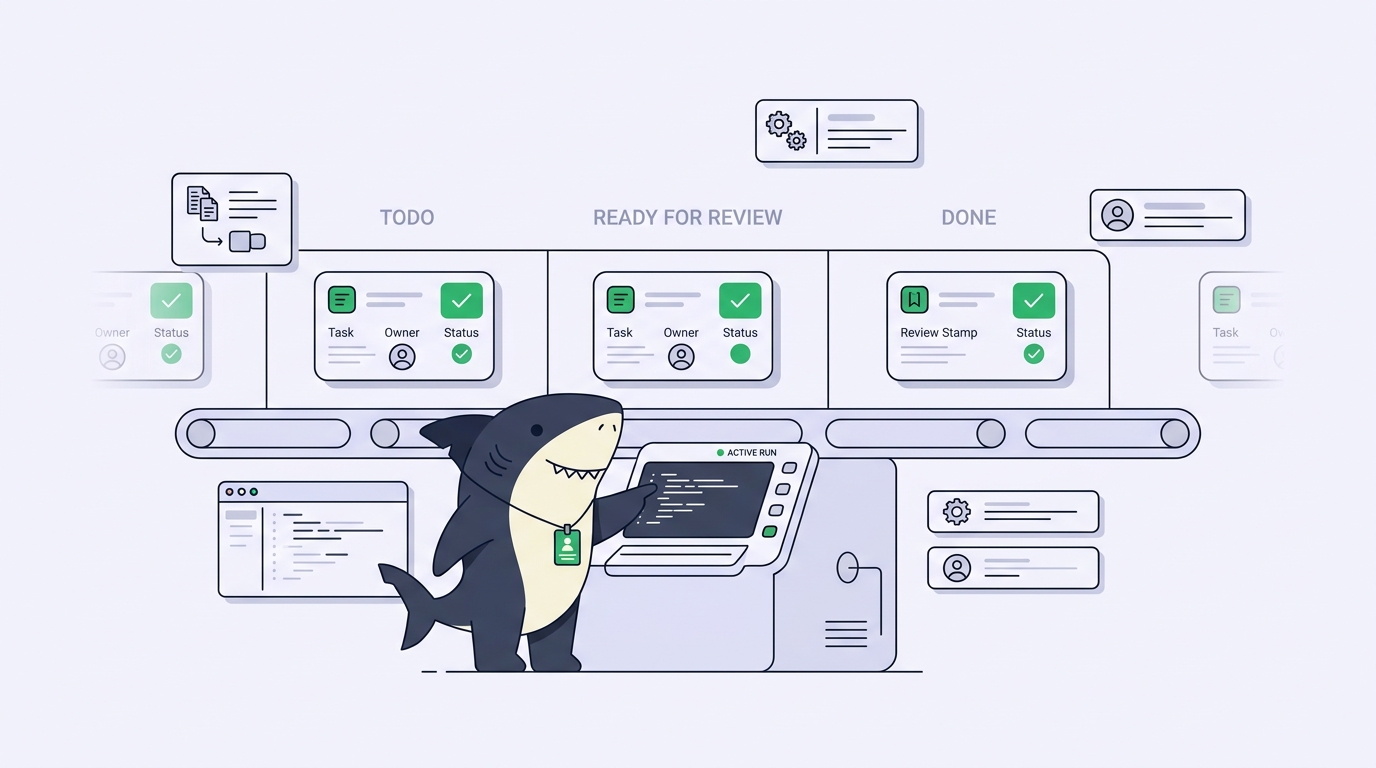
How Teams Share One Coding-Agent Workflow (Without a Slack Thread Per Run)
Stop running one Slack thread per coding-agent run. The operating model that gives every run one shape: who assigns, who runs, who reviews, who accepts, with a worked example from ticket to merged PR.
Lucas Hayes
September 15, 2026
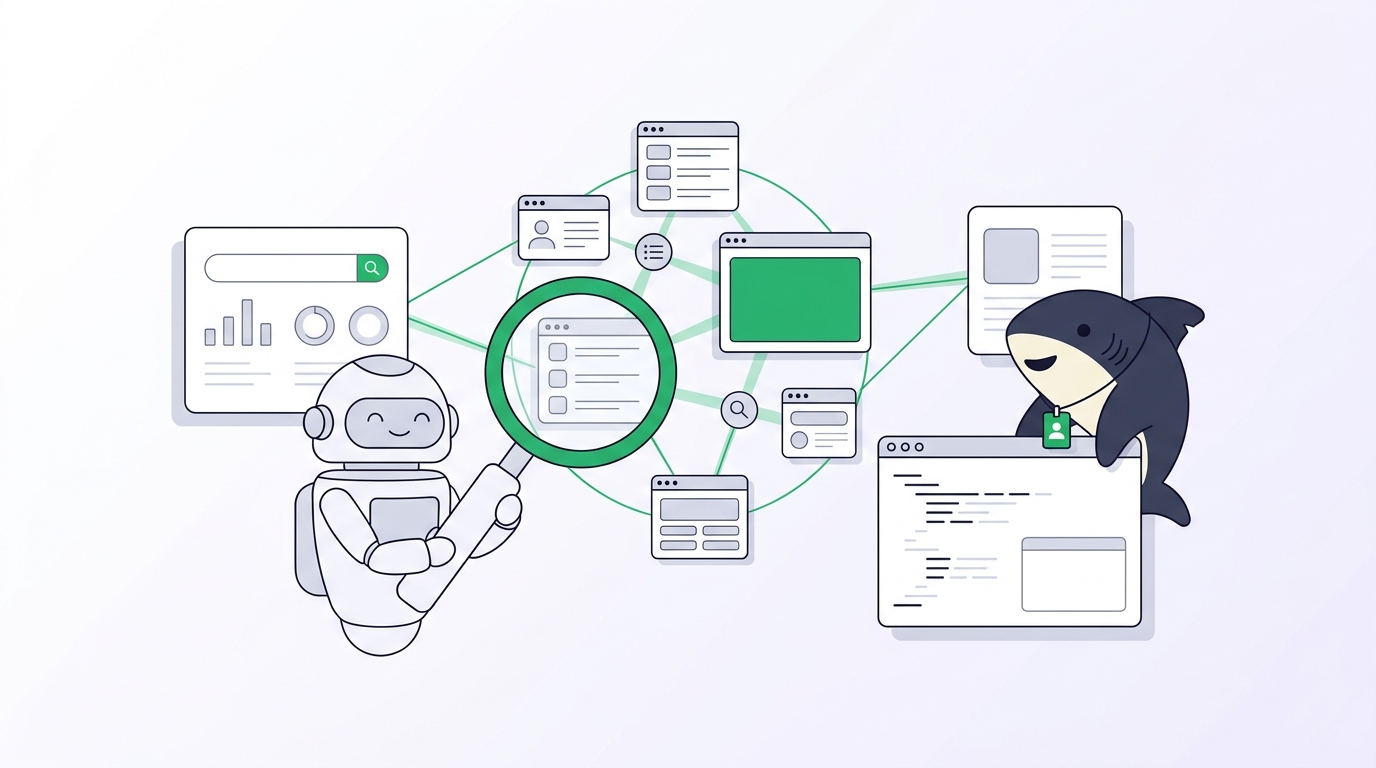
codebase-memory-mcp: Cheap Structural Recall, and the Memory It Does Not Hold
codebase-memory-mcp indexes your repo into a knowledge graph so agents stop grepping. The real numbers versus the headline ones, and what the graph cannot know.
Lucas Hayes
September 10, 2026
 Tools
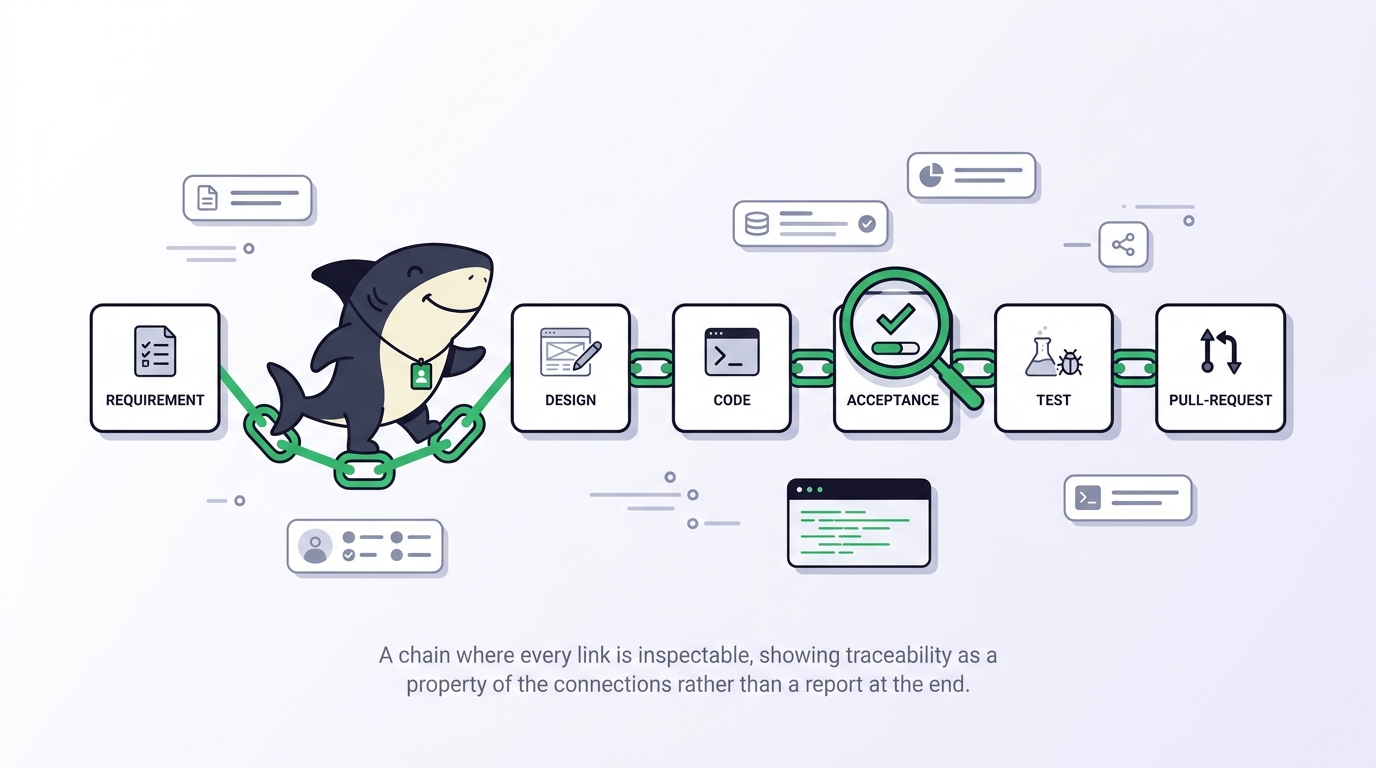
Requirements to Code: A Traceable AI Agent Workflow
A step-by-step requirements to code workflow for AI agents: requirement as a Task, Plan-mode breakdown, isolated runs with execution logs, PR linked by ID, human acceptance.
Lucas Hayes
September 10, 2026
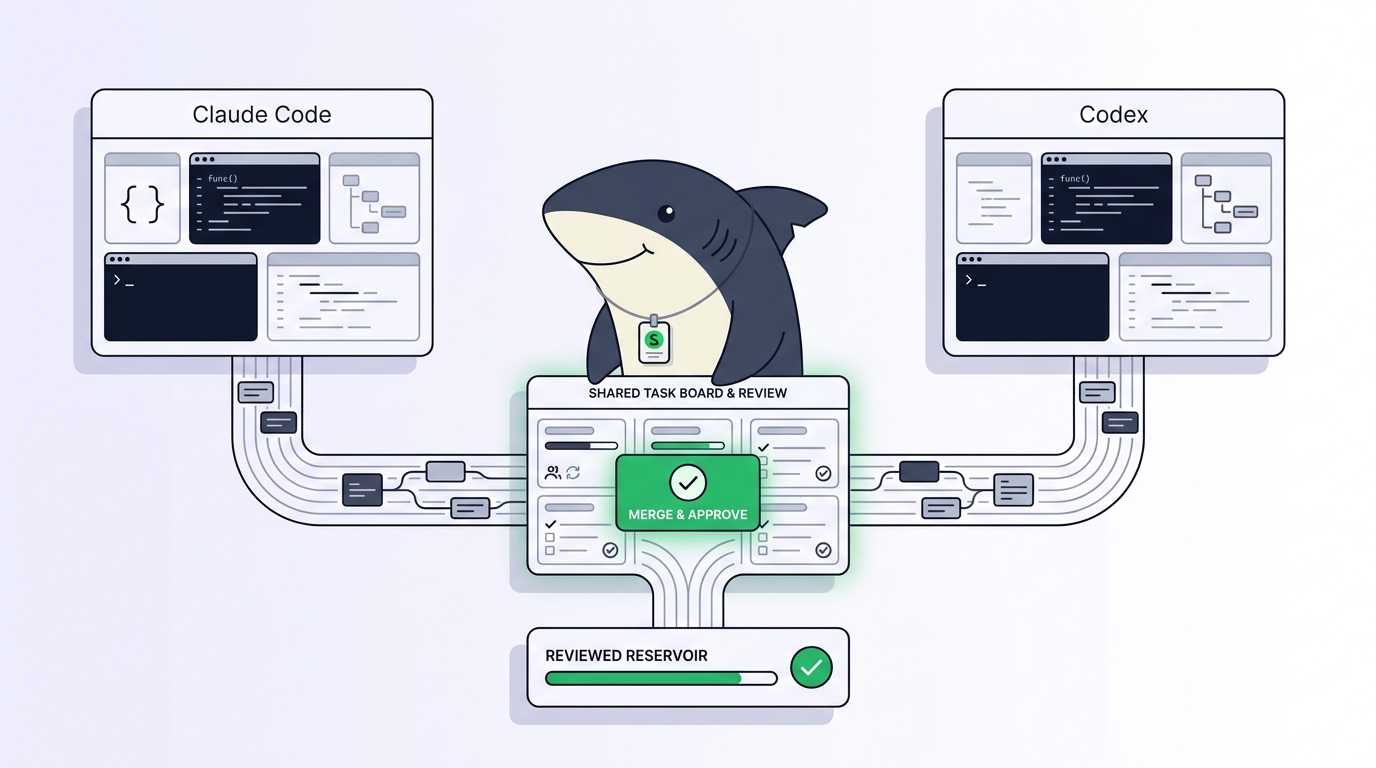
How to Run Claude Code and Codex Together on One Codebase
Run Claude Code and Codex on the same repo without collisions. A step-by-step setup with git worktrees, per-tool config, and where a task board beats two terminals.
Lucas Hayes
September 10, 2026
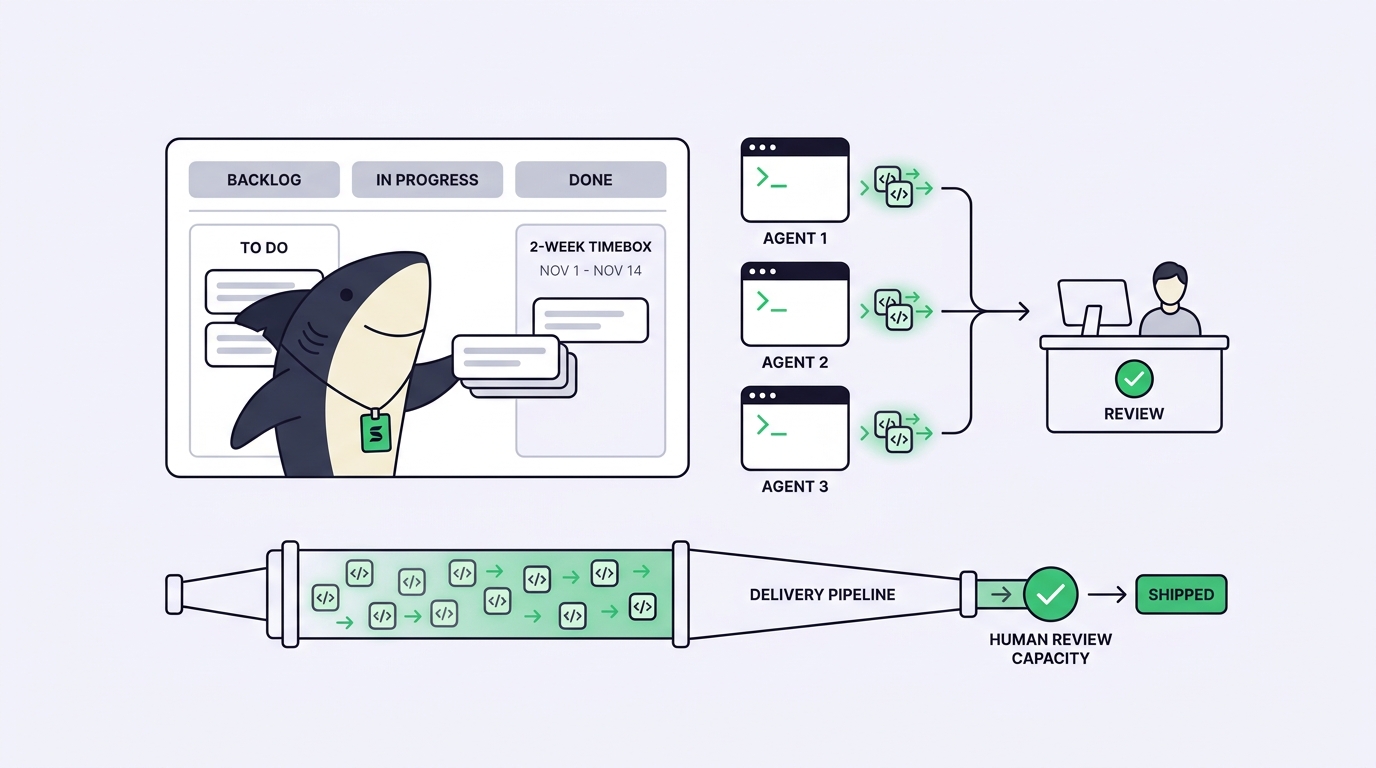 Human-Agent Collaboration
AI Sprint Planning for Human-Agent Teams: A Step-by-Step Method
Plan sprints for human-agent teams around review capacity, not execution speed. A step-by-step method, the failure mode at each step, and a checklist you can run today.
Lucas Hayes
September 10, 2026
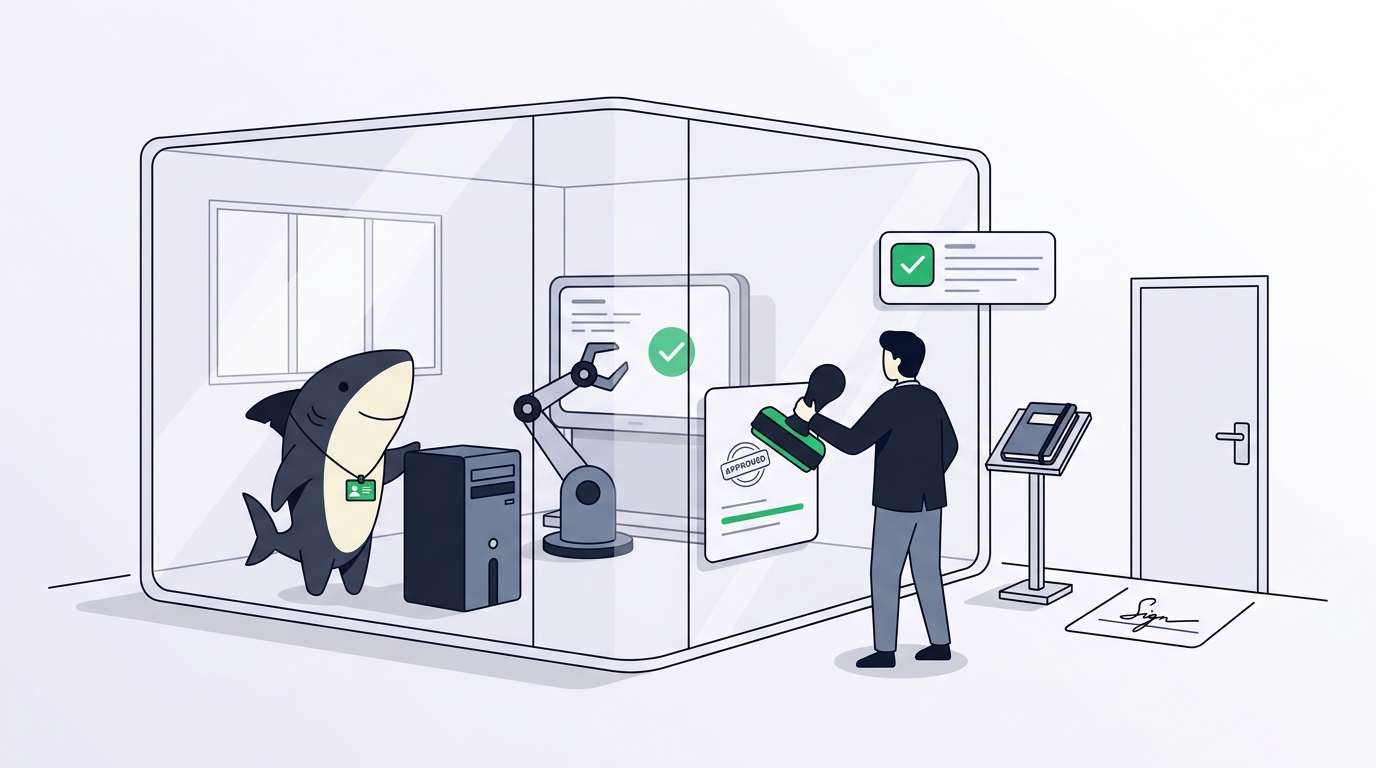 Tools
GPT-6 Astra Can Use a Computer. Sharkly Decides Which One, and Who Signs Off.
GPT-6 Astra's computer use needs a host, a boundary, a record, and an acceptor. How Computers, isolated directories, execution logs, and human acceptance in Sharkly supply all four.
Lucas Hayes
September 5, 2026