TL;DR: Stop hunting for the one best model. Match each model to the shape of the task in front of it: deep reasoning for architecture and cross-file refactors, fast and cheap for boilerplate and tests, long context for whole-repo questions, steady tool-following for multi-step edits. Picking per terminal works for one or two agents. Once you run several tasks across repos, that mapping belongs in a saved Agent, not in your head. Here is the map, a worked example, and a checklist you can run today.
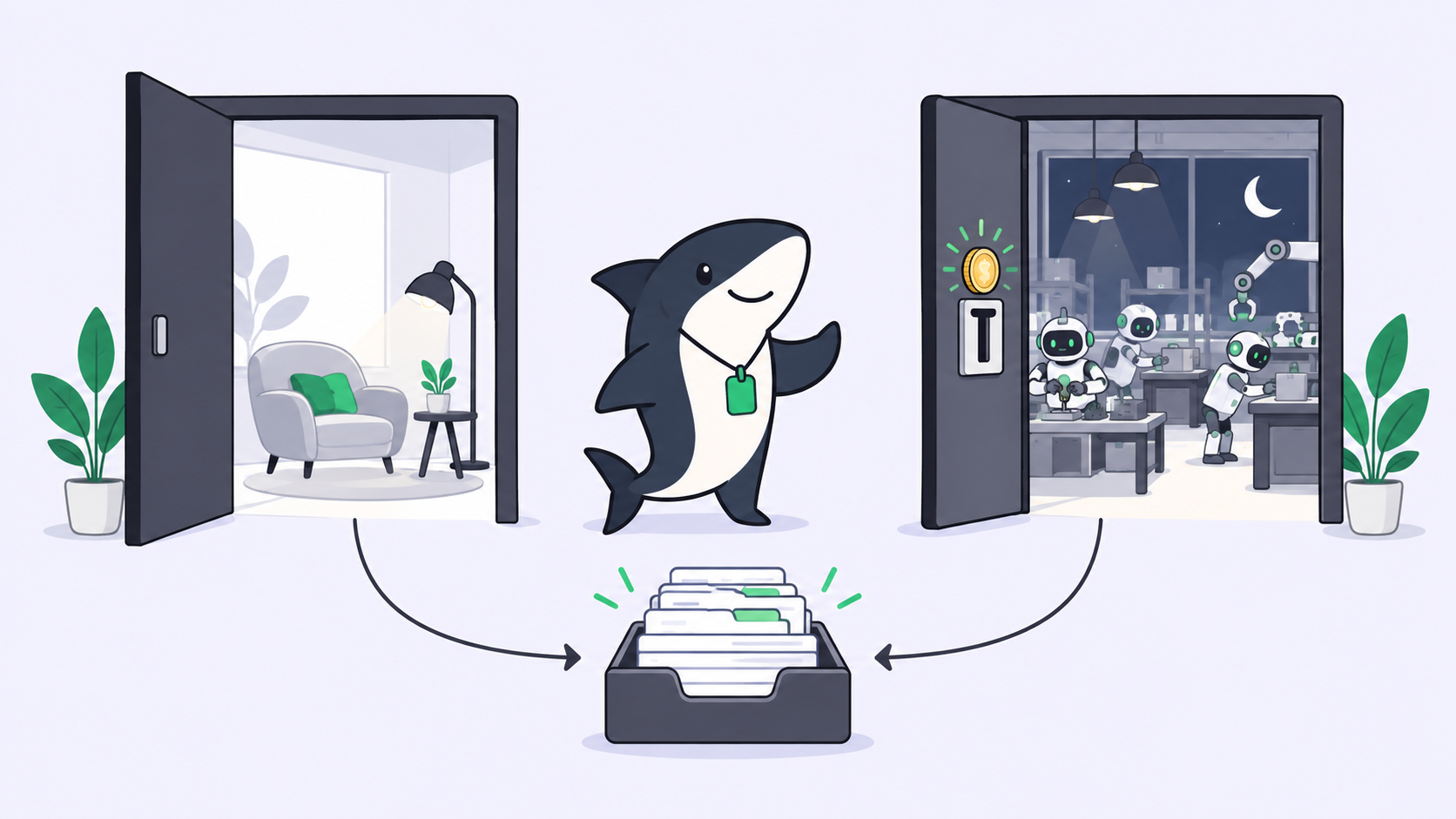
You have five terminals open. One holds a gnarly refactor, one needs a batch of unit tests, one is answering questions about a codebase you half remember, one is chasing a flaky integration test, one is renaming a symbol across forty files. Each one asks the same silent question: which model should run this? Point a heavyweight reasoning model at the rename and you burn tokens and minutes on work any fast model finishes clean. Point a fast model at the architecture change and it misses a dependency three files away. The recurring complaint is rarely “models are bad.” It is “I don’t know which one to use.”
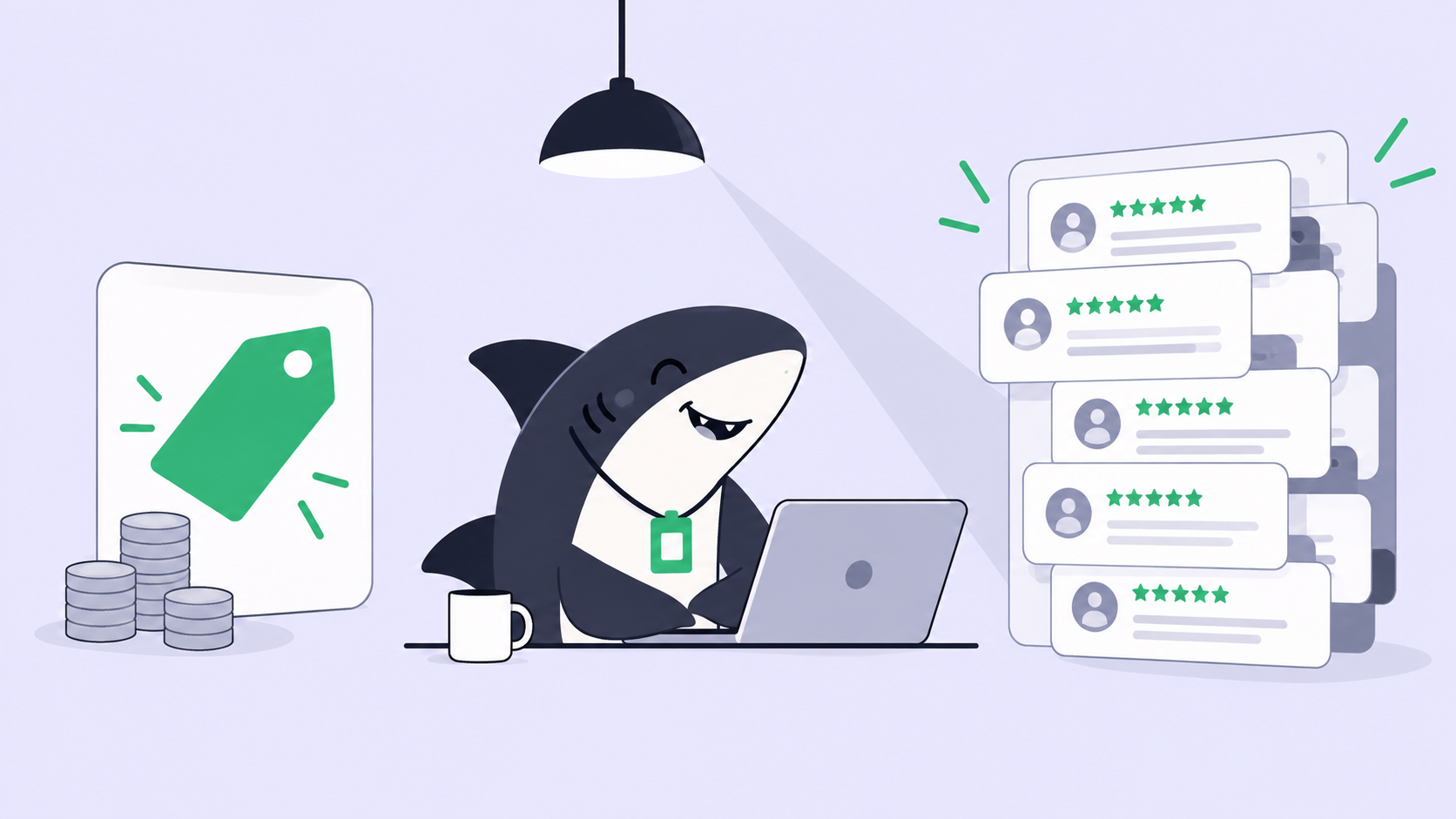
The fix is not a leaderboard. Rankings shift every few weeks, and the winner of a general benchmark is often the wrong pick for your specific task. The durable move is to match the model to the task’s shape: how much reasoning it needs, how much context it must hold, how reliably it has to follow tools, and how much you will spend per run. Those properties barely move even as the model names do.
This is where a task layer earns its place. Sharkly is an all-in-one Agent command and management platform. It sits above your coding agents, so “which model for which task” stops being a decision you re-make in every terminal. You save the decision once as an Agent, a reusable configuration of a role, a runtime, and its rules, then assign the Task to the Agent whose shape fits. You already have coding agents. Sharkly turns them into a team.
Match the model to the task’s shape, not the leaderboard
A model choice is really four questions, asked in order.
- Reasoning depth. Does the task need multi-step planning across files, or is it a local, mechanical change? Architecture, tricky refactors, and root-cause debugging reward a stronger reasoning model. Renames, formatting, and scaffolding do not.
- Context size. Does the model need to hold a whole repository, a long spec, or a giant log at once? Whole-codebase questions and large migrations reward a long-context model even if it reasons a shade less deeply.
- Tool-following reliability. Multi-step work (edit, run tests, read output, edit again) lives or dies on how consistently the model uses tools without wandering off-script. A model that reasons brilliantly but forgets to run the test is worse here than a steadier one.
- Speed and cost. High-volume, low-stakes work (tests, boilerplate, docstrings) should go to the fastest, cheapest model that clears the bar. Save the expensive reasoning for the tasks that turn on it.
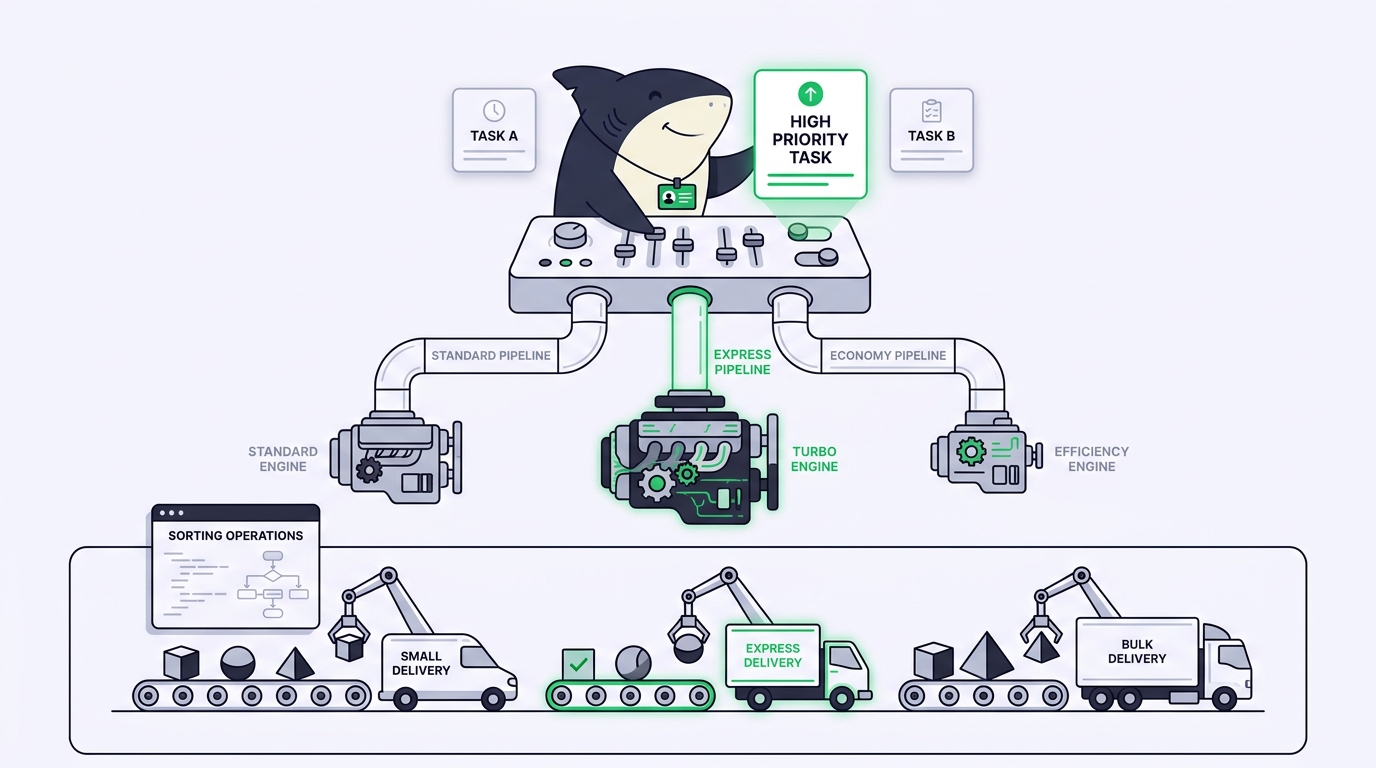
Use a heavyweight reasoning model when a wrong step costs you an afternoon of debugging. Use a fast, cheap model when the task is mechanical and easy to verify. Most days you need both, on different tasks, at once. That is why a single global model setting feels wrong: it forces one answer onto tasks that want different ones.
A rough map from task type to model role
The task names below outlive any specific model version. Read the vendor’s current model card before you pin a bucket to a name, then keep the bucket.
| Task in front of you | Optimize for | Model role |
|---|---|---|
| Architecture, cross-file refactor, design review | Reasoning depth | Heavyweight reasoner |
| Root-cause debugging, flaky test hunts | Reasoning + steady tools | Heavyweight reasoner |
| Whole-repo Q&A, large migration, long-spec work | Context size | Long-context model |
| Unit tests, boilerplate, docstrings, scaffolding | Speed and cost | Fast, cheap model |
| Mechanical rename, format, mass edit | Speed | Fast, cheap model |
| Multi-step agent loop (edit, test, repeat) | Tool-following reliability | Steady tool-user |
Two honest notes. First, “heavyweight” does not mean “always better.” On a rename, a deep reasoning model is slower, pricier, and no more correct than a fast one. Second, a runtime like Claude Code, Codex, or Gemini CLI carries its own default model, and the model usage continues through the subscriptions or API keys configured in the tool, so your real choices are the models your team already pays for, matched to these buckets. Public task benchmarks like SWE-bench tell you roughly which tier a model sits in, not which model your exact task needs.
Where picking a model per terminal stops scaling
For one or two agents, hand-picking is fine. You open a terminal, set the model, and you remember what is where because there are only two. The setup that works today is a person and a couple of tools.
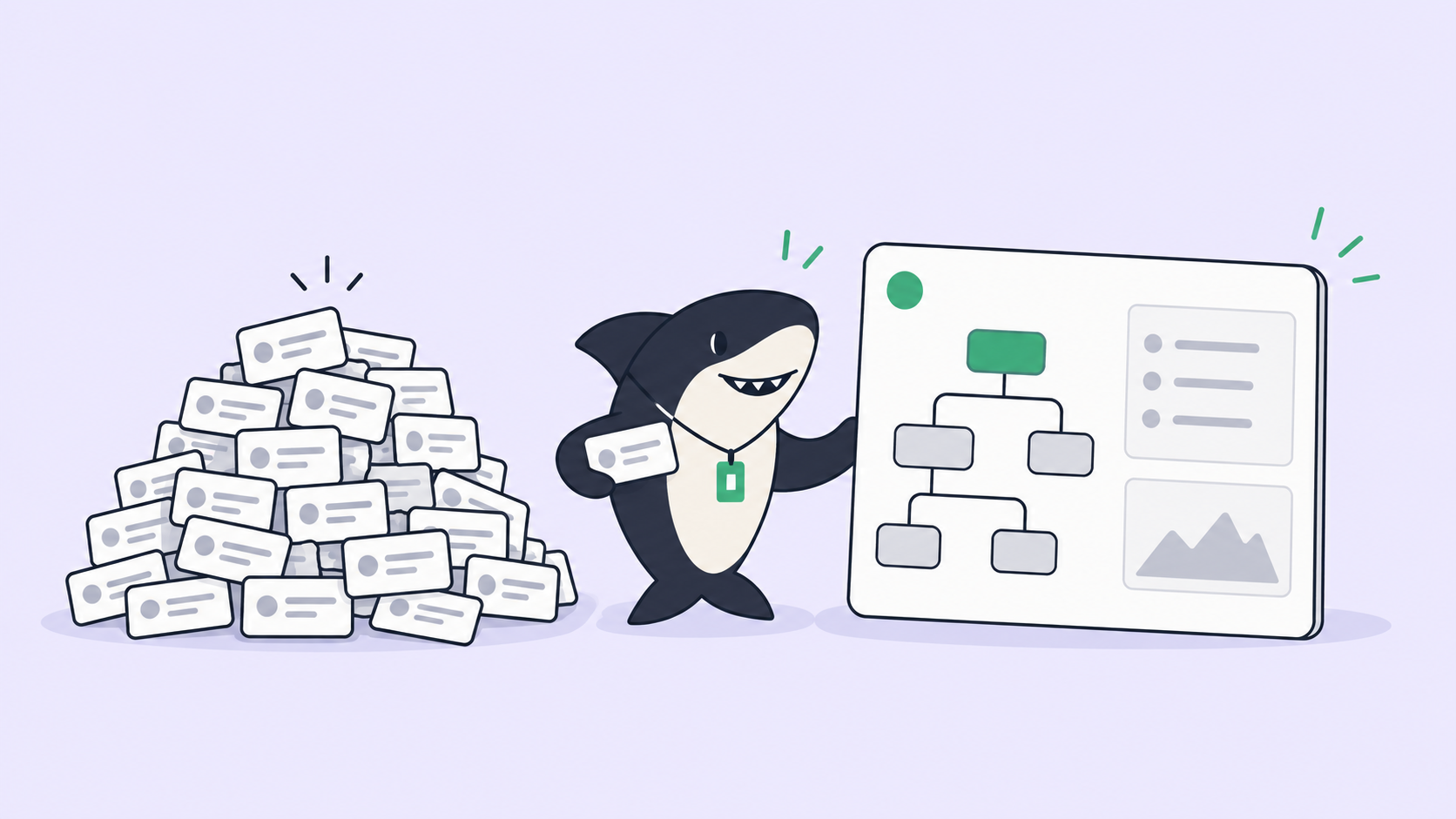
The trouble starts at volume. Run six tasks across three repositories and the model-to-task mapping now lives in your head: which terminal is the cheap one, which repo you set to the reasoner last Tuesday, why the migration is crawling (you left it on the fast model). When a teammate picks up your work, the mapping does not travel with the task; it stays in your memory, and results scatter across private terminals instead of returning anywhere shared.
An Agent is a saved configuration of how a kind of work should be handled: a role, a runtime and its model, and the rules that come with it. Instead of re-deciding the model per terminal, you build the Agent once (“Test Writer” on a fast model, “Refactorer” on a reasoner) and assign the Task to the Agent whose shape fits. The model choice becomes reusable, not a memory game. Agents research, execute, test, and report; people set direction and accept the result. Execution, blockers, and results return to the Task, so the reasoning behind each model choice is visible from request to release, not buried in a scrollback.
Sharkly is not a replacement for Claude Code, Codex, or the other execution tools. It adds the shared task, context, and review layer around the models your team already runs. If you only ever run one agent in one terminal, you do not need it. Once you are running several agents in parallel, the model-matching decision is exactly the thing worth saving.
A worked example: three tasks, three Agents
Say a sprint drops three tasks into the queue.
- SH-312: rename
UserSessiontoAuthSessionrepo-wide. Mechanical, easy to verify. Route it to a “Renamer” Agent on a fast, cheap model. It edits, runs the type checker, and returns a clean diff. Spending reasoner tokens here buys nothing. - SH-318: the checkout flow double-charges on retry. Root-cause debugging across services. Route it to a “Debugger” Agent on a heavyweight reasoner with steady tool use. It needs to plan, read logs, form a hypothesis, and test it. A fast model here guesses and wastes a review cycle.
- SH-324: answer “how does our billing reconcile with Stripe?” from the codebase. Whole-repo question. Route it to a “Codebase Analyst” Agent on a long-context model that can hold the relevant files at once.
Each Agent runs in its own isolated worktree, so three models work three tasks at once without stepping on each other. Each result returns to its Task with a change summary and evidence. You review three finished deliveries, not three terminals you have to reconstruct from memory. Automation stops where your judgment is required: you accept, request changes, or decide the merge.
The checklist you can run today
Run this before your next batch of agent work.
- [ ] For each task, name its shape first: reasoning-heavy, context-heavy, tool-loop-heavy, or high-volume-mechanical.
- [ ] Assign the cheapest model that clears the bar for that shape. Reserve the reasoner for tasks where a wrong step costs real time.
- [ ] Put long-context work on a long-context model, not on your favorite reasoner by habit.
- [ ] For multi-step loops, weight tool-following reliability over raw benchmark rank.
- [ ] Write the mapping down once as a reusable Agent per role, so you and your teammates stop re-deciding it per terminal.
- [ ] Keep a person on final acceptance. The model picks the path; you approve the result.
Match the model to the task, save the match as an Agent, and the question that started this (“which one do I use?”) only gets answered once per role instead of once per terminal.
If you want to keep using multiple coding agents rather than committing to one model for everything, that is the problem Sharkly is built around. You can hand-pick a model in every terminal, or manage the whole workflow in one place and let each result return to the Task.
FAQ
Should I just use the highest-ranked model for everything? No. The top general model is slower and more expensive than it needs to be on mechanical work, and no more correct there. Rank tells you which tier a model sits in; your task’s shape tells you which tier you need. Matching the two beats defaulting to the leaderboard winner.
How do I pick a model when I don’t know the task’s difficulty yet? Start cheap and escalate. Give the task to a fast model first. If it stalls, guesses, or fails review, that is your signal the task is reasoning-heavy, and you promote it to a stronger model. The human-in-the-loop review step is where you catch the mismatch before it ships.
Does Sharkly choose the model for me? Sharkly does not pick the model on its own. You bind a role to a runtime and its model when you build an Agent, then assign Tasks to the Agent whose shape fits the work. The choice stays yours; Sharkly makes it reusable and keeps every run’s result on the Task instead of in a private terminal.